8% OFF
Shop Filters products from multiple suppliers.




In the world of photography, filters are an essential accessory that can enhance your images in a variety of ways. Whether you're looking to protect your lens or add creative effects to your photos, there is a filter for every need and budget. In this blog post, we will explore some of the most popular types of camera filters available on the market today.
1. UV Filters: These are one of the most common types of filters used by photographers. They protect your lens from dust, scratches, and other environmental factors that can damage your equipment. Additionally, they help to reduce glare and haze in outdoor shots, resulting in clearer images.
2. Polarizing Filters: These filters are designed to eliminate glare and reflections from non-metallic surfaces such as water or glass. They work by rotating the polarization of light entering your lens, which helps to reduce glare and bring out more vibrant colors in your images.
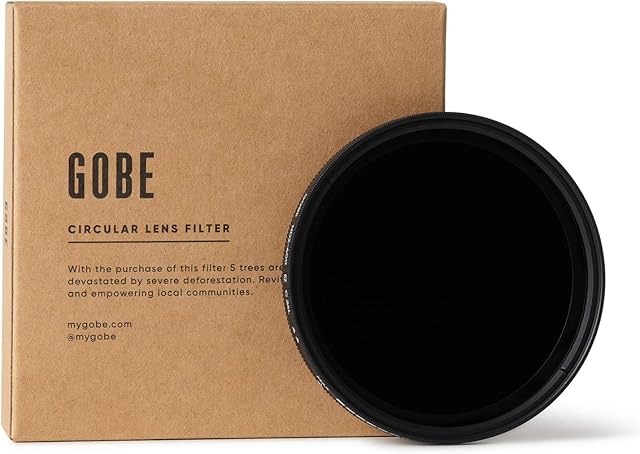
3. Neutral Density Filters: These filters are used to control the amount of light entering your camera, allowing you to shoot in bright conditions without overexposure. They work by reducing the amount of light that passes through your lens without affecting color balance or contrast.
4. Graduated Neutral Density Filters: These filters are designed to darken only a portion of your image, typically at the top where the sky would be. This is useful for balancing out bright skies with darker foregrounds in landscape shots.
5. Circular Polarizing Filters: Similar to linear polarizing filters, these work by reducing glare and reflections. However, they also have a unique ability to enhance colors and increase saturation in your images. They are particularly useful when shooting outdoors on sunny days.
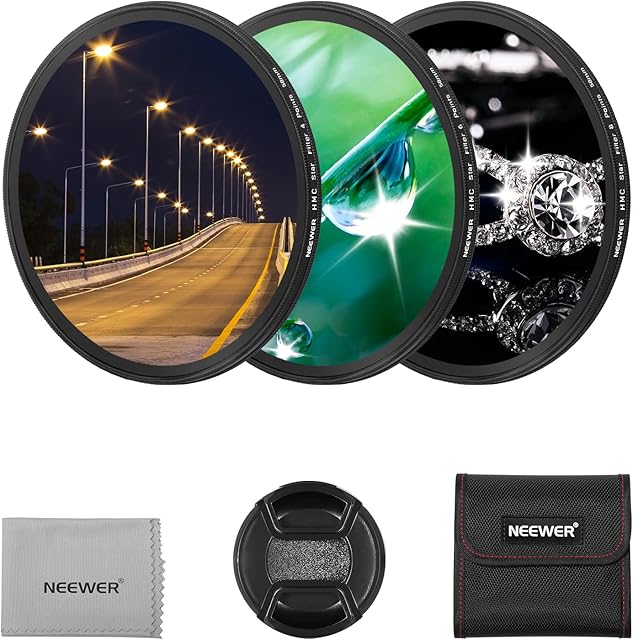
6. Star Filter: These specialized filters are designed for astrophotography enthusiasts who want to capture the beauty of the night sky without any light pollution interference. They work by blocking out specific wavelengths of light that cause artificial lights to appear in your images, resulting in stunning shots of stars and galaxies.
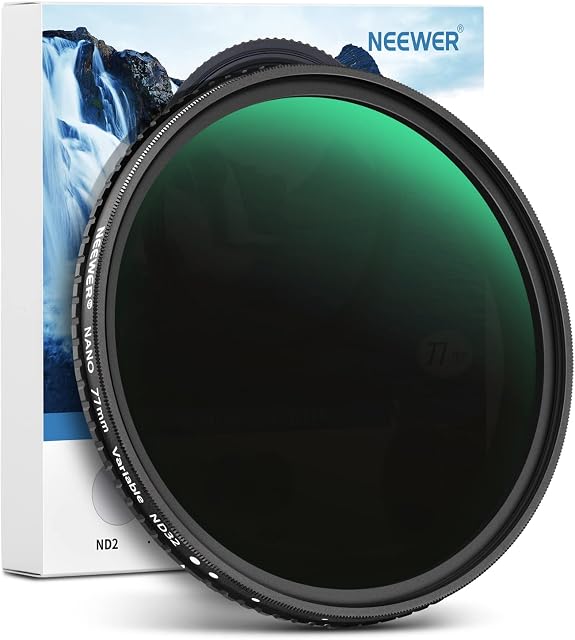
7. Variable ND Filters: These filters allow you to adjust the amount of light entering your camera on the fly. This is useful for shooting fast-moving subjects or when working with changing light conditions. They typically come in a range of densities, allowing you to dial in the perfect level of exposure.
In conclusion, there are many different types of filters available that can help enhance your photography experience. Whether you're looking for protection, creative effects or specific shooting situations, there is sure to be a filter that fits your needs and budget. So go ahead and experiment with the various options out there - you never know what kind of amazing images you might capture!
More listings from Filters by experienced suppliers.