
17% OFF
Shop Parallel Cables products from multiple suppliers.

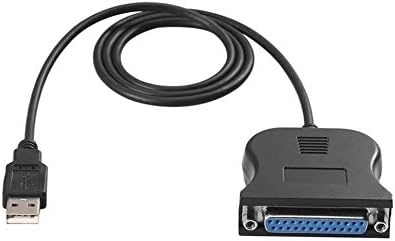
![Sabrent USB 2.0 to DB25 IEEE-1284 Parallel Printer Cable Adapter [THUMBSCREWS Connectors] (CB-DB25)](https://m.media-amazon.com/images/I/71yi0uZiWIL._AC_SL640_.jpg)
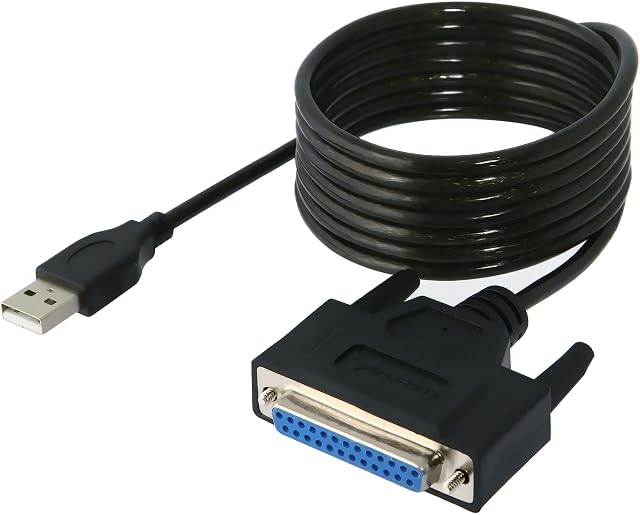
![Sabrent USB 2.0 to DB25 IEEE-1284 Parallel Printer Cable Adapter [HEXNUT Connectors] (CB-1284)](https://m.media-amazon.com/images/I/71gtVS7XECL._AC_SL640_.jpg)



Parallel Cables: Connecting Your Devices with Ease
In the world of technology, cables play a crucial role in connecting various devices and enabling seamless communication. One such type of cable that has been widely used for decades is the parallel cable. In this blog post, we will delve into the world of parallel cables, their uses, and some popular examples in the market.
What are Parallel Cables?
Parallel cables are a type of data transfer cable that allows for the simultaneous transmission of multiple bits of data. They are typically used to connect computers to external devices such as printers, scanners, and storage devices. Unlike serial cables that transmit data one bit at a time, parallel cables transmit data in parallel, meaning that multiple bits are sent simultaneously.
Uses of Parallel Cables
Parallel cables have been extensively used in the past for various purposes. One of the most common applications was connecting printers to computers. In the earlier days of computing, printers relied on parallel connections to receive print commands and transmit data. Parallel cables allowed for faster data transfer rates, making them ideal for printing large documents.
Apart from printers, parallel cables were also used to connect other peripheral devices such as scanners, external hard drives, and even some older digital cameras. They provided a reliable and efficient method of data transfer between the computer and these devices.
Popular Parallel Cable Examples
Now that we understand the importance of parallel cables let's take a look at some popular examples available in the market today:
1. Usb To Printer Db25 25-Pin Parallel Port Cable Adapter - Black Bi-directional Parallel Interface Communication USB to 25 Pin DB25 Parallel Printer Cable Adapter Cord Converter: This cable adapter allows you to connect a printer with a parallel port to a computer with a USB port. It supports bi-directional parallel communication, making it compatible with a wide range of printers.
2. World of Data USB to Parallel Adapter Cable - Premium Quality / IEEE1284 / Centronics/Plug & Play/Bi-Directional: This high-quality adapter cable provides a seamless connection between your computer and peripheral devices with parallel ports. It supports plug and play functionality, making it easy to set up and use.
3. LINDY USB to 25 Way Parallel Adapter Cable 1.5m: This adapter cable offers a convenient way to connect your computer to a parallel printer or other parallel devices. With a length of 1.5 meters, it provides flexibility in device placement.
4. Sabrent USB to Parallel IEEE 1284 Printer Cable Adapter (CB-CN36): This printer cable adapter allows you to connect a printer with a parallel port to a computer's USB port. It supports IEEE 1284 specifications, ensuring fast and reliable data transfer.
5. Sabrent USB 2.0 to DB25 IEEE-1284 Parallel Printer Cable Adapter [HEXNUT Connectors] (CB-1284): This adapter cable is designed to connect a parallel printer to a computer's USB port. It features HEXNUT connectors, providing a secure and stable connection.
6. COVVY USB 2.0 to DB25 IEEE-1284 Parallel Printer Cable Adapter 0.8 Meter: This adapter cable offers a compact and efficient solution for connecting parallel printers to USB-enabled computers. With a length of 0.8 meters, it is suitable for various setup configurations.
7. Sabrent USB 2.0 to DB25 IEEE-1284 Parallel Printer Cable Adapter [THUMBSCREWS Connectors] (CB-DB25): This adapter cable features THUMBSCREWS connectors, ensuring a secure connection between your computer and parallel printer. It provides high-speed data transfer and is compatible with various operating systems.
Parallel cables have been an integral part of the technology landscape for many years. They have provided a reliable and efficient method of connecting computers to peripheral devices such as printers, scanners, and storage devices. With advancements in technology, the use of parallel cables might be less prevalent today. However, they still hold their place in certain industries and can be a valuable addition to your setup.
If you find yourself in need of connecting a parallel device to your computer, consider exploring the various parallel cable options available in the market. Whether you need a simple adapter or a longer cable for flexible placement, there is a parallel cable out there to suit your needs.