7% OFF
Shop Computer Cases products from multiple suppliers.


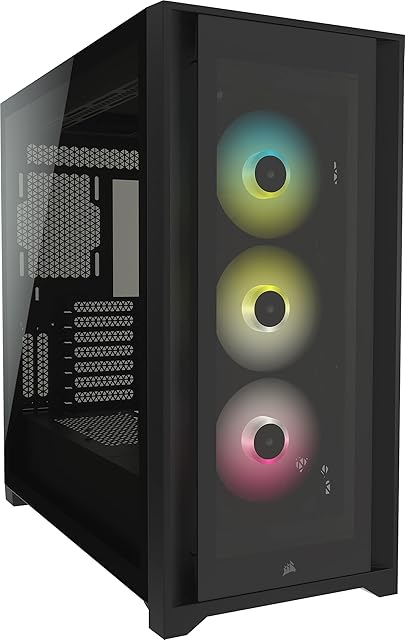

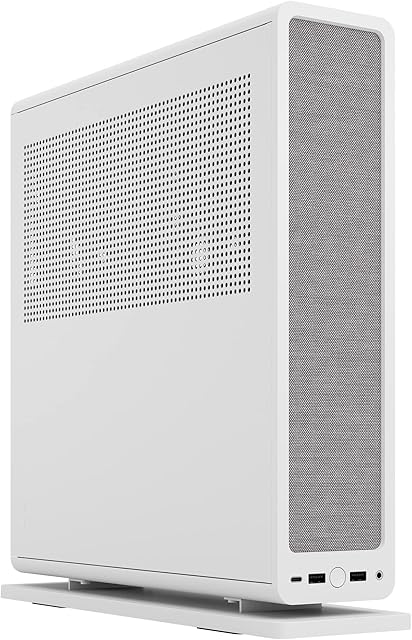


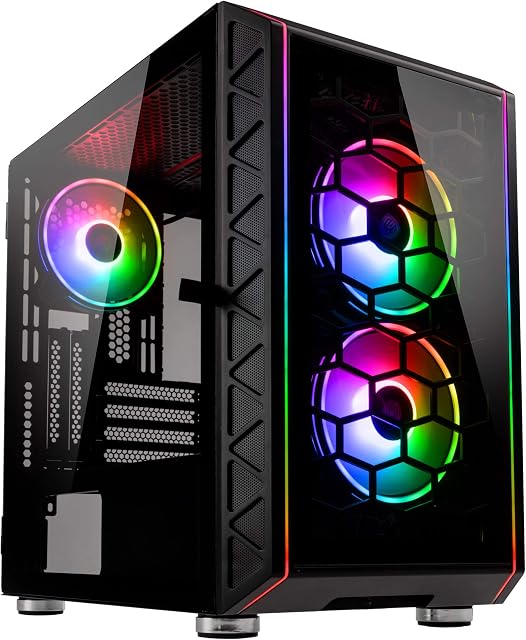
When it comes to building a gaming computer, choosing the right case is crucial. Not only does your choice affect how you interact with your system but also affects its overall performance and aesthetics. In this blog post, we will discuss some factors that should be considered when selecting a case for your gaming PC. We'll cover different types of cases such as ATX mid-tower, compact micro-ATX, and more.
Types of Cases:
There are several types of computer cases available in the market today. Here is an overview of each type:
1. ATX Mid Tower Case - This case has a larger footprint compared to other sizes but offers ample space for components such as graphics cards, power supplies, and hard drives. It also provides better cooling options due to its large surface area. The downside of this size is that it may not be suitable if you plan on using multiple high-end GPUs or VR headsets in the future.
2. Compact Micro ATX Case - This case has a smaller footprint compared to mid towers but still offers ample space for components such as graphics cards, power supplies, and hard drives. It also provides better cooling options due to its compact size. The downside of this type is that it may not be suitable if you plan on using multiple high-end GPUs or VR headsets in the future.
3. Mini ITX Case - This case has a smaller footprint compared to ATX cases but still offers ample space for components such as graphics cards, power supplies, and hard drives. It also provides better cooling options due to its compact size. The downside of this type is that it may not be suitable if you plan on using multiple high-end GPUs or VR headsets in the future.
4. Tower Case - This case has a larger footprint compared to other sizes but offers ample space for components such as graphics cards, power supplies, and hard drives. It also provides better cooling options due to its large surface area. The downside of this size is that it may not be suitable if you plan on using multiple high-end GPUs or VR headsets in the future.
5. Mid Tower Case - This case has a larger footprint compared to tower cases but still offers ample space for components such as graphics cards, power supplies, and hard drives. It also provides better cooling options due to its large surface area. The downside of this size is that it may not be suitable if you plan on using multiple high-end GPUs or VR headsets in the future.
6. Desktop Computer Case - This case has a larger footprint compared to tower cases but still offers ample space for components such as graphics cards, power supplies, and hard drives. It also provides better cooling options due to its large surface area. The downside of this type is that it may not be suitable if you plan on using multiple high-end GPUs or VR headsets in the future.
7. Gaming PC Case - This case has a larger footprint compared to desktop cases but still offers ample space for components such as graphics cards, power supplies, and hard drives. It also provides better cooling options due to its large surface area. The downside of this type is that it may not be suitable if you plan on using multiple high-end GPUs or VR headsets in the future.
8. Portable Case - This case has a smaller footprint compared to desktop cases but still offers ample space for components such as graphics cards, power supplies, and hard drives. It also provides better cooling options due to its compact size. The downside of this type is that it may not be suitable if you plan on using multiple high-end GPUs or VR headsets in the future.
9. Budget Case - This case has a smaller footprint compared to other types but still offers ample space for components such
More listings from Computer Cases by experienced suppliers.