40% OFF
Shop Litter & Housetraining products from multiple suppliers.

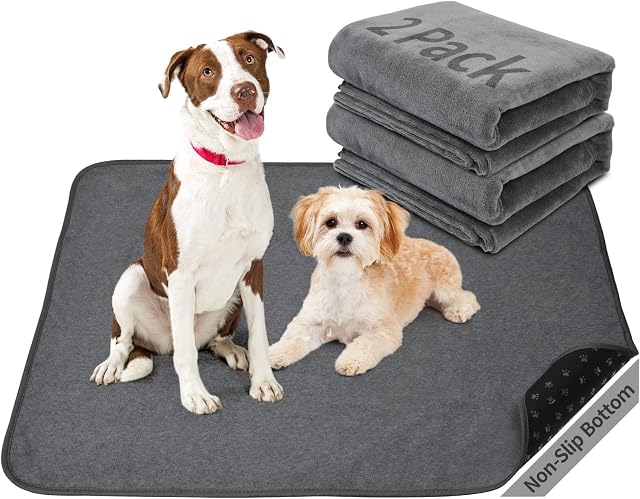


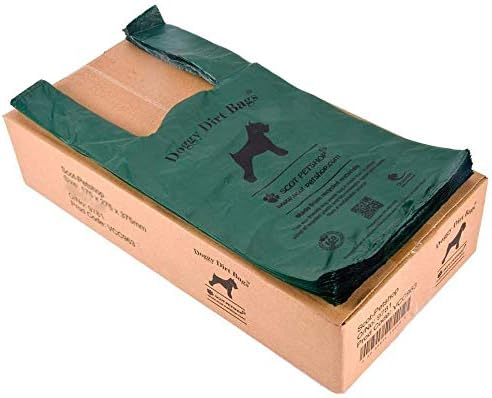


Pet litter training is an essential part of keeping your pet healthy and happy. It involves teaching them to use the right type of material for their waste, as well as providing a safe space where they can go potty without causing damage or messes around other areas of your home. In this blog post, we will discuss some tips on how you can properly train your pets using litter training mats and pads.
1. Choose the Right Litter Training Mat: When choosing a litter mat for your pet, make sure it is large enough to accommodate their waste while also being comfortable for them to use in different areas of your home. Look for one that has adjustable straps or handles so you can adjust its size as needed. Additionally, choose a material that will not absorb odors and smells from the urine, such as polyester or nylon.
2. Use Litter Training Mats Correctly: When using litter training mats in different areas of your home, make sure to use them correctly by placing them on surfaces where pets can safely go potty without causing damage. For example, if you have a small dog that likes to chew and dig around the house, choose an area with low-traffic or carpeted floors so they don't accidentally step in their waste while playing.
3. Keep Your Litter Training Mats Clean: Regularly cleaning your litter training mats can help prevent odors from building up over time. Use a damp cloth to wipe them down and avoid using harsh chemicals that could damage the material. Additionally, consider investing in reusable bags or containers for storing used litter mats so you don't have to worry about disposing of them properly every day.
4. Provide Accessible Litter Training Areas: Make sure your pet has access to a safe space where they can go potty without causing messes around other areas of the house. Consider using an elevated area in their room, such as a shelf or table with a low-traffic surface underneath it. Additionally, consider providing them with multiple litter training mats so you don't have to worry about cleaning up after every use.
5. Monitor Your Pet's Progress: Regularly monitoring your pet's progress and adjusting the size of their mat accordingly can help ensure they are using the right type of material for their waste while also being comfortable in different areas of your home. Additionally, consider providing them with a variety of litter training mats to keep things interesting!
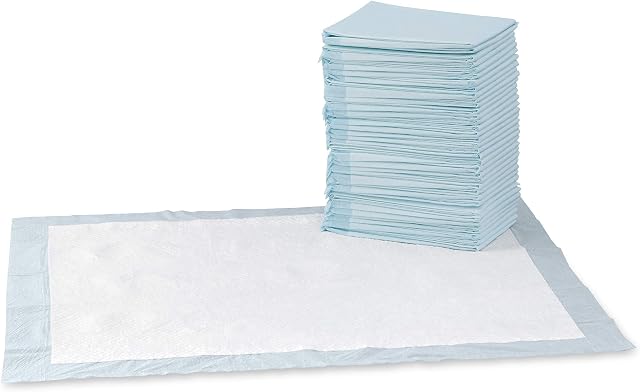
6. Consider Using Litter Training Pads: While not as common as litter mats, pet owners should still be aware that they are an essential part of keeping pets healthy and happy. Pet pads can help prevent odors from building up in your home by absorbing the waste into a material like cotton or fleece. Additionally, using absorbent materials such as polyester or nylon can make it easier to clean them regularly without causing damage to other areas around your pet's room.
7. Keep Your Litter Training Pads Clean: Regularly cleaning and maintaining litter training pads is important for preventing odors from building up in the material over time, which could cause health issues for pets if they are not properly cleaned or disposed of correctly. Additionally, consider investing in reusable bags or containers to store used litter pads so you don't have to worry about disposing them properly every day.
8. Consider Using Pet Odor Eliminators: If your pet has a strong odor from their waste, it may be worth considering using an odour-eliminating product like air fresheners or essential oils in the room where they are going potty. This can help mask any unpleasant smells and make cleaning up after them easier to handle without causing damage around other areas of your home.
9. Keep Your Litter Training Mats Dry: If you have pets that chew
More listings from Litter & Housetraining by experienced suppliers.