10% OFF
Shop Board Games products from multiple suppliers.




The Evolution of Board Games - From Ancient Egypt to Modern Times
Board games have been a popular form of entertainment for thousands of years, with the earliest known examples dating back to ancient Egypt and Mesopotamia. Over time, board games have evolved in terms of design, materials, and gameplay mechanics. In this post, we will explore the history of board games from their humble beginnings to modern times, highlighting some of the most significant milestones along the way.
Early Board Games (Ancient Egypt - 1500s):
The earliest known board game is believed to be Senet, which originated in ancient Egypt around 3500 BCE. This two-player race game was played on a rectangular board with 30 squares, and the objective was to move all of your pieces from one end of the board to the other before your opponent. Other early board games include Mehen (also from ancient Egypt), Liubo (from China), and Mancala (which originated in Africa).
Medieval Board Games (1600s - 1800s):
During the Middle Ages, board games became more sophisticated with the introduction of new materials such as wood and paper. Chess was invented in India during this time period and quickly spread throughout Europe, becoming a popular pastime among royalty and nobility. Other popular medieval board games include Backgammon, Go, and Parcheesi (also known as Parchis or Persian CheSS).
Modern Board Games (1900s - Present):
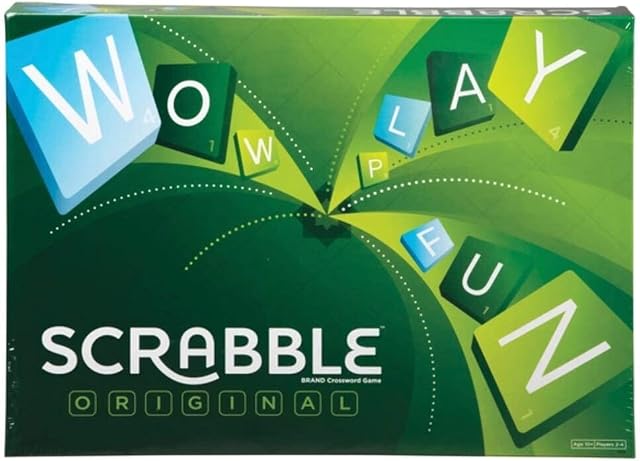
The 20th century saw the rise of mass-produced board games, with companies like Parker Brothers and Milton Bradley introducing new titles each year. Classics such as Monopoly, Scrabble, and Clue became household names, while innovative designs like Risk and The Game of Life challenged players in different ways. In recent years, there has been a resurgence of interest in tabletop games, with independent designers creating unique and complex titles that push the boundaries of traditional gameplay mechanics.
Board games have come a long way since their ancient beginnings, evolving from simple race games to sophisticated strategic experiences. From wooden carvings to plastic pieces, board games have adapted to new materials and technologies throughout history. Whether you prefer classic designs or cutting-edge innovations, there's something for everyone in the world of tabletop gaming.
More listings from Board Games by experienced suppliers.