17% OFF
Shop Food Storage products from multiple suppliers.


As we all know, food storage is an essential part of any kitchen or bathroom. It plays a crucial role in keeping our meals fresh for longer periods of time, ensuring that they are always ready to eat when needed most. In this blog post, we will explore some tips on how you can use the right type and amount of containers to store your food safely and effectively.
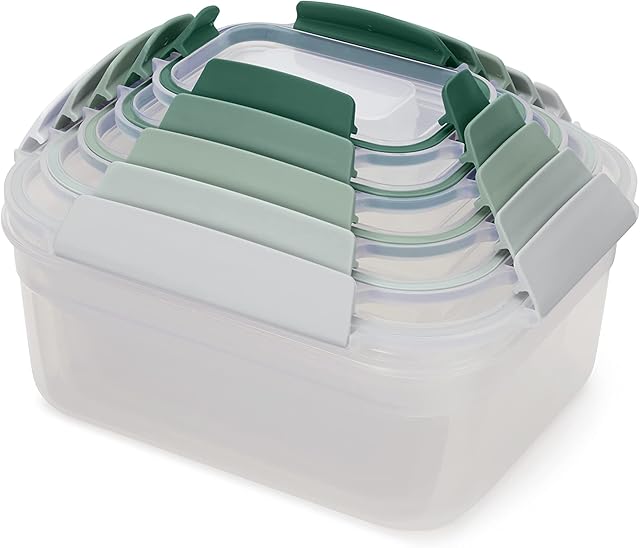
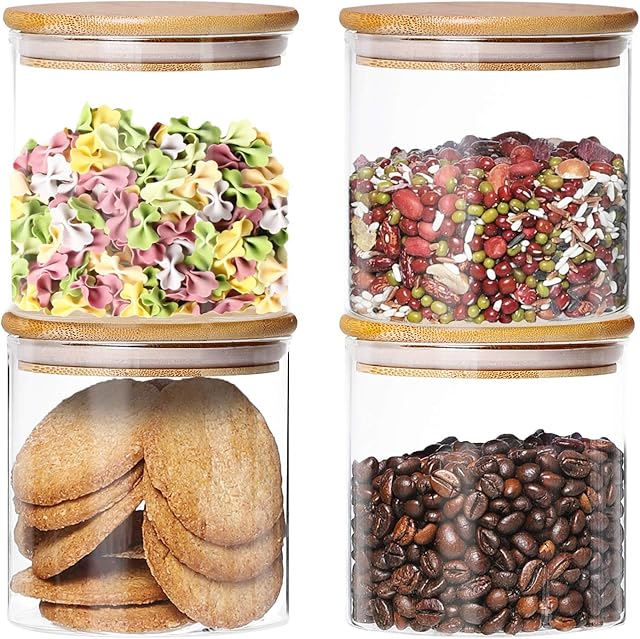
1. Choose the Right Container Type: The first step is choosing a container with which you feel comfortable storing your food. You should choose one that fits well in your kitchen or bathroom space, has good insulation properties for keeping things fresh, and can withstand high temperatures without breaking down easily. Some popular options include stainless steel containers, glass jars, plastic storage bags, and airtight lunch boxes.
2. Use the Right Amount of Containers: The amount you use will depend on how much food you plan to store in your kitchen or bathroom space. For small spaces like kitchens with limited countertop area, it's best to stick to a few containers that can fit neatly into drawers and cabinets. However, for larger spaces such as bathrooms, multiple storage options are available depending on the size of the room.
3. Store Food Properly: When storing food in your kitchen or bathroom space, make sure you store them properly so they don't spoil easily. This means keeping things dry by using airtight containers and avoiding direct contact with water-based foods like fruits and vegetables that can absorb moisture from the environment. You should also avoid leaving open containers of liquid on surfaces as this will allow bacteria to grow quickly.
4. Use Proper Storage Techniques: To ensure your food stays fresh for longer periods, you need to store it properly in a way that prevents contamination or spoilage. This means using airtight containers and storing them upright so they don't touch each other when stored together. You should also avoid leaving open containers of liquid on surfaces as this will allow bacteria to grow quickly.
5. Keep Your Containers Clean: To prevent food from spoiling, it's essential that you keep your storage containers clean at all times. This means washing them regularly and avoiding storing items in the same container for extended periods without cleaning first. You should also avoid leaving open containers of liquid on surfaces as this will allow bacteria to grow quickly.
6. Use Proper Storage Techniques: To ensure food stays fresh, it's essential that you store your storage containers properly so they don't touch each other when stored together. This means using airtight containers and storing them upright so they don't touch the surface of the container or any items inside. You should also avoid leaving open containers of liquid on surfaces as this will allow bacteria to grow quickly.
7. Store Food Properly: To ensure your food stays fresh for longer periods, you need to store it properly in a way that prevents contamination and spoilage. This means using airtight containers and storing them upright so they don't touch the surface of the container or any items inside. You should also avoid leaving open containers of liquid on surfaces as this will allow bacteria to grow quickly.
More listings from Food Storage by experienced suppliers.