
Drum & Pail Handling Equipment
Shop Drum & Pail Handling Equipment products from multiple suppliers.


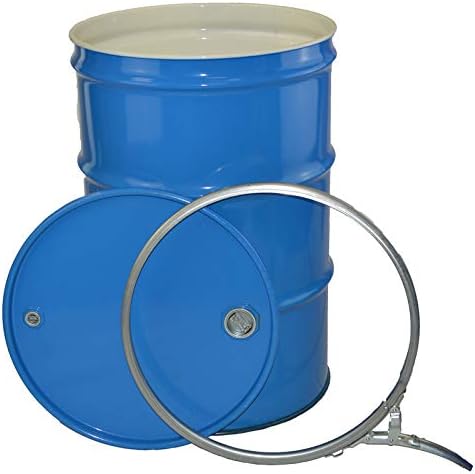





About Drum & Pail Handling Equipment
Drum & Pail Handling Equipment: A Comprehensive Guide
Drum and pail handling equipment plays a crucial role in various industries, from manufacturing and logistics to food processing and agriculture. These equipment are designed to facilitate the safe and efficient movement, storage, and transport of drums and pails, ensuring the integrity of their contents and the safety of workers. In this blog post, we will explore the different types of drum and pail handling equipment and their applications in various industries.
1. Drum & Pail Handling Equipment Overview
Drum and pail handling equipment encompasses a wide range of products designed to handle drums and pails of different sizes, materials, and purposes. These equipment are essential for lifting, moving, pouring, and storing drums and pails, eliminating the need for manual handling, which can be time-consuming and potentially hazardous. They are commonly used in manufacturing plants, warehouses, distribution centers, and other industrial settings where drums and pails are a common sight.
2. Types of Drum & Pail Handling Equipment
a. Drum Lifters: Drum lifters are designed to lift and transport drums safely and efficiently. They come in various configurations, including forklift attachments, overhead hoists, and portable drum handling units. These lifters are equipped with mechanisms such as clamps, hooks, or grippers that securely hold the drum during lifting and transport.
b. Drum Dumpers: Drum dumpers are used to empty the contents of drums into other containers or processing equipment. They eliminate the need for manual tipping, reducing the risk of spills and injuries. Drum dumpers can be hydraulic, electric, or manual, depending on the specific application and requirements.
c. Drum Dispensing Equipment: Drum dispensing equipment includes pumps, faucets, and spigots that allow for controlled dispensing of liquids from drums. These devices are essential for transferring fluids into smaller containers or directly into production processes. They help prevent spills, waste, and contamination.
d. Drum Dollies: Drum dollies are wheeled platforms designed to transport drums easily and efficiently. They typically feature a low-profile design and sturdy construction to accommodate the weight of drums. Drum dollies are ideal for moving drums within a facility or loading them onto trucks for transportation.
e. Drum Stands: Drum stands provide a stable and elevated platform for drums during storage and dispensing. They are available in various designs, including adjustable height stands, stackable stands, and drum cradles. Drum stands help prevent leakage, damage, and accidents caused by improper storage or handling.
3. Applications in Different Industries
Drum and pail handling equipment find applications in a wide range of industries, including:
a. Manufacturing: In manufacturing plants, drum and pail handling equipment are used to transport raw materials, chemicals, and finished products. They ensure the safe movement of drums along assembly lines and facilitate efficient material handling processes.
b. Warehousing and Distribution: Drum and pail handling equipment are essential in warehouses and distribution centers where drums and pails are stored and shipped. They enable efficient loading and unloading of trucks, optimizing logistics operations.
c. Food Processing: Food-grade drum and pail handling equipment are crucial in the food processing industry. They ensure the safe handling and transport of ingredients, liquids, and finished products, complying with stringent food safety regulations.
d. Agriculture: In the agricultural sector, drum and pail handling equipment are used to handle fertilizers, pesticides, and other agricultural chemicals. These equipment facilitate the safe storage and transport of hazardous substances, reducing the risk of accidents and environmental contamination.
4. Safety Considerations
When using drum and pail handling equipment, it is essential to prioritize safety. Here are some key safety considerations:
a. Training: Ensure that operators are properly trained in the safe operation of drum and pail handling equipment. Training should cover equipment-specific procedures, load capacity limits, and general safety guidelines.
b. Maintenance: Regularly inspect and maintain drum and pail handling equipment to ensure their safe and reliable operation. This includes checking for worn-out components, lubricating moving parts, and addressing any issues promptly.
c. Load Capacity: Always adhere to the load capacity limits specified by the manufacturer. Overloading equipment can lead to accidents, equipment failure, and injuries.
d. Personal Protective Equipment (PPE): Provide appropriate PPE, such as gloves, safety glasses, and steel-toed boots, to workers operating drum and pail handling equipment. PPE can help protect against potential hazards, such as spills, splashes, and falling objects.
e. Storage and Handling: Properly store drums and pails in designated areas and follow safe handling procedures. This includes securing drums during transport, avoiding excessive stacking, and using appropriate lifting and securing devices.
In conclusion, drum and pail handling equipment are indispensable tools for industries that deal with drums and pails. They streamline operations, enhance worker safety, and ensure the integrity of valuable contents. By understanding the different types of equipment available and implementing proper safety measures, industries can optimize their material handling processes and improve overall efficiency.
More from Drum & Pail Handling Equipment
More listings from Drum & Pail Handling Equipment by experienced suppliers.

