34% OFF
Shop Hot & Cold Therapies products from multiple suppliers.


When it comes to managing pain, hot and cold therapies are two of the most popular methods used. Both have their own unique benefits and can be used in different situations depending on what type of pain you're experiencing. In this blog post, we will explore the differences between hot and cold therapies and which one may be best for your specific needs.
Hot Therapy:
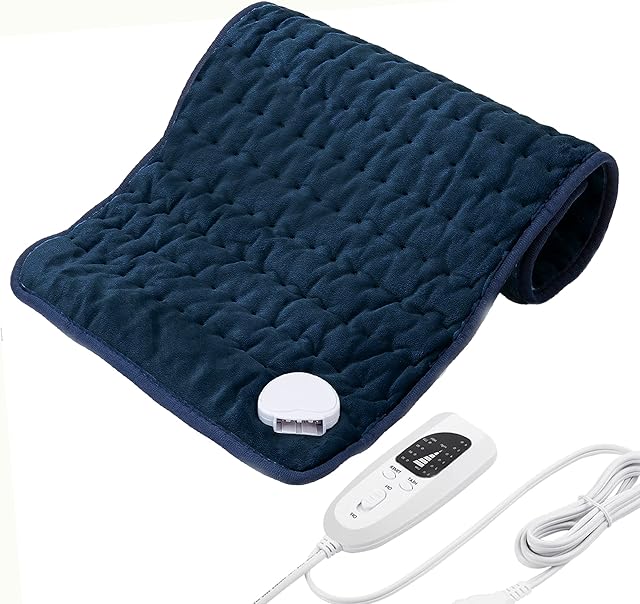
Hot therapy involves using heat to relieve pain and inflammation. It can help relax muscles, increase blood flow, and reduce stiffness. Hot water bottles, heating pads, and warm compresses are common examples of hot therapies. Here are some benefits of hot therapy:
* Relieves tension in the body by increasing blood flow and circulation
* Reduces inflammation and swelling
* Eases muscle spasms and cramps
* Promotes relaxation and helps with sleep
* Can be used to treat a variety of conditions such as arthritis, fibromyalgia, and sports injuries.
Cold Therapy:
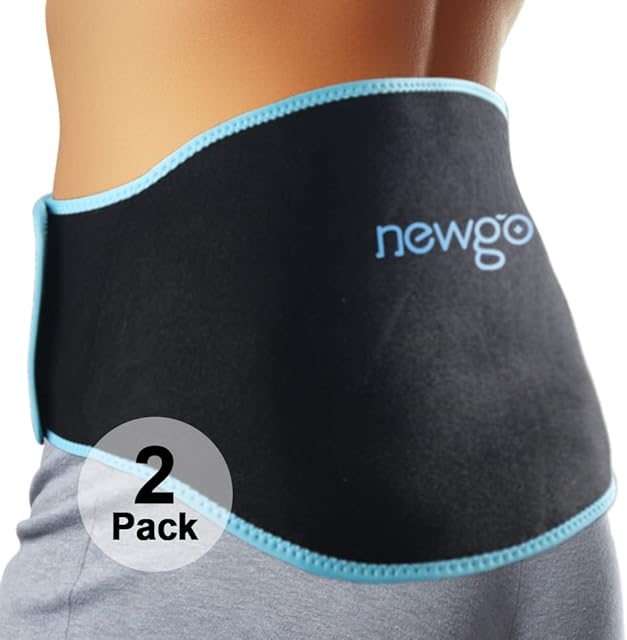
Cold therapy involves using cold temperatures to reduce inflammation and relieve pain. It can help numb the affected area, reduce swelling, and slow down tissue damage. Cold packs, ice baths, and cold compresses are common examples of cold therapies. Here are some benefits of cold therapy:
* Reduces inflammation and swelling
* Numbs the affected area to relieve pain
* Helps reduce muscle spasms and cramps
* Can be used to treat a variety of conditions such as sprains, strains, and post-operative recovery.
Comparing Hot & Cold Therapies:
Both hot and cold therapies have their own benefits and drawbacks. Here are some key differences between the two:
* Temperature: Hot therapy involves using heat to relieve pain, while cold therapy uses cold temperatures.
* Effectiveness: The effectiveness of hot and cold therapies depends on the type of pain you're experiencing. For example, hot therapy may be more effective for chronic pain such as arthritis or fibromyalgia, while cold therapy may be better for acute injuries like sprains or strains.
* Time: Hot therapies typically take longer to provide relief compared to cold therapies which can start working faster.
Which One is Best For You?
The best choice between hot and cold therapy depends on the type of pain you're experiencing, as well as your personal preferences. Here are some factors to consider:
* Type of Pain: If you have chronic pain that needs long-term relief, hot therapy may be more effective. However, if you need quick relief for an acute injury, cold therapy may be better.
* Personal Preferences: Some people prefer the feeling of heat on their body while others find it uncomfortable. Similarly, some people prefer the numbing effect of cold temperatures while others don't like the sensation of being cold.
In conclusion, hot and cold therapies are two popular methods used to relieve pain and inflammation. While both have their own benefits and drawbacks, it's important to consider your specific needs when choosing between them. Whether you prefer heat or cold temperatures, there is a wide range of products available that can help provide relief from pain and discomfort.
More listings from Hot & Cold Therapies by experienced suppliers.