Graph Paper
Shop Graph Paper products from multiple suppliers.




About Graph Paper
Graph Paper: The Versatile Tool for Creativity and Organization
When it comes to office supplies, there are a few essentials that every workspace needs. From pens and staplers to notebooks and folders, these items help us stay organized and productive. But there's one underrated tool that often gets overlooked - graph paper. Whether you're an engineer, a student, an artist, or simply someone who loves to doodle, graph paper can be a game-changer. In this blog post, we'll explore the different types of graph paper available and how they can be used in various settings.
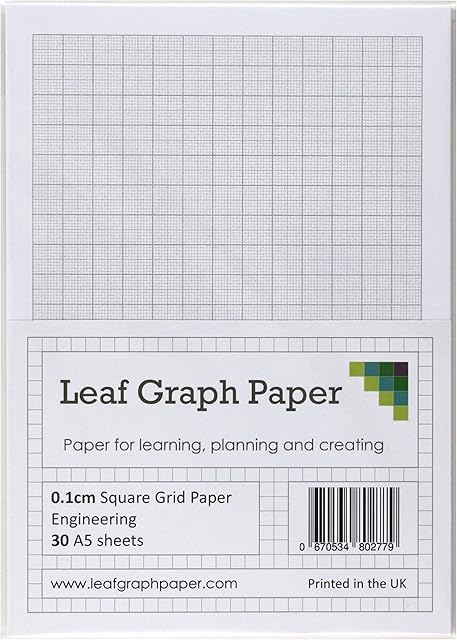
Let's start with the basics. Graph paper, as the name suggests, is paper with a grid pattern of evenly spaced horizontal and vertical lines. This pattern creates a series of small squares, allowing for precise measurements and drawings. The most common type of graph paper features squares with sides measuring 1 centimeter or 0.1 centimeter. This size is ideal for engineering, mathematics, and scientific applications. Engineers often use graph paper to create precise diagrams and schematics, while mathematicians use it for graphing equations and plotting data points. With its grid pattern, graph paper makes it easy to create accurate and organized visuals.
But graph paper isn't just for professionals. Students of all ages can benefit from using graph paper in their studies. Whether they're learning geometry, algebra, or even art, graph paper provides a structured framework for learning and creativity. For example, when studying geometry, students can use graph paper to draw shapes and accurately measure their angles and sides. In algebra, graph paper can be used to plot equations and identify key points. Even art students can benefit from using graph paper to create precise sketches or drawings.
Beyond the classroom, graph paper has a place in the world of art and design. Artists and designers often use graph paper as a tool for sketching and planning their creations. The grid pattern helps them maintain proportion and symmetry in their drawings, ensuring that their final piece is visually appealing. Additionally, the small squares on graph paper can be used as a guide for creating intricate patterns and designs. From mandalas to spirographs, graph paper can help artists bring their visions to life.
But graph paper isn't limited to traditional pen and paper applications. In today's digital age, there are numerous apps and software programs that replicate the grid pattern of graph paper. These digital versions offer the same precision and organization as their physical counterparts, but with the added convenience of digital editing tools. This makes graph paper accessible to a wider audience and allows for even more flexibility in its use.
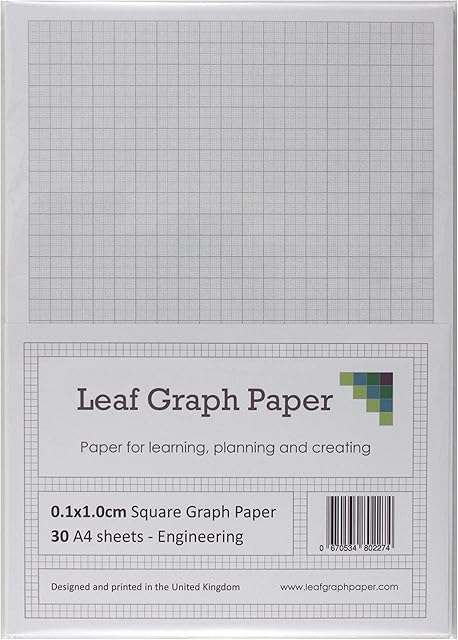
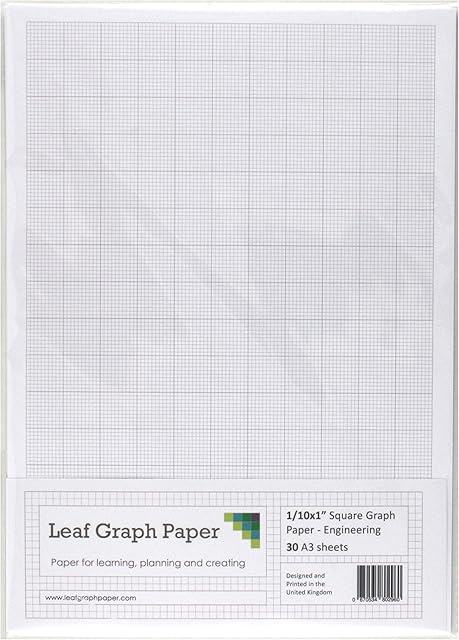
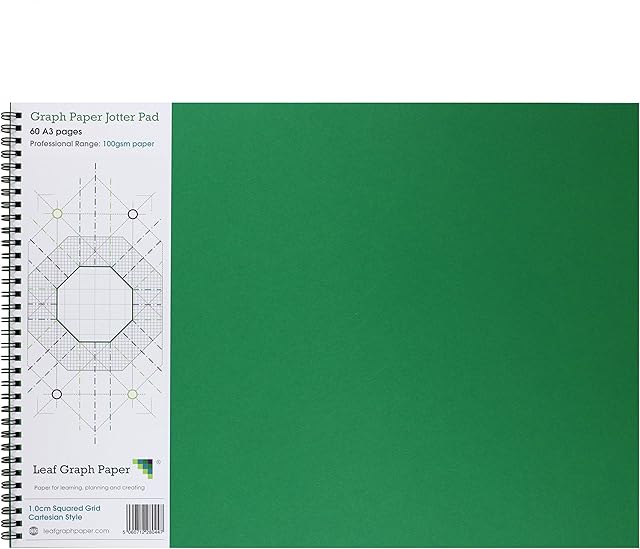
Now that we've explored the different applications of graph paper, let's dive into the specific products available. One popular option is A4 graph paper, which comes in various grid sizes - 1mm, 0.7mm, and 0.5mm. A4 graph paper is versatile and can be used for a wide range of tasks, from sketching to engineering. The loose-leaf format allows for easy customization and organization. Another option is A3 graph paper, which offers a larger canvas for more detailed drawings and diagrams. With its 1mm grid size, A3 graph paper is perfect for engineering and architectural projects.
In addition to traditional graph paper, there are also innovative variations designed for specific purposes. For example, the NUOBESTY Wall Pocket Chart combines the functionality of graph paper with a hanging bag and magnetic cards. This product is perfect for classrooms or home offices, allowing users to easily organize and display important information. Similarly, the ALEOHALTER Tabletop Desktop Pocket Chart is a self-standing pocket chart that can be folded for easy storage. This product is ideal for teachers or anyone who needs a portable solution for organizing documents or files.
Lastly, let's not forget about the fun side of graph paper. The Travel Spirograph is a compact and colorful tool that allows users to create intricate spiral designs. This pocket-sized version of the classic Spirograph is perfect for on-the-go creativity. Whether you're waiting at the airport or sitting in a coffee shop, the Travel Spirograph provides endless entertainment and inspiration.
In conclusion, graph paper is a versatile tool that has applications in various fields. From engineering and mathematics to art and design, graph paper provides a structured framework for creativity and organization. Whether you prefer traditional pen and paper or digital editing tools, there's a graph paper option that suits your needs. So next time you're stocking up on office supplies, don't forget to grab a pack of graph paper. You never know when it might come in handy!
More from Graph Paper
More listings from Graph Paper by experienced suppliers.