29% OFF
Shop Resistors products from multiple suppliers.




When it comes to electronics, resistors are an essential component that helps regulate the flow of electricity in a circuit. They come in different shapes, sizes, and resistance values, making them versatile for various applications. In this blog post, we will explore the world of resistors and their importance in electronic circuits.
Resistors are passive components that oppose the flow of electric current by converting electrical energy into heat. They do this by dissipating power as heat through a process called Joule heating. The amount of heat generated depends on the resistance value, voltage applied, and the duration of time the current flows through the resistor. Resistors are available in different types such as carbon film resistors, wirewound resistors, metal film resistors, and ceramic resistors. Each type has its unique characteristics, including temperature stability, power rating, and resistance value.
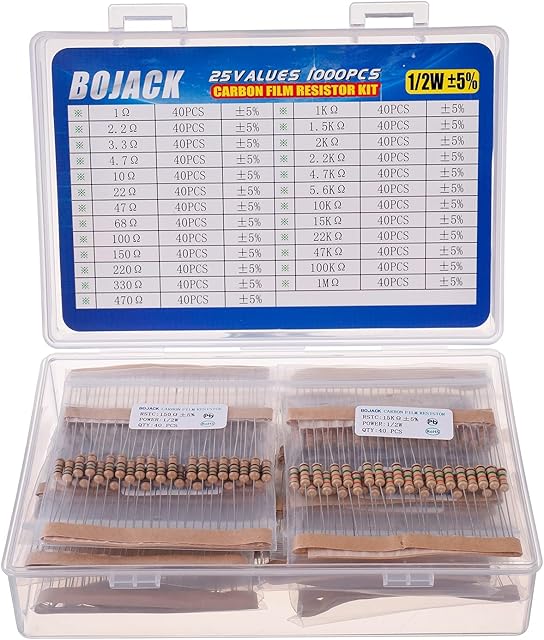
Carbon Film Resistors: These are the most commonly used resistors due to their low cost and ease of manufacturing. They consist of a thin carbon-based material that is deposited onto a metal film. Carbon film resistors have a relatively low tolerance (±5%) compared to other types, making them ideal for high-precision applications.
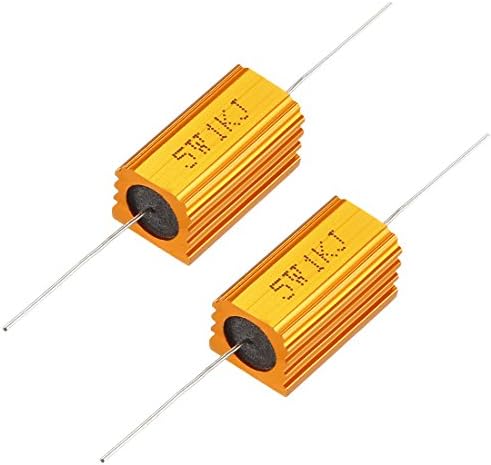
Wirewound Resistors: These are made by winding a wire around a core and applying insulation. They have higher power ratings than carbon film resistors and offer better temperature stability due to their metal construction. Wirewound resistors typically have a tolerance of ±10%.
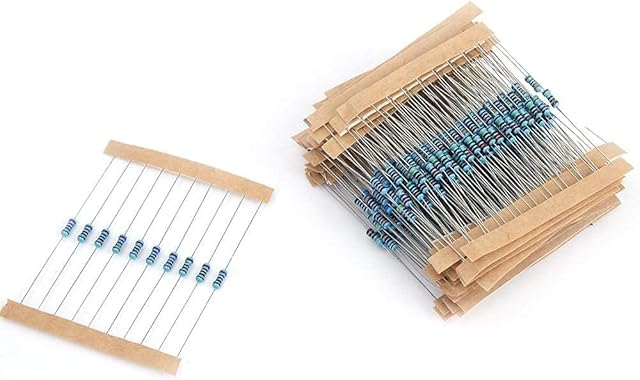
Metal Film Resistors: As the name suggests, these are made by depositing a thin layer of metal onto a substrate. They provide excellent temperature stability and low noise performance. Metal film resistors usually have a higher tolerance than carbon film resistors (±2%).
Ceramic Resistors: These consist of a ceramic material with a metal lead on either end. Ceramic resistors are inexpensive, compact, and suitable for high-frequency applications due to their low thermal mass. They typically have a tolerance of ±5%.
Resistor Assortment Kits: For hobbyists or professionals who need a variety of resistors for their projects, resistor assortment kits are available in different resistance ranges and quantities. These kits provide an excellent way to stock up on various types of resistors without purchasing them individually.
When choosing the right resistor for your circuit, consider factors such as power rating, temperature range, and tolerance level. It is also important to ensure that the resistor can handle the current flowing through it without overheating or damaging its insulation. By selecting the appropriate resistor type and value based on your specific requirements, you can create a well-functioning electronic circuit.
In conclusion, resistors are an essential component in electronics, providing a means to regulate electricity flow and dissipate power as heat. With various types of resistors available, it is crucial to choose the right one for your application based on factors such as resistance value, tolerance level, temperature range, and current handling capacity. By selecting the appropriate resistor, you can create a functional electronic circuit that meets your needs.
More listings from Resistors by experienced suppliers.
![Cubeplug 1 ohm - 10M ohm 1280pcs 64 values 1/4W Metal Film Resistors Assortment Kit [P041]](https://m.media-amazon.com/images/I/61pblpaTgZL._AC_SL640_.jpg)