
Urns
Shop Urns products from multiple suppliers.



About Urns
Urns have been a popular choice for gardeners and homeowners for centuries. Their timeless beauty and versatility make them a perfect addition to any outdoor space. Whether you have a sprawling garden or a small balcony, an urn can add a touch of elegance and sophistication to your surroundings. In this blog post, we will explore the history of urns, their various uses, and how you can incorporate them into your own garden.
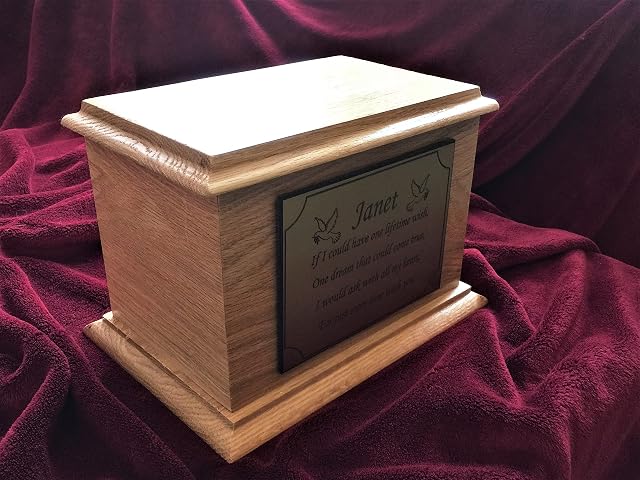
The history of urns dates back to ancient civilizations, where they were used for a variety of purposes. In ancient Egypt, urns were often used to store the ashes of the deceased. These urns were intricately decorated and served as a symbol of honor and remembrance. In ancient Greece, urns were used to hold the remains of the deceased as well, but they were also used as decorative elements in gardens and public spaces. The Greeks believed that urns had the power to protect and bless their surroundings.
Fast forward to today, and urns are still widely used for both practical and aesthetic purposes. One of the most common uses for urns is as plant containers. Their deep and spacious design allows for the growth of large and vibrant plants. You can fill an urn with flowers, shrubs, or even small trees to create a stunning centerpiece in your garden. The height and grandeur of an urn can also add depth and dimension to your outdoor space, making it appear larger and more inviting.
Aside from being used as plant containers, urns can also be used as standalone decorative elements. Placed strategically around your garden, they can serve as focal points and draw attention to specific areas. You can choose urns of different sizes and styles to create a harmonious and cohesive look. For a more traditional and classic feel, opt for urns made of stone or cast iron. If you prefer a more modern and contemporary look, consider urns made of fiberglass or ceramic. The possibilities are endless, and you can let your creativity run wild!
In addition to their aesthetic appeal, urns also offer practical benefits. Their deep design allows for proper drainage, preventing water from accumulating and causing root rot. This is especially important for plants that require well-drained soil, such as succulents and cacti. Furthermore, urns can be easily moved around your garden, allowing you to rearrange your outdoor space as needed. This flexibility is especially useful if you want to experiment with different plant combinations or if you need to protect your plants from severe weather conditions.
When it comes to choosing the right urn for your garden, there are a few factors to consider. First and foremost, think about the size and scale of your outdoor space. If you have a large garden, you can opt for larger urns to create a dramatic and eye-catching display. On the other hand, if you have a small balcony or patio, choose smaller urns that won't overpower the space. Next, consider the style and material of the urn. Look for a design that complements your existing outdoor decor and matches the overall aesthetic of your garden. Finally, think about the practical aspects of the urn, such as drainage and mobility. Make sure the urn you choose has proper drainage holes and is lightweight enough to be easily moved.
Once you have chosen the perfect urn for your garden, it's time to get creative with your plant selection. Consider the color scheme of your garden and choose plants that will complement or contrast with the urn. For a classic and timeless look, opt for white or pastel-colored flowers. If you prefer a more vibrant and eclectic style, choose plants with bold and contrasting colors. Don't be afraid to mix different types of plants, such as flowers, grasses, and even herbs, to create a dynamic and visually interesting display.
When it comes to arranging the plants in your urn, there are a few tips to keep in mind. Start by filling the bottom of the urn with a layer of gravel or small stones. This will help with drainage and prevent the soil from becoming waterlogged. Next, fill the urn with a high-quality potting mix, leaving enough space for the plants to grow. Arrange the plants in a way that creates a balanced and harmonious composition. Place taller plants in the center or at the back of the urn, and surround them with shorter and trailing plants. Finally, water the plants thoroughly and place the urn in a location that receives the appropriate amount of sunlight for the plants you have chosen.
In conclusion, urns are a versatile and beautiful addition to any garden. Whether you use them as plant containers or as standalone decorative elements, they can add a touch of elegance and sophistication to your outdoor space. With their rich history and timeless appeal, urns are a perfect choice for gardeners and homeowners who want to create a visually stunning and vibrant garden. So why not incorporate an urn into your own garden and enjoy the beauty and charm it brings?