21% OFF
Shop Blades products from multiple suppliers.
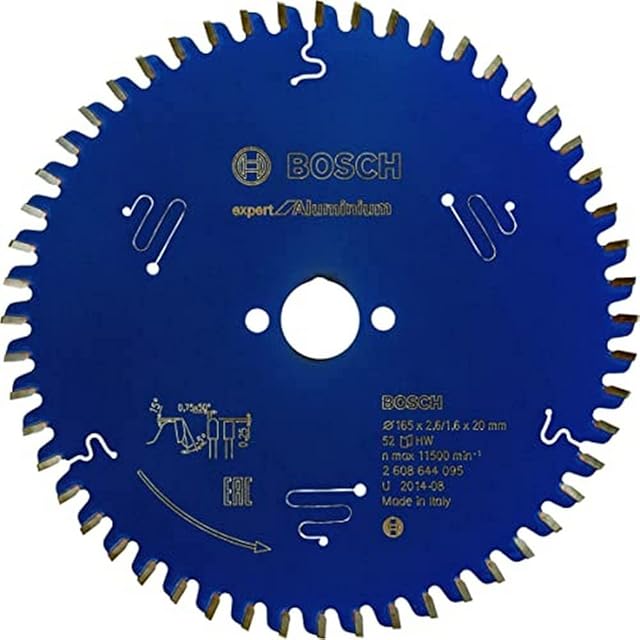


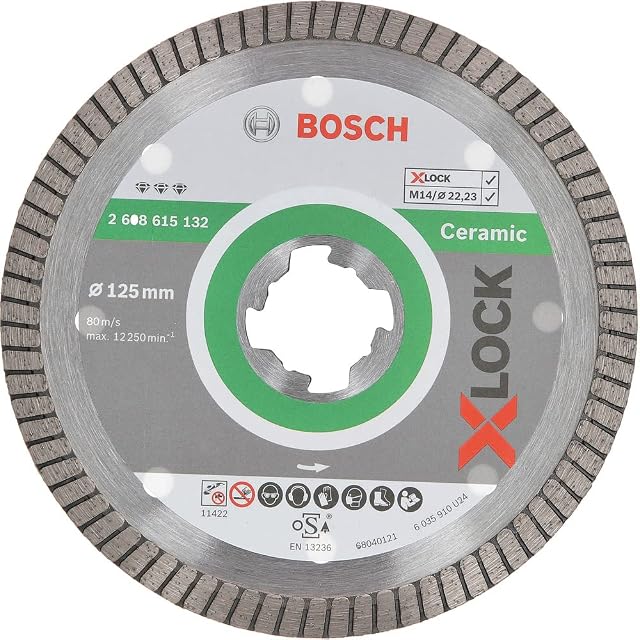

Blades are an essential component of many power tools and play a crucial role in the performance and efficiency of these tools. In this blog post, we will be discussing blades for various categories of products, including circular saws, reciprocating saws, jigsaws, and rotary tools. We will also provide some tips on how to choose the right blade for your specific needs.
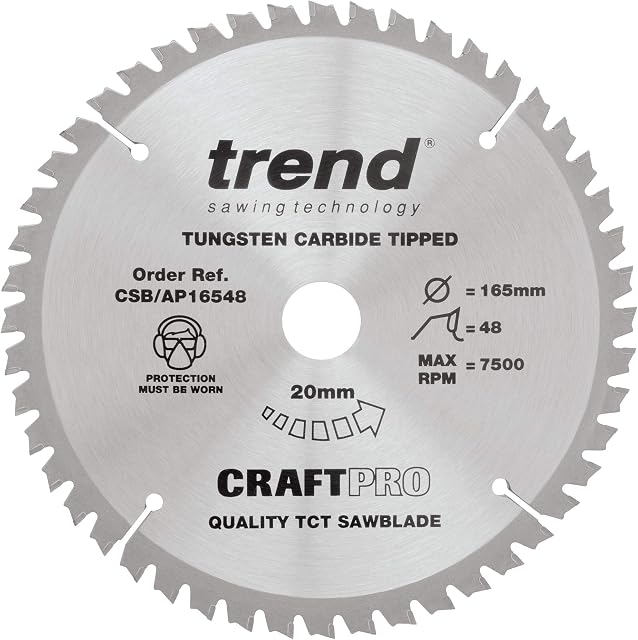
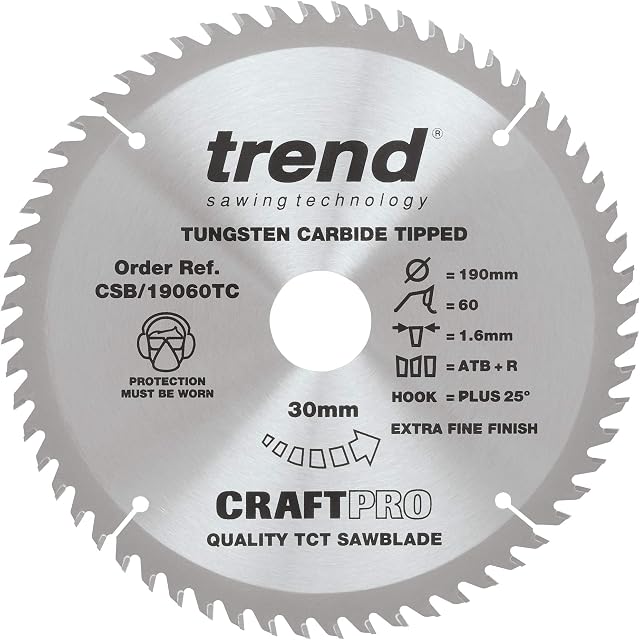
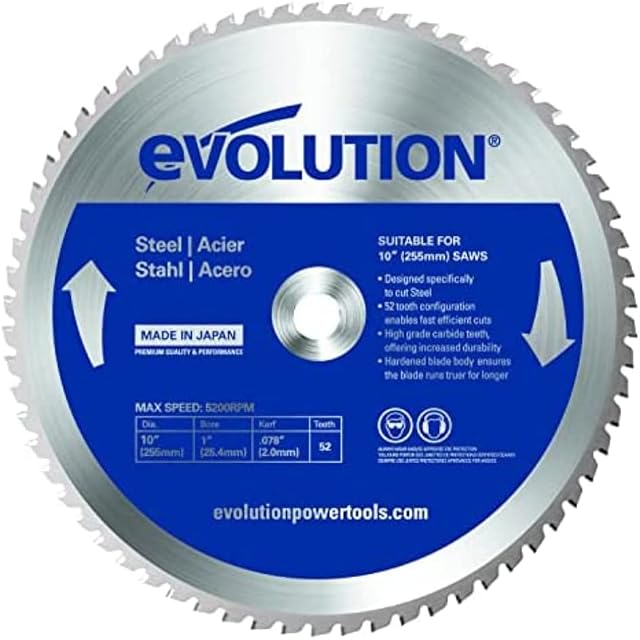
For circular saws, there are different types of blades available depending on the material you want to cut. For example, Bosch's Optiline Wood Circular Saw Blade is designed specifically for cutting wood and features 60 teeth that help to reduce vibration and improve cutting performance. On the other hand, Cutting Discs for Dremel Rotary Tool are ideal for cutting a variety of materials such as metal, aluminum, glass, plastic, and wood. These discs come in different sizes and shapes depending on the specific tool you have.
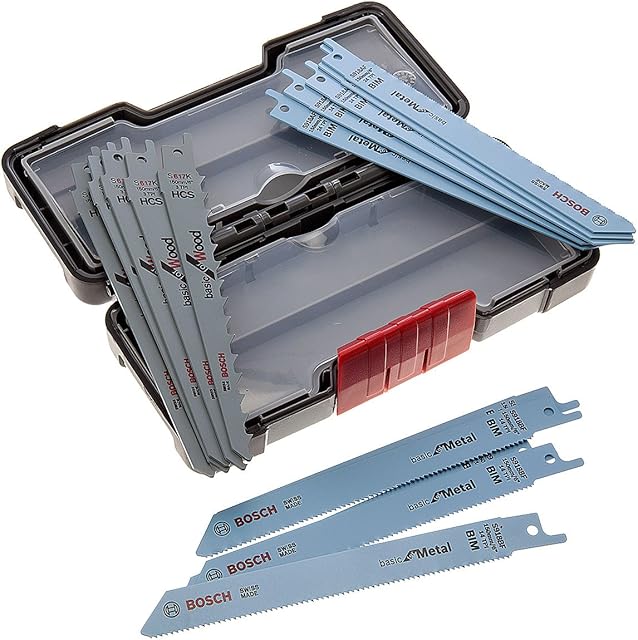
Reciprocating saw blades are designed to cut through various materials including wood, metal, and plastic. SabreCut's SCRS1122BF_10 blade is a versatile option that can be used for both wood and metal cutting with its 14 TPI (teeth per inch) design. Makita's B-20432 reciprocating saw blades are also designed to cut through various materials, including wood, metal, and plastic.
Jigsaw blades come in different sizes and shapes depending on the specific tool you have. The kwb 617220 jigsaw blade is a universal set that can be used for cutting non-ferrous metals and wood. Saxton's TCT16080TPRO Professional Range TCT Circular Blade is designed to cut through metal, aluminum, glass, plastic, and wood with its 160mm x 80T design.
When choosing a blade for your power tool, it's important to consider the material you will be cutting most often. For example, if you are mostly cutting wood, you may want to choose a blade designed specifically for that purpose. However, if you need to cut multiple materials, a universal set of blades like the one from kwb or Saxton might be more practical.
In conclusion, blades play a crucial role in the performance and efficiency of power tools. By choosing the right blade for your specific needs, you can ensure that your tool works effectively and safely. When selecting a blade, consider the material you will be cutting most often and choose one designed specifically for that purpose or opt for a universal set if needed.
More listings from Blades by experienced suppliers.