30% OFF
Shop Socket Bits products from multiple suppliers.




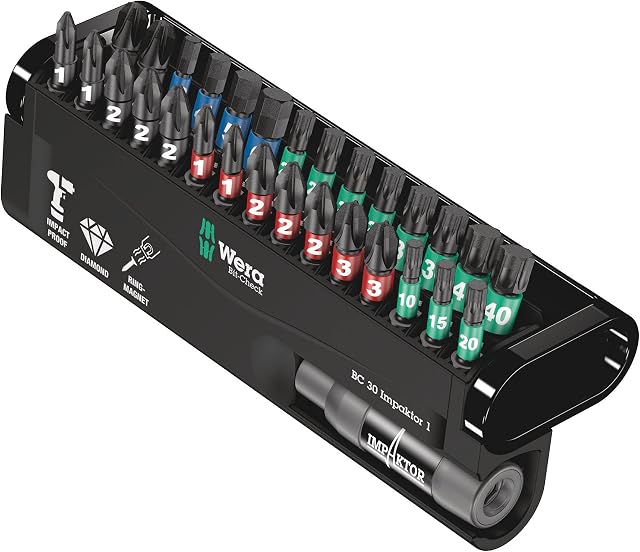
Socket Bits:
When it comes to power tool accessories, one item that you can't overlook is the socket bit. These small but mighty tools are essential for any DIY enthusiast or professional tradesperson. Whether you're working on a home improvement project or a construction site, having the right socket bit can make all the difference in the world. In this blog post, we'll explore the world of socket bits and provide you with everything you need to know to choose the right one for your needs.
What are Socket Bits?
Socket bits, also known as socket wrench bits or simply sockets, are attachments that fit onto a socket wrench or impact driver. They are designed to turn bolts, screws, and other fasteners with a hexagonal or square-shaped recess. Socket bits come in various sizes and types, allowing you to handle a wide range of fasteners.
Types of Socket Bits
There are several different types of socket bits available on the market, each designed for specific applications. Let's take a closer look at some of the most common types:
1. Standard Socket Bits: These are the most common type of socket bits and are used for general-purpose fastening tasks. They come in various sizes, typically ranging from 1/4 inch to 1 inch, and are available in both metric and imperial measurements.
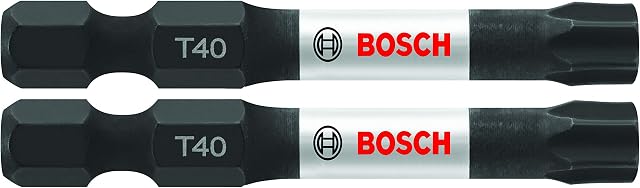
2. Impact Socket Bits: As the name suggests, impact socket bits are designed to withstand high torque and heavy-duty applications. They are made from hardened steel and have a thicker wall to handle the extra stress. If you frequently work with impact drivers or wrenches, these are the socket bits for you.
3. Magnetic Socket Bits: Magnetic socket bits have a magnetized tip that helps hold the fastener in place, preventing it from slipping or falling off the bit. This feature can be especially useful when working in tight spaces or overhead. Magnetic socket bits are available in both standard and impact versions.
4. Hex Socket Bits: Hex socket bits, also known as Allen bits, are designed for hexagonal recessed fasteners. They are commonly used in furniture assembly, automotive repairs, and electronic equipment. Hex socket bits come in various sizes, typically ranging from 1.5 mm to 10 mm or larger.
Choosing the Right Socket Bit
Now that you're familiar with the different types of socket bits, it's time to choose the right one for your needs. Here are a few factors to consider when making your selection:
1. Size: The first thing you need to determine is the size of the socket bit you require. This will depend on the size of the fastener you're working with. Make sure to measure the fastener accurately to ensure a proper fit.
2. Material: Socket bits are typically made from high-quality steel, but the level of hardness can vary. If you're working with heavy-duty applications or impact tools, opt for socket bits made from hardened steel for durability and longevity.
3. Compatibility: Before purchasing a socket bit, make sure it is compatible with your socket wrench or impact driver. Check the drive size (typically 1/4 inch, 3/8 inch, or 1/2 inch) and ensure that the bit can securely attach to your tool.
4. Special Features: Consider any special features that may enhance your work. For example, if you frequently work in low-light conditions, a socket bit with a built-in LED light can be incredibly handy. Similarly, if you often work in tight spaces, a magnetic socket bit can save you a lot of frustration.
Tips for Using Socket Bits
Once you have chosen the right socket bit for your needs, here are some tips to ensure you get the most out of your tool:
1. Always use the right size socket bit for the fastener you're working with. Using the wrong size can lead to stripped or damaged bolts.
2. Make sure the socket bit is securely attached to your tool before applying any force. A loose bit can cause injury or damage to your workpiece.
3. If using an impact driver or wrench, choose impact socket bits specifically designed to handle the high torque. Regular socket bits may not withstand the stress and can break or shatter.
4. Regularly clean and inspect your socket bits for any signs of wear or damage. Replace any worn-out or damaged bits to ensure safe and efficient operation.
In conclusion, socket bits are indispensable tools for any DIY enthusiast or professional tradesperson. By choosing the right socket bit for your needs and following proper usage techniques, you can tackle any fastening task with ease. So go ahead, invest in a quality socket bit set, and take your power tool game to the next level!
More listings from Socket Bits by experienced suppliers.