3% OFF
Shop Machine Needles products from multiple suppliers.





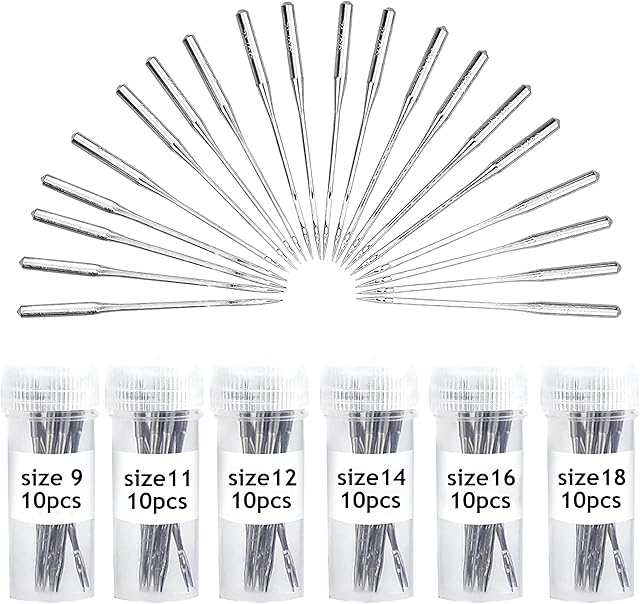
Machine Needles: A Comprehensive Guide to Choosing the Right Needle for Your Sewing Projects
When it comes to sewing, one of the most essential tools you need is a machine needle. Whether you are a seasoned seamstress or just starting out, selecting the right needle for your project is crucial for achieving professional and flawless results. In this blog post, we will delve into the world of machine needles, exploring different types, sizes, and their specific uses. So, let's get started!
Types of Machine Needles
There are various types of machine needles available in the market, each designed for a specific purpose. Let's take a closer look at some of the most common types:
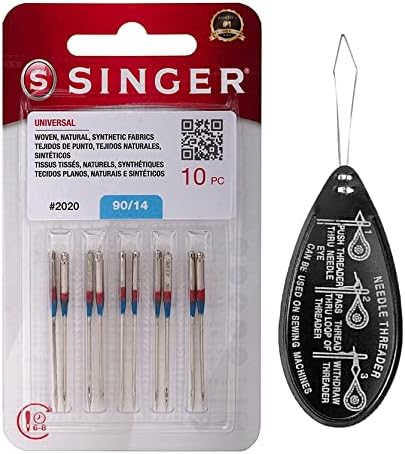
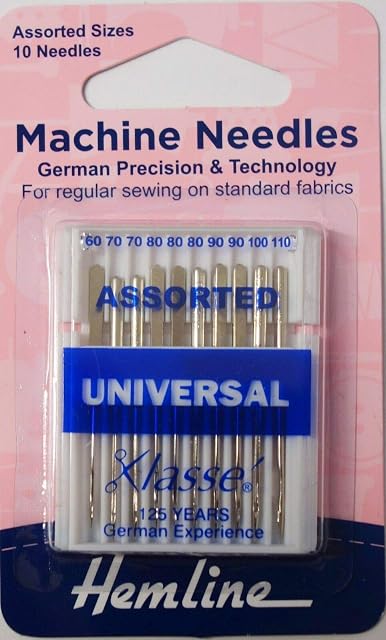
1. Universal Needles: As the name suggests, universal needles can be used for a wide range of fabrics, making them a popular choice for everyday sewing projects. They have a slightly rounded point, allowing them to glide smoothly through different materials.
2. Ballpoint Needles: Ballpoint needles are specifically designed for knit fabrics such as jersey and spandex. The rounded tip of these needles helps to prevent snags and runs in the fabric, ensuring a clean and even stitch.
3. Sharp Needles: Sharp needles, also known as microtex or quilting needles, have a fine, sharp point that allows them to pierce through tightly woven fabrics like silk and cotton. They are ideal for projects that require precision and delicate stitching.
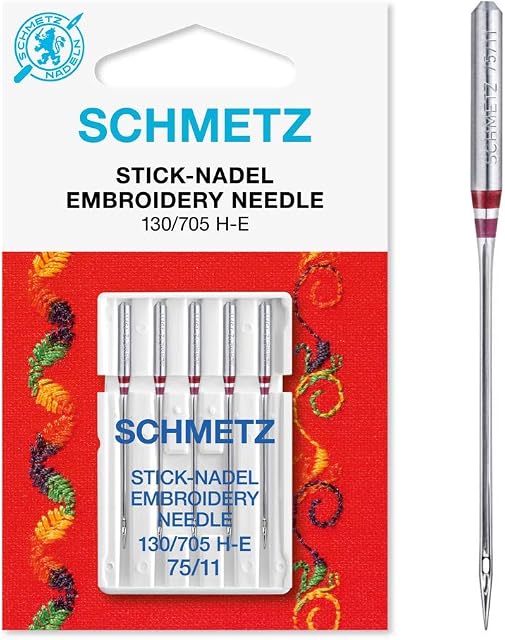
4. Embroidery Needles: Embroidery needles have a larger eye and a specially designed scarf, making them perfect for decorative stitching and embroidery work. These needles can handle thicker threads and are available in various sizes to accommodate different fabric types.
5. Leather Needles: Leather needles are specifically designed to sew through thick and tough materials like leather and suede. They have a chisel-shaped point that cuts through the fabric, preventing it from tearing or splitting.
Choosing the Right Needle Size
In addition to the type of needle, it is crucial to select the right needle size for your project. The size of the needle is determined by its diameter or gauge, and it can greatly impact the quality of your stitches. Here are some general guidelines to help you choose the right needle size:
1. Light Fabrics: For lightweight fabrics such as chiffon or organza, opt for a needle size between 60/8 and 70/10. These finer needles will create smaller holes in the fabric, preventing damage.
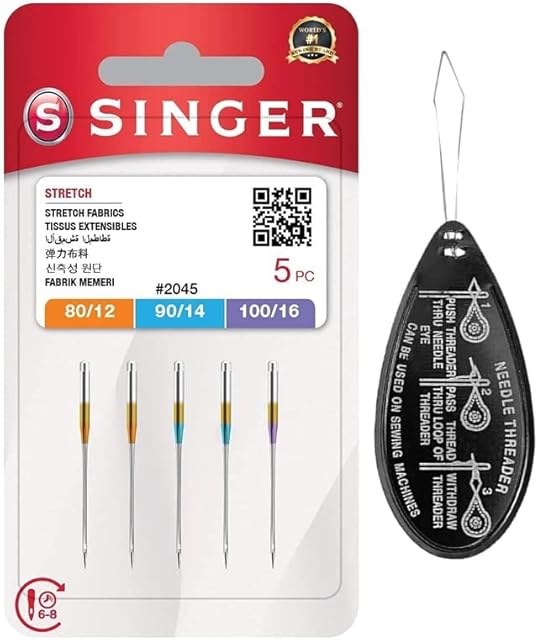
2. Medium Fabrics: For medium-weight fabrics like cotton or linen, a needle size between 80/12 and 90/14 is recommended. These sizes strike a balance between strength and precision.
3. Heavy Fabrics: When working with heavy fabrics like denim or upholstery material, choose a needle size between 100/16 and 110/18. These larger needles can easily penetrate through thick layers without breaking.
It is important to note that these are general guidelines, and you may need to adjust the needle size based on the specific fabric and project requirements.
Taking Care of Your Machine Needles
To ensure the longevity and performance of your machine needles, it is essential to take proper care of them. Here are a few tips to keep in mind:
1. Change Needles Regularly: Machine needles can become dull or damaged over time, resulting in poor stitch quality. It is recommended to change your needle after every 8-10 hours of sewing or when you notice any signs of wear and tear.
2. Use the Right Needle for the Job: Using the wrong needle can lead to skipped stitches, thread breakage, or damage to the fabric. Always select a needle that is appropriate for the fabric type and weight you are working with.
3. Insert the Needle Correctly: When inserting a new needle, ensure that it is pushed all the way up into the needle clamp. A loose or improperly inserted needle can cause stitching issues.
4. Clean the Needle Plate: Regularly clean the needle plate and remove any lint or debris that may have accumulated. This will prevent the build-up from interfering with the needle's movement.
Machine needles are an essential tool for any sewing enthusiast. By understanding the different types, sizes, and care tips, you can confidently choose the right needle for your projects and achieve professional-looking results. So, next time you embark on a sewing adventure, don't forget to pay attention to your machine needle – it can make all the difference!
More listings from Machine Needles by experienced suppliers.


![Schmetz Machine Embroidery Needles 75/11 [Office Product]](https://m.media-amazon.com/images/I/71ino7KwnEL._AC_SL640_.jpg)