10% OFF
Shop Kitchen Scales products from multiple suppliers.
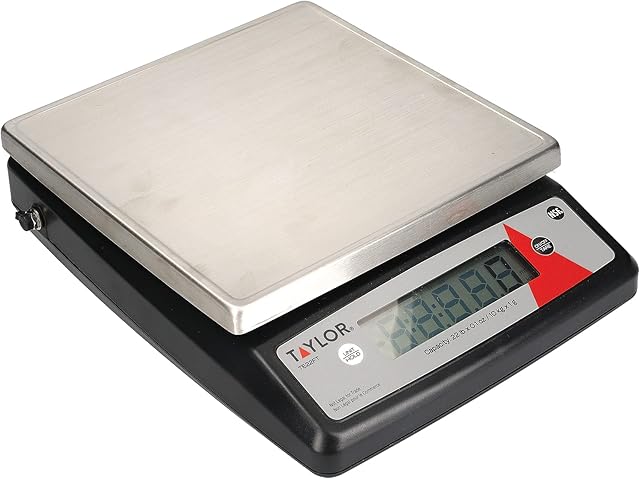

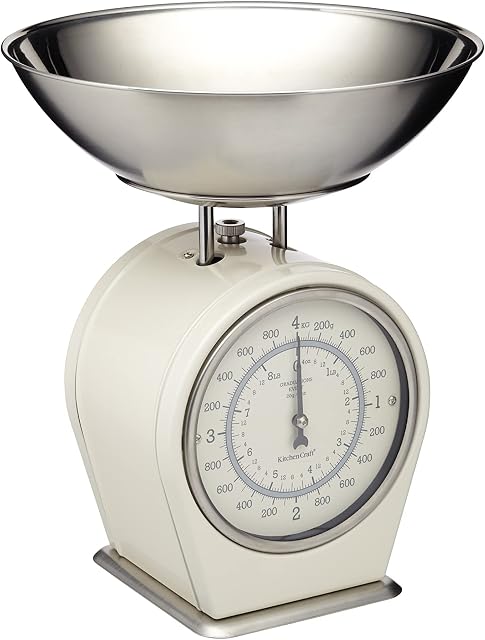

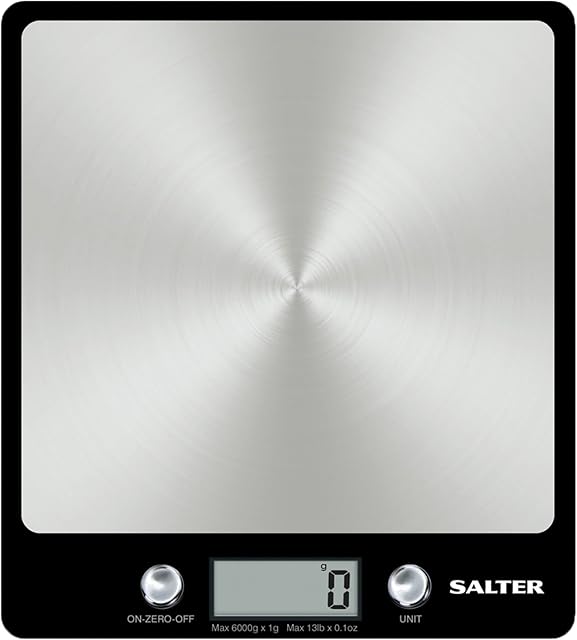


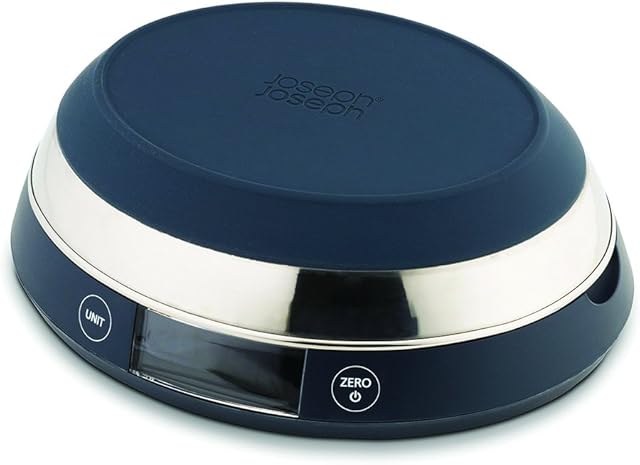
When it comes to cooking, measuring ingredients is crucial. Without a proper kitchen scale, you may end up with under- or over-cooked dishes that can ruin your mealtime experience. In this blog post, we'll explore why choosing the right kitchen scale matters and how different types of scales work in various situations. We will also discuss some tips for selecting an ideal kitchen scale based on factors such as size, accuracy, price range, and ease of use.
There are several types of kitchen scales available that cater to varying needs. Here's a brief overview of each type:
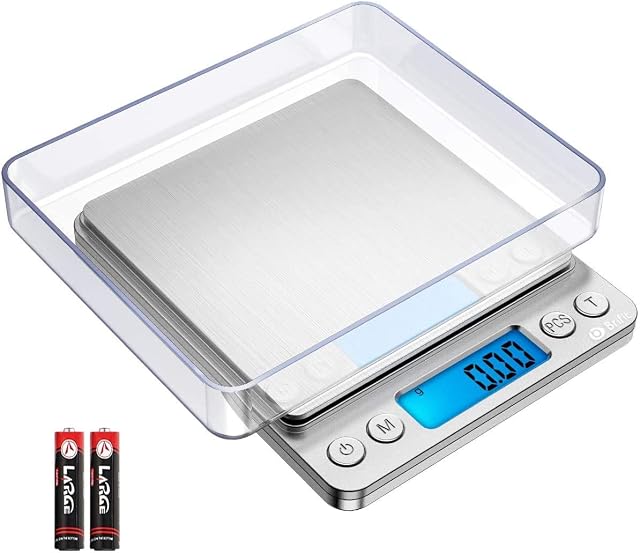
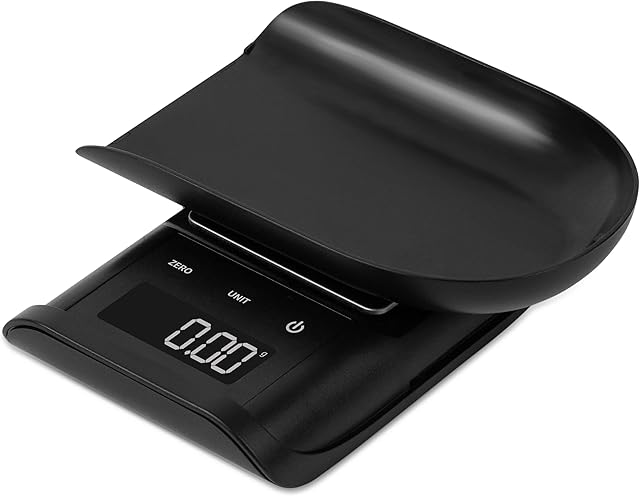
1. Digital Scale - These digital scales offer precise measurements with an LCD display for easy reading. They can be used in both metric and imperial systems, making them versatile tools for measuring ingredients. Some popular brands include Omini, Weigh-Tronix, and Salter.
2. Analog Scales - Analog kitchen scales are a classic choice that provide reliable readings without the need to read from an LCD display. They can be used in both metric and imperial systems but may require more maintenance than digital models. Some popular brands include KitchenAid, Breville, and Weigh-Tronix.
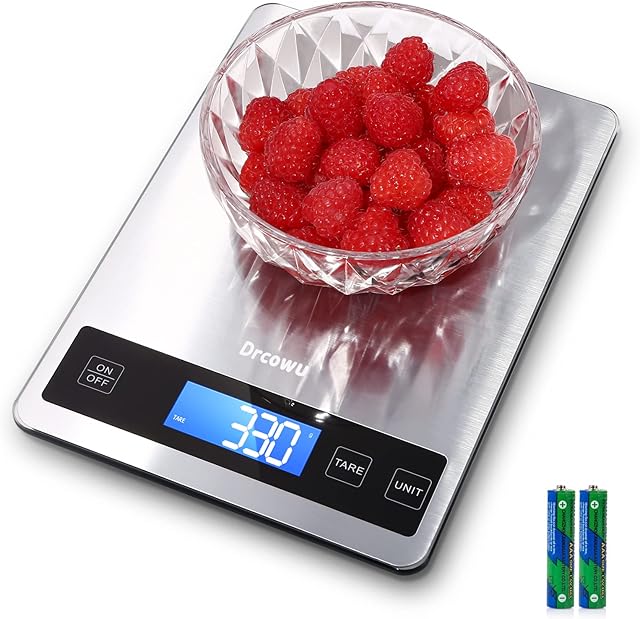
3. Stainless Steel Scales - These scales are made of stainless steel for durability and resistance against corrosion. The weight capacity is typically around 5 to 10 pounds (2.5 to 4.9 kg), making them ideal for larger recipes or when cooking with a large amount of ingredients. Some popular brands include Salter, Weigh-Tronix, and KitchenAid.
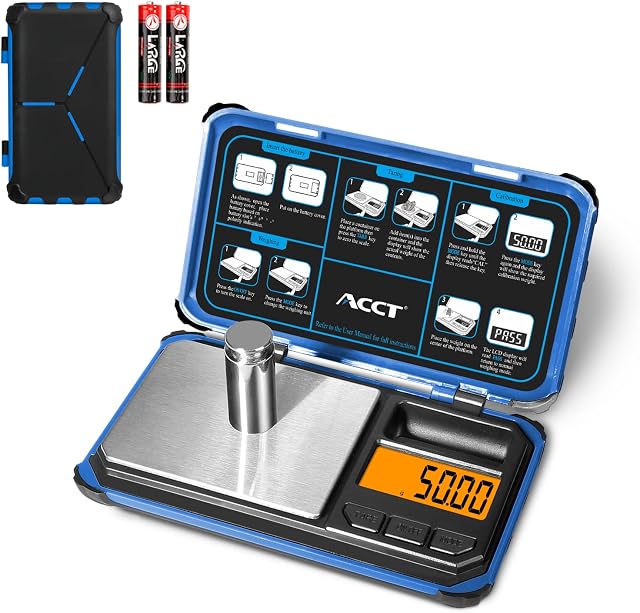
4. Digital Pocket Scales - These scales are compact in size but offer high accuracy readings due to their digital readouts. They can be used on the go while measuring out ingredients or for small batches at home. Popular brands like Omini, Breville, and Weigh-Tronix make pocket scale models available.
More listings from Kitchen Scales by experienced suppliers.