
Cheerleading
Shop Cheerleading products from multiple suppliers.


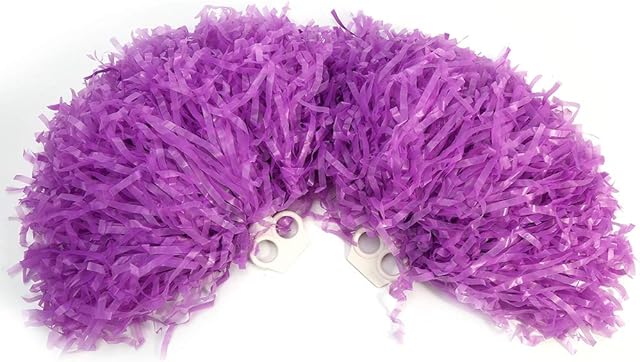


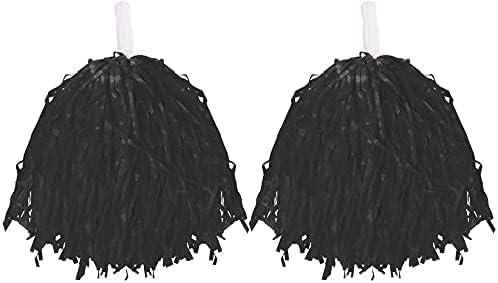


About Cheerleading
Cheerleading is more than just pom poms and flashy uniforms. It's a sport that requires dedication, teamwork, and athleticism. In recent years, cheerleading has gained recognition as a competitive sport, with teams competing at local, national, and even international levels. In this blog post, we will explore the world of cheerleading, its history, its benefits, and why it should be taken seriously as a sport.
Cheerleading has a long and fascinating history. It originated in the late 19th century in the United States, where it started as a way to support and cheer for sports teams. At that time, cheerleaders were primarily male, and their routines consisted of simple chants and cheers. However, as the popularity of cheerleading grew, it evolved into a more complex and athletic activity.
Today, cheerleading involves a wide range of skills, including tumbling, stunting, dancing, and jumping. Cheerleaders perform intricate routines that require strength, flexibility, and coordination. They train for hours each week to perfect their skills and execute their routines flawlessly. It's not just about looking pretty and waving pom poms; it's about showcasing athleticism and talent.
Cheerleading offers numerous physical and mental benefits. It's a full-body workout that helps improve strength, endurance, and flexibility. The intense training sessions build muscle and increase cardiovascular fitness. Cheerleaders learn how to perform complex stunts, which requires trust, communication, and teamwork. They develop strong bonds with their teammates and learn the value of cooperation and support.
Moreover, cheerleading promotes mental well-being. The physical demands of the sport release endorphins, which reduce stress and improve mood. Cheerleaders also learn to stay focused and composed under pressure, as they perform in front of large crowds and compete against other teams. The sport teaches discipline, time management, and goal-setting skills, which are valuable in all aspects of life.
Despite these benefits, cheerleading has often been overlooked and dismissed as a mere sideline activity. Many people still perceive it as a hobby rather than a sport. However, this perception is changing, thanks to the growing recognition of competitive cheerleading. Cheerleading competitions have become increasingly popular, attracting large audiences and media attention. These competitions showcase the incredible skills and athleticism of cheerleaders, challenging the notion that cheerleading is not a sport.
Competitive cheerleading requires rigorous training and dedication. Teams spend countless hours perfecting their routines, working on their synchronization, and pushing their limits. They train like athletes, following strict fitness regimens and practicing their skills repeatedly. The level of athleticism and technicality in competitive cheerleading is comparable to other recognized sports such as gymnastics and dance.
Furthermore, cheerleading has become an inclusive sport, welcoming participants of all genders and abilities. Co-ed teams have become increasingly common, breaking down gender stereotypes and promoting equality. Many cheerleading organizations have also created divisions for individuals with disabilities, allowing them to showcase their skills and be part of a team. This inclusivity is a testament to the evolving nature of cheerleading and its commitment to diversity.
Cheerleading is not without its risks. Like any sport, there is a possibility of injury, especially during stunting and tumbling. However, cheerleading organizations have taken significant steps to prioritize safety. Coaches and teams are trained in proper techniques and spotting, and mats and safety equipment are used to minimize the risk of injury. Athletes are encouraged to warm up and stretch before practices and competitions, and strict rules and guidelines govern the execution of stunts to ensure safety.
In conclusion, cheerleading is a sport that deserves recognition and respect. It requires physical strength, skill, and dedication, and offers numerous benefits to its participants. The growing popularity of competitive cheerleading has challenged the perception of cheerleading as a sideline activity, showcasing its athleticism and talent. Cheerleading is an inclusive sport that welcomes individuals of all genders and abilities, promoting equality and diversity. So, the next time you see a cheerleader with their pom poms, remember that they are more than just accessories – they are athletes who deserve our admiration and support.
More from Cheerleading
More listings from Cheerleading by experienced suppliers.


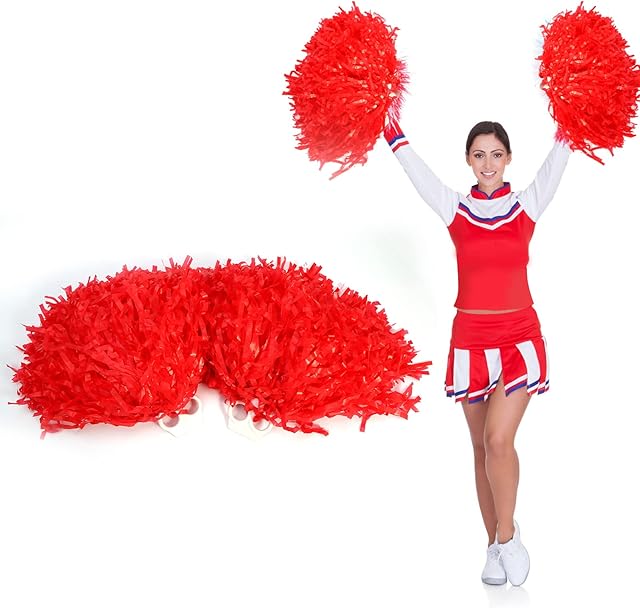

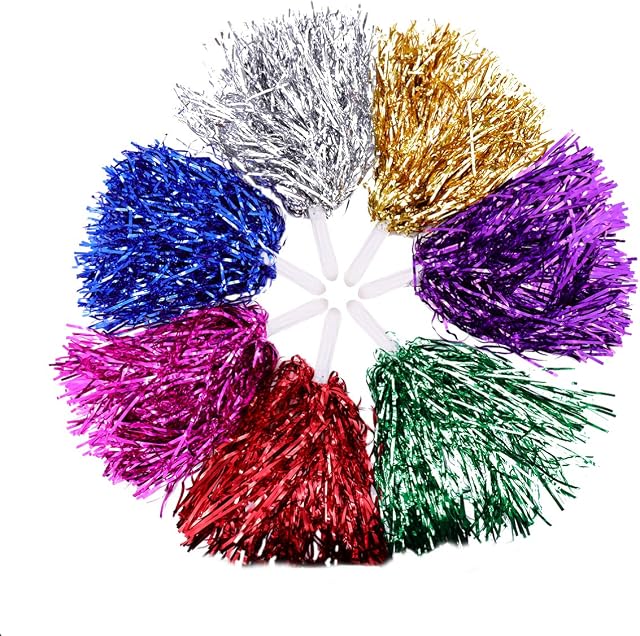

Browse other categories
Explore more from Sports
- Golf
- Billiards & Pool
- Basketball
- Water Sports
- Cycling
- Football
- Gymnastics
- Skates, Skateboards & Scooters
- Boxing
- Martial Arts
- Airsoft
- Cricket
- Archery
- Tennis
- Volleyball
- Winter Sports
- Baseball
- Running
- Rugby
- Badminton
- Lawn Games
- Table Tennis
- Darts & Dartboards
- American Football
- Squash
- Equestrian
- Netball
- Hockey
- Triathlon
- Bowling
- Track & Field
- Ballet & Dancing
- Paddle Tennis
- Handball
- Snooker
- Fencing
- Lacrosse
- Futsal
- Rodeo
- Roller Hockey