9% OFF
Shop Glassware products from multiple suppliers.



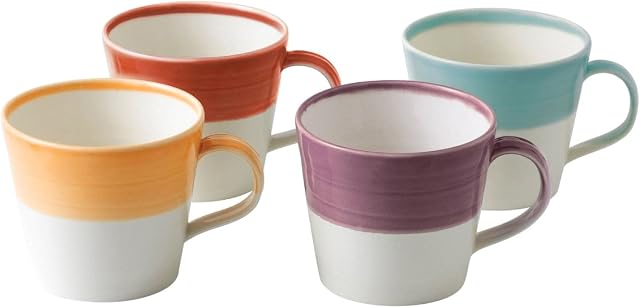
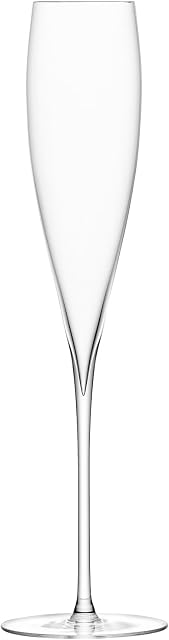


Drinking cups, mugs, and other glassware are essential for enjoying your favorite beverages. However, they can also be a source of germs if not cleaned properly after use. In this blog post, we will discuss the importance of cleaning drinking glasses to prevent bacteria growth in them. We'll cover how to clean different types of cups such as ceramic mugs and stainless steel mugs with ease using common household cleaners like vinegar or lemon juice.
Cleaning Ceramic Mugs: Cleaning a ceramic mug is easy, but it's essential that you use the right cleaning method for your type of glassware. For example, if you have a white ceramic mug, avoid using soap and water as they can cause discoloration to the surface. Instead, opt for warm or hot water with vinegar or lemon juice. You'll need about 1 tablespoon of each liquid per cup.
Cleaning Stainless Steel Mugs: Cleaning stainless steel mugs is also easy but requires a different cleaning method than ceramic cups. For example, if you have a mug made from porcelain, use warm water and white vinegar to clean it thoroughly. If the mug has been used for coffee or tea, avoid using soap as it can cause staining on the surface of the cup.
Cleaning Plastic Mugs: Cleaning plastic mugs is also easy but requires caution when cleaning them with hot liquids like boiling water. Avoid pouring boiling water directly into a plastic mug and instead use warm water to clean your drinking glassware. You'll need about 1 tablespoon of white vinegar per cup, or you can add lemon juice for an extra burst of flavor.
Cleaning Glasses: Cleaning glasses is essential after each use as it prevents bacteria growth in them that could cause a health hazard if consumed by someone else. To clean your glassware, first rinse the mug with hot water and then fill it up with warm or boiling water mixed with white vinegar to create an acidic solution. Let the mixture sit for about 10 minutes before rinsing off any remaining residue using hot water.
Cleaning Cups: Cleaning cups is also essential after each use as bacteria can grow in them that could cause a health hazard if consumed by someone else. To clean your cup, first rinse it with warm or boiling water mixed with white vinegar to create an acidic solution. Let the mixture sit for about 10 minutes before rinsing off any remaining residue using hot water.
Properly cleaning drinking glasses is essential as they can harbor bacteria that could cause a health hazard if consumed by someone else. It's recommended to use warm or boiling water mixed with white vinegar, and avoid soap-based cleaners like dish detergent on ceramic mugs. If you have plastic cups, be careful when using hot liquids such as coffee or tea in them. Always rinse your glassware thoroughly after each use to prevent bacteria growth that could cause a health hazard if consumed by someone else.
More listings from Glassware by experienced suppliers.