32% OFF
Shop White products from multiple suppliers.





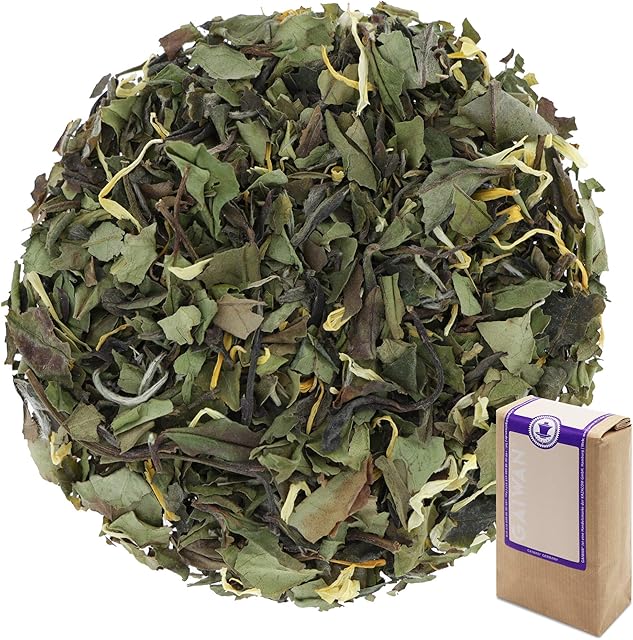
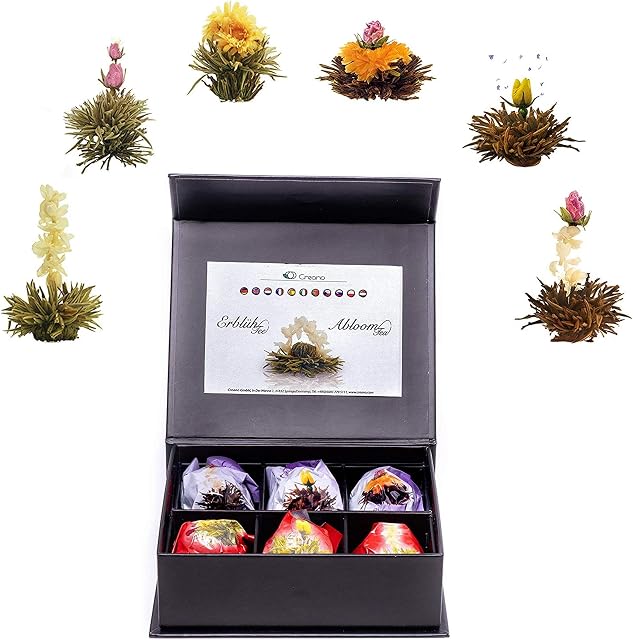
White tea is a delicate and luxurious beverage that has been enjoyed for centuries. Its subtle flavor and numerous health benefits have made it a favorite among tea enthusiasts worldwide. In this blog post, we will explore the origins, brewing techniques, and health benefits of white tea.
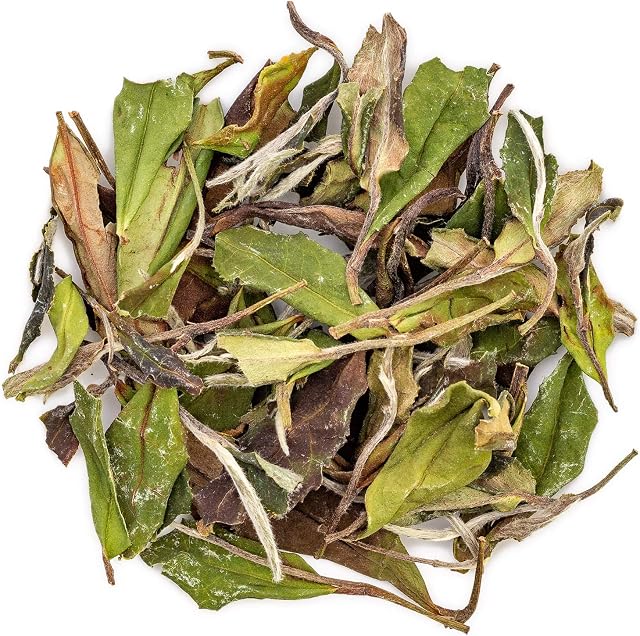
Originating from the Fujian province in China, white tea is made from the young leaves and buds of the Camellia sinensis plant. It is the least processed among all tea varieties, which contributes to its unique flavor and light color. The leaves are plucked and withered in natural sunlight, allowing them to retain their natural antioxidants and delicate flavor.
One of the distinguishing features of white tea is its light and delicate flavor profile. It has a subtle, slightly sweet taste that is often described as floral or fruity. Unlike black or green tea, white tea lacks the strong and robust flavors that can sometimes be overpowering. This makes it a perfect choice for those who prefer a milder tea experience.
To fully appreciate the flavors of white tea, it is important to brew it correctly. Unlike other tea varieties, white tea requires a lower water temperature and shorter steeping time. The ideal water temperature for brewing white tea is around 175°F (80°C). Steeping the tea leaves for too long can result in a bitter taste, so it is best to steep white tea for only 2-3 minutes. This will allow the delicate flavors to infuse into the water without becoming overpowering.
The health benefits of white tea are another reason why it has gained popularity in recent years. Like other teas, white tea is rich in antioxidants called polyphenols. These antioxidants help protect the body against free radicals, which are harmful molecules that can damage cells and contribute to aging and diseases such as cancer. The high levels of polyphenols in white tea have been linked to a reduced risk of chronic diseases, including heart disease and certain types of cancer.
White tea is also known for its potential weight loss benefits. It contains catechins, which are natural compounds that can boost metabolism and aid in fat burning. Studies have shown that regularly consuming white tea can help reduce body weight and body fat. Additionally, white tea has been found to have anti-inflammatory properties, which can help reduce the risk of chronic inflammation and related diseases.
In addition to its health benefits, white tea is also a great choice for those looking to reduce their caffeine intake. Compared to black or green tea, white tea contains less caffeine. This makes it a suitable option for individuals who are sensitive to caffeine or prefer a milder stimulant effect. The lower caffeine content also means that white tea can be enjoyed throughout the day without interfering with sleep or causing jitters.
When it comes to white tea, there are various types and blends to choose from. Silver Needle is one of the most popular and highly regarded varieties of white tea. It is made from the unopened buds of the tea plant and is known for its delicate flavor and silver-colored buds. Other common types of white tea include Bai Mu Dan (White Peony) and Gong Mei (Tribute Eyebrow). Each type has its own unique flavor profile and characteristics, allowing tea enthusiasts to explore and discover their preferred taste.
In conclusion, white tea is a delightful beverage with a delicate flavor and numerous health benefits. Its light and subtle taste make it a perfect choice for those who prefer a milder tea experience. The brewing techniques for white tea require lower water temperature and shorter steeping time to fully appreciate its flavors. With its high antioxidant content, white tea offers protective health benefits and may aid in weight loss. Whether you are a tea connoisseur or simply looking for a soothing and beneficial drink, white tea is definitely worth exploring.
More listings from White by experienced suppliers.