18% OFF
Shop Indoor Compost Bins products from multiple suppliers.


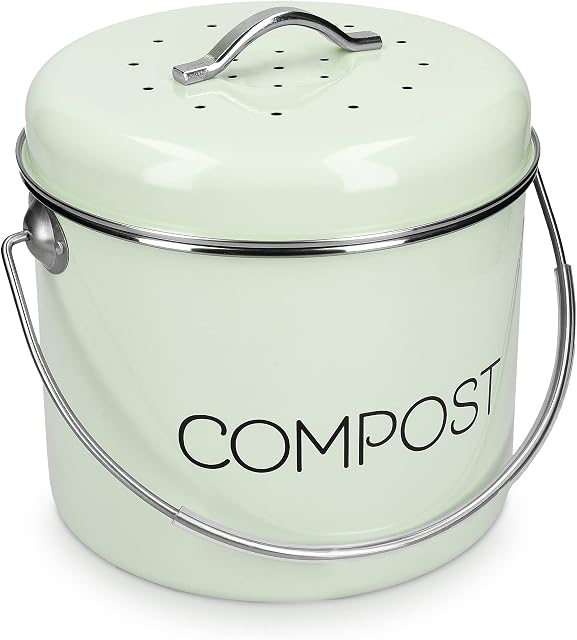

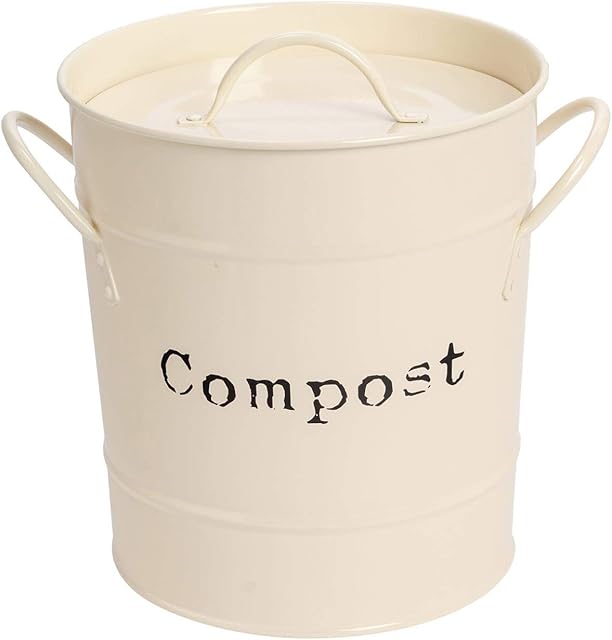


Composting is an excellent way to reduce waste and divert food scraps from landfills. It's a great way to turn organic waste into nutrient-rich soil for gardening, landscaping, and other outdoor activities. Indoor compost bins are designed to make the process more convenient and accessible to people who live in apartments or have limited space in their homes. In this blog post, we will explore the benefits of indoor composting and provide a guide on how to choose an appropriate indoor compost bin for your needs.
Benefits of Indoor Composting:
1. Reduces Waste: By composting food scraps, you can reduce the amount of waste that goes into landfills or incinerators. This is especially important if you have limited space in your home and want to divert waste from outdoor areas.
2. Creates Nutrient-Rich Soil: Composting turns organic waste into nutrient-rich soil that can be used for gardening, landscaping, and other outdoor activities. The resulting compost has a high percentage of nitrogen, which is essential for plant growth.
3. Conserves Resources: Composting uses minimal resources compared to traditional landfilling or incineration. It also reduces the need for transportation of waste to landfills or incinerators.
4. Saves Money: Composting can save you money by reducing the amount of trash you have to buy, and by reducing your overall waste management costs.
5. Promotes Sustainability: By composting, you are contributing to a more sustainable environment by diverting organic waste from landfills and reducing greenhouse gas emissions.
Guide on Choosing an Indoor Compost Bin:
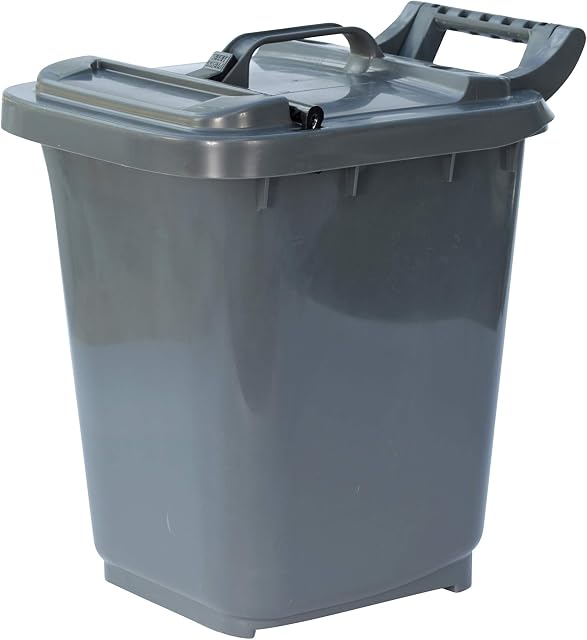
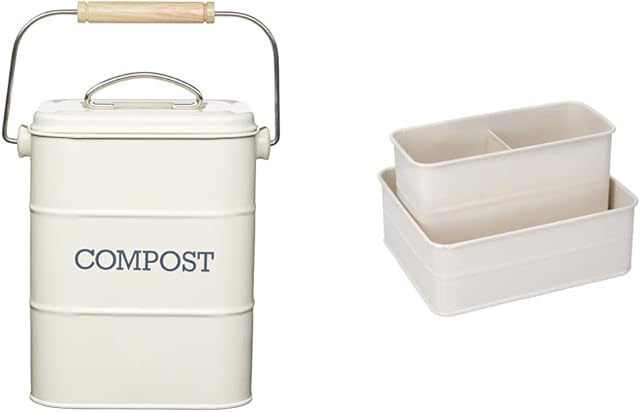
1. Size: Consider the size of your home or apartment and choose a bin that is appropriate for your space. A larger bin may be necessary if you have limited space, while a smaller bin may be more suitable for a studio apartment.
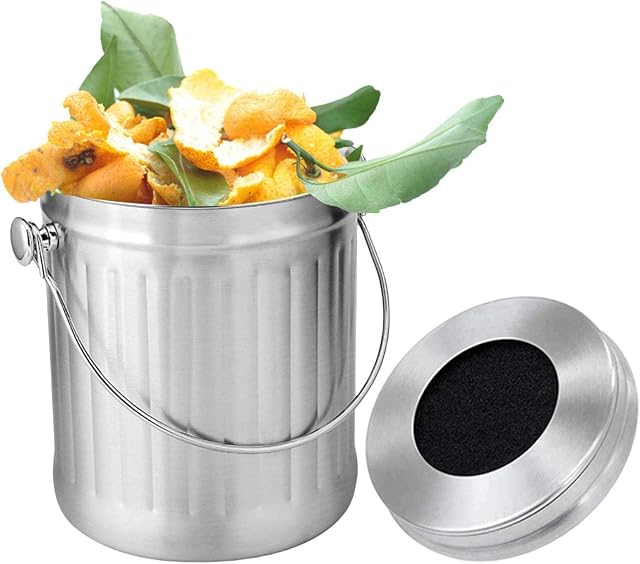
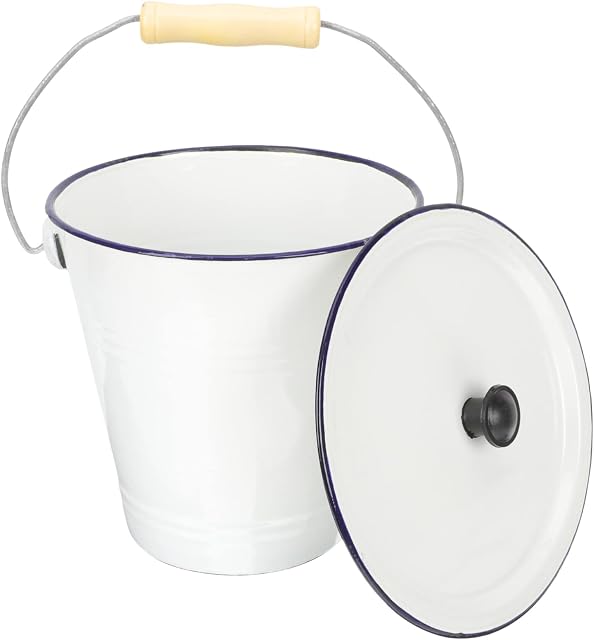
2. Material: Choose a compost bin made of durable materials such as stainless steel, plastic, or glass to ensure longevity and durability. Avoid bins made of fragile materials that can easily break or crack.
3. Capacity: Determine the amount of food scraps you want to compost each week and choose a bin with a suitable capacity for your needs. A good rule of thumb is to use one-third of your total waste output in a single bin per week.
4. Composting Time: Choose a bin that allows for easy composting time, such as a slow-release carbon filter or a composting chamber that provides oxygen and moisture for the food scraps to break down more quickly.
5. Lid Design: Look for a lid that is easy to clean and has a tight seal to prevent air leaks and keep the compost moist. Avoid lids with gaps or holes that can allow air to escape, which can slow down the composting process.
6. Compost Filter System: Choose a bin with a carbon filter system that helps eliminate bad smells and odors from the compost. This is especially important if you have pets or people who use your home.
7. Color and Design: Consider the color and design of your bin to match your home decor and make it easy to find in your pantry or storage area.
Indoor composting is an excellent way to reduce waste, create nutrient-rich soil, conserve resources, save money, and promote sustainability. By choosing a suitable indoor compost bin, you can easily divert food scraps from landfills and reduce your overall waste management costs.
More listings from Indoor Compost Bins by experienced suppliers.