
Bits
Shop Bits products from multiple suppliers.

About Bits
Bits are an essential piece of equipment for any horse rider. They play a crucial role in communication between horse and rider, allowing for precise control and direction. There are various types of bits available on the market, each designed with a specific purpose in mind. In this blog post, we will explore the different types of bits and their functionalities to help you make an informed decision when choosing the right bit for your horse.
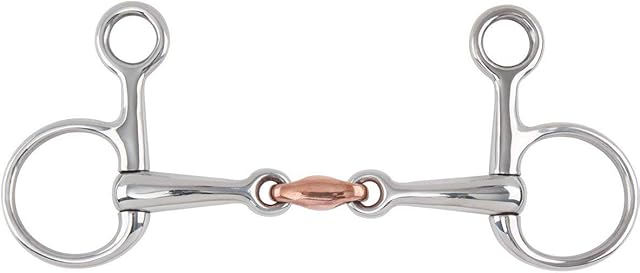
One popular type of bit is the Shires Hanging Cheek Copper Lozenge Snaffle. This bit features a copper lozenge in the center, which encourages salivation and promotes a soft and supple mouth. The hanging cheek design allows for more stability and control, making it an excellent choice for horses that require a bit of extra guidance. The copper material is known for its warmth and sweetness, making it appealing to horses and encouraging them to accept the bit more readily.
Another option to consider is the Shires Blue Sweet Iron Loose Ring with Mullen Mouth. This bit is made from blue sweet iron, which oxidizes when in contact with moisture, creating a sweet taste that horses find palatable. The loose ring design allows for more movement, giving the horse the freedom to move their jaw comfortably. The mullen mouthpiece provides a mild and even pressure, making it suitable for horses with a sensitive mouth or those just learning to accept the bit.
If you're looking for a bit with a slightly different design, the Shires Hanging Cheek French Link Snaffle might be the right choice for you. This bit features a French link, which consists of two jointed pieces that lie flat against the horse's tongue. This design helps to reduce the pressure on the tongue, making it more comfortable for horses with a sensitive mouth. The hanging cheek design provides stability and control, making it suitable for horses that need a bit of extra guidance.
When choosing a bit for your horse, it's essential to consider their individual needs and preferences. Some horses may have a more sensitive mouth and require a milder bit, while others may need a bit with more control and stability. It's also important to ensure that the bit fits correctly, as an ill-fitting bit can cause discomfort and hinder communication between horse and rider.
It's worth noting that bits should be used as a tool for communication and not as a means of control. Proper training and riding techniques are equally important in establishing a harmonious relationship with your horse. A bit should never be used to force a horse into submission or as a way to mask underlying training issues. Instead, it should be used as a means of clear and effective communication between horse and rider.
In addition to choosing the right bit for your horse, it's crucial to maintain proper bit hygiene. Bits should be cleaned regularly to remove any buildup of saliva, food particles, or dirt. This not only keeps the bit in good condition but also ensures the comfort and well-being of your horse. Warm water and mild soap are usually sufficient for cleaning, but specialized bit cleaners are also available on the market.
Lastly, it's essential to regularly check your horse's mouth for any signs of discomfort or irritation. Look for signs such as rubbing, sores, or excessive salivation, as these may indicate a problem with the bit or the fit. If you notice any issues, it's best to consult with a knowledgeable equine professional who can help assess the situation and recommend appropriate solutions.
In conclusion, bits are a vital piece of equipment for horse riders, allowing for clear and effective communication between horse and rider. There are various types of bits available, each designed with a specific purpose in mind. When choosing a bit, consider your horse's individual needs and preferences, ensuring a proper fit and maintaining good hygiene. Remember, a bit should be used as a tool for communication, not as a means of control. By choosing the right bit and using it responsibly, you can enhance your riding experience and build a stronger bond with your horse.