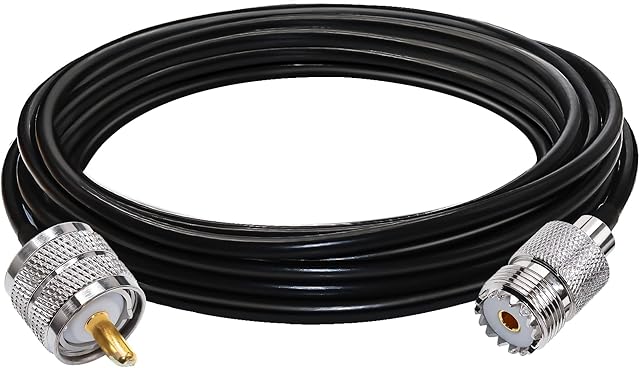
Coaxial Cables
Shop Coaxial Cables products from multiple suppliers.
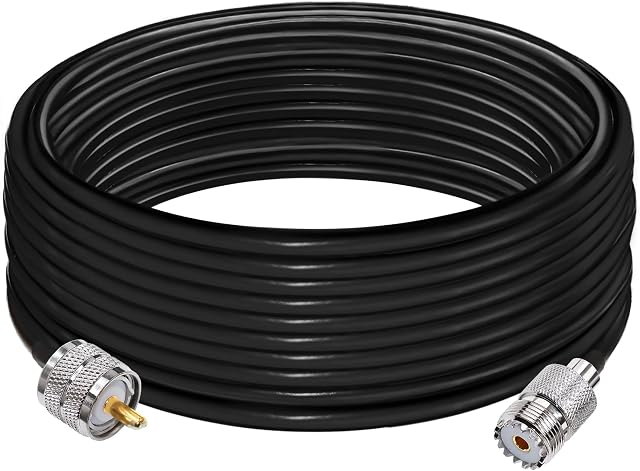

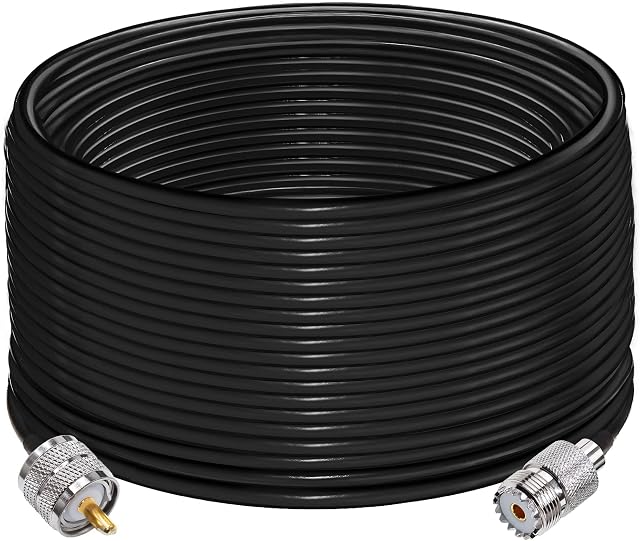


About Coaxial Cables
Coaxial Cables: A Comprehensive Guide to Wiring & Connecting
When it comes to setting up a network or wiring electrical connections, one of the most crucial components is the choice of cables. And in this regard, coaxial cables have been a popular choice for decades. Coaxial cables are used in a wide range of applications, from television and internet connections to security systems and telecommunications. In this blog post, we will take a closer look at coaxial cables, their types, and their applications.
What are Coaxial Cables?
Coaxial cables, also known as coax cables, are designed to transmit high-frequency signals with low loss. They consist of a central conductor, an insulating layer, a metallic shield, and an outer insulating layer. The central conductor carries the signal, while the metallic shield provides protection against interference. This construction helps prevent signal loss and ensures efficient transmission.
Types of Coaxial Cables
Coaxial cables come in various types, each designed for specific applications. Let's explore some of the most common types of coaxial cables:
1. RG-6: RG-6 cables are widely used for cable television and internet connections. They have a thicker center conductor and better shielding, making them ideal for longer cable runs and higher frequencies.
2. RG-11: RG-11 cables are similar to RG-6 cables but have a larger diameter and even better shielding. They are commonly used for satellite and high-definition television installations.
3. RG-59: RG-59 cables were once the standard for analog video connections. However, they have been largely replaced by RG-6 cables due to their higher loss and limited bandwidth.
4. RG-8: RG-8 cables are thicker and designed for applications that require higher power transmission, such as amateur radio and CB radio.
Applications of Coaxial Cables
Coaxial cables find applications in various industries and settings. Let's explore some of the most common applications:
1. Television and Internet: Coaxial cables are extensively used to connect televisions to cable or satellite boxes. They are also used for high-speed internet connections, particularly in areas where fiber optic infrastructure is not available.
2. Security Systems: Coaxial cables are commonly used in security systems, including CCTV cameras and surveillance setups. Their ability to transmit video signals over long distances makes them an ideal choice for such applications.
3. Telecommunications: Coaxial cables are still widely used in telecommunications systems, particularly for long-distance and high-bandwidth data transmission. They are used for connecting cell towers, backbone networks, and data centers.
4. Radio Frequency (RF) Applications: Coaxial cables are essential in RF applications, including radio broadcasting, radar systems, and wireless communication. Their low loss and excellent shielding capabilities make them a preferred choice for RF transmission.
Choosing the Right Coaxial Cable
Selecting the right coaxial cable for your specific application is crucial to ensure optimal performance. Consider the following factors when choosing a coaxial cable:
1. Frequency Range: Determine the frequency range required for your application and choose a coaxial cable that can handle it. Higher frequencies generally require cables with better shielding and lower loss.
2. Cable Length: Longer cable runs may require cables with thicker center conductors and better shielding to minimize signal loss.
3. Environmental Factors: Consider the environmental conditions in which the cable will be used. For outdoor or exposed installations, choose cables with UV resistance and waterproofing features.
4. Connector Compatibility: Ensure that the connectors on the coaxial cable are compatible with your devices or connectors you plan to use. Common connectors include BNC, F-type, and N-type.
Coaxial cables are an integral part of our modern-day communication and connectivity systems. Their ability to transmit high-frequency signals with low loss makes them a reliable choice for various applications. Whether you're setting up a television connection, installing a security system, or establishing a telecommunications network, understanding the different types of coaxial cables and their applications will help you make an informed decision. So, next time you're working on a wiring or networking project, consider the coaxial cables that best suit your needs.