
Multiconductor Cables
Shop Multiconductor Cables products from multiple suppliers.


About Multiconductor Cables
Multiconductor Cables: The Backbone of Industrial Electrical Systems
In the world of industrial electrical systems, one component that plays a crucial role in ensuring seamless connectivity and efficient transmission of signals is multiconductor cables. These cables, also known as ribbon cables, are designed to carry multiple signals or power lines within a single cable assembly. They provide a convenient and space-saving solution for wiring and connecting various devices and equipment in industrial settings.
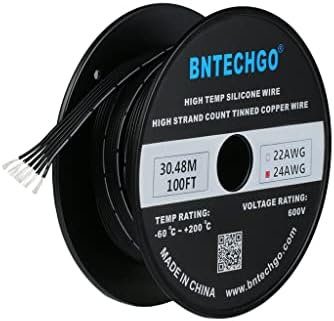
One popular example of multiconductor cables is the BNTECHGO 22 Gauge Silicone Ribbon Cable Flexible 2P Black 50 ft Flat Cable 22 AWG Strand Wire. This cable is specifically designed for flexibility and ease of installation. With its 22 gauge stranded wire and silicone insulation, it offers excellent conductivity and protection against harsh environmental conditions.
Another example is the BNTECHGO 22 Gauge Silicone Ribbon Cable Flexible 3P Black 5 ft Flat Cable 22 AWG Strand Wire. This cable, similar to the previous example, is also designed for flexibility and durability. It is ideal for applications that require the transmission of multiple signals within a compact space.
Multiconductor cables are widely used in various industrial applications, including industrial controls automation, device networking, and communication protocols such as DeviceNet, CANopen, IO Link, and Profibus. These cables are specifically designed to meet the requirements of these applications, ensuring reliable and efficient transmission of signals.
For instance, the HangTon M12 A Coding 4 Pin Female Actuator Sensor Signal Cable to Bare Wire is designed for industrial controls automation. It features a 4-pin female connector that allows for easy and secure connection to actuator sensors. With its durable construction and reliable performance, this cable is an essential component in industrial automation systems.
One of the key advantages of multiconductor cables is their space-saving design. By combining multiple wires or conductors into a single cable assembly, they eliminate the need for separate cables, saving valuable space in industrial settings. This compact design also simplifies installation and maintenance, reducing overall costs and improving efficiency.
Furthermore, multiconductor cables offer excellent signal integrity and noise immunity. They are specifically designed to minimize cross-talk and interference between different signals, ensuring reliable and accurate transmission. This is vital in industrial applications where signal integrity is crucial for proper functioning and safety.
In addition to their electrical properties, multiconductor cables also offer mechanical durability. They are designed to withstand harsh industrial environments, including temperature extremes, moisture, and vibration. This ensures reliable performance and longevity, even in demanding conditions.
When choosing multiconductor cables for industrial applications, it is important to consider factors such as cable length, wire gauge, insulation material, and connector types. These factors depend on the specific requirements of the application, including the distance between devices, power requirements, and environmental conditions.
In conclusion, multiconductor cables are an essential component in industrial electrical systems. They provide a convenient and space-saving solution for wiring and connecting various devices and equipment. With their flexibility, durability, and excellent signal integrity, multiconductor cables ensure reliable and efficient transmission of signals in industrial applications. Whether it's for industrial controls automation, device networking, or communication protocols, these cables play a crucial role in keeping industrial systems running smoothly. So, next time you come across a multiconductor cable, remember its importance in powering and connecting the industrial world.