
Chainrings
Shop Chainrings products from multiple suppliers.




About Chainrings
Chainrings: Everything You Need to Know
If you're a cycling enthusiast, you know that every component of your bike plays a crucial role in delivering a smooth and efficient ride. One such component that often goes unnoticed but is essential for transmitting power from your pedals to the wheels is the chainring. In this blog post, we will dive deep into the world of chainrings and explore their types, functions, and importance in enhancing your cycling experience.
What are Chainrings?
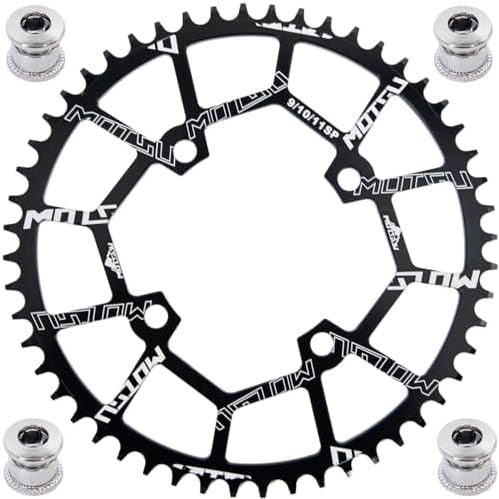
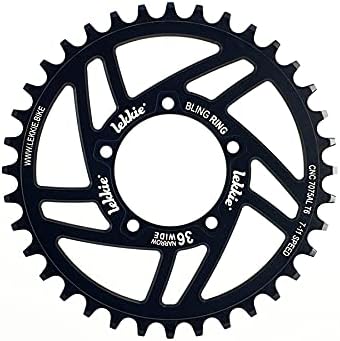
Chainrings are the toothed discs attached to the crankset of your bike. When you pedal, the chain engages with these teeth, transferring power to the rear wheel, propelling you forward. Chainrings are available in various sizes and designs, each serving a specific purpose and catering to different riding styles and terrains.
Types of Chainrings
1. Standard Chainrings: These are the most common type of chainrings found on road bikes. They typically come in sizes ranging from 39 to 53 teeth and are designed for smooth and efficient pedaling on flat terrain. Standard chainrings provide a good balance between speed and power.
2. Compact Chainrings: Compact chainrings have gained popularity in recent years, especially among recreational and endurance cyclists. They feature smaller sizes, usually 34 to 36 teeth, which make climbing hills easier by providing a lower gear ratio. Compact chainrings are ideal for riders who frequently tackle steep inclines or prefer a more relaxed riding style.
3. Triple Chainrings: Triple chainrings consist of three chainrings on the crankset, typically with sizes ranging from 30 to 52 teeth. These chainrings offer the widest range of gear ratios, making them suitable for riders who frequently encounter both steep climbs and fast descents. Triple chainrings are commonly found on touring and mountain bikes.
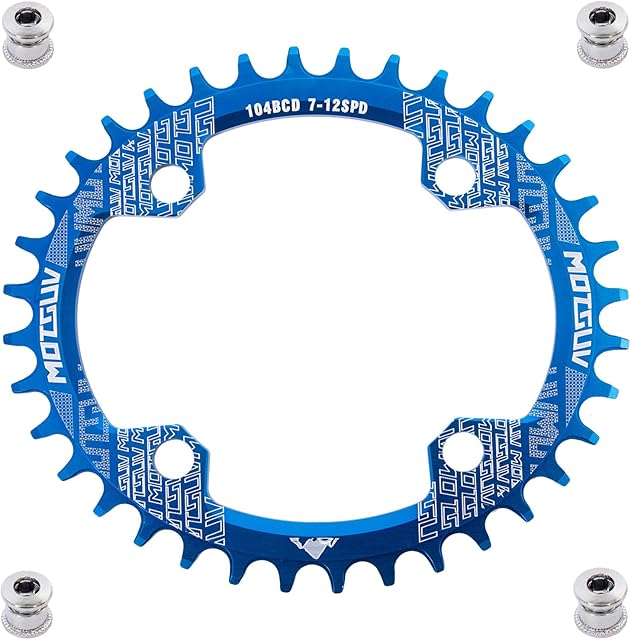
4. Oval Chainrings: Oval chainrings, also known as elliptical chainrings, have a unique shape that deviates from the traditional round design. The idea behind oval chainrings is to optimize power delivery by varying the resistance during different phases of the pedal stroke. Advocates claim that oval chainrings can enhance pedaling efficiency, reduce fatigue, and improve overall performance.
Choosing the Right Chainring
Selecting the right chainring for your bike depends on various factors, including your riding style, terrain, and personal preferences. Here are some key considerations to keep in mind:
1. Terrain: If you frequently ride on hilly terrains, opting for a compact or triple chainring setup can provide the necessary low gears for climbing steep gradients. On the other hand, if you mainly ride on flat roads or prioritize speed, a standard chainring may be more suitable.
2. Riding Style: Your riding style and goals also play a role in determining the ideal chainring setup. If you are a competitive rider looking to maximize power output, a standard or oval chainring can help you achieve higher speeds. For recreational riders or those seeking more comfort, compact chainrings offer easier pedaling and a wider range of gears.
3. Compatibility: It is essential to ensure that the chainring you choose is compatible with your bike's crankset and drivetrain. Pay attention to factors such as bolt pattern, number of teeth, and the type of drivetrain (e.g., 9-speed, 10-speed, etc.). Consulting a bike mechanic or referring to the manufacturer's guidelines can help you make the right choice.
Maintaining Your Chainring
Proper maintenance of your chainring is crucial for its longevity and optimal performance. Here are a few tips to keep in mind:
1. Regular Cleaning: Clean your chainring regularly to remove dirt, grime, and debris that can affect its performance. Use a mild degreaser and a brush to scrub away any buildup, ensuring smooth operation.
2. Chain Lubrication: Apply chain lubricant to your chainring regularly to minimize friction and ensure smooth shifting. Be sure to wipe off any excess lubricant to prevent attracting dirt and debris.
3. Check for Wear: Over time, chainrings can wear down, especially if you frequently ride in harsh conditions. Check for signs of wear, such as bent or broken teeth, and replace the chainring if necessary. Regularly inspecting your chainring can prevent further damage to your drivetrain.
Chainrings may be small and often overlooked, but they play a vital role in optimizing your cycling experience. Choosing the right chainring for your bike can enhance your performance, improve comfort, and allow you to tackle various terrains with ease. Remember to consider factors such as terrain, riding style, and compatibility when selecting a chainring, and prioritize regular maintenance to ensure its longevity. So, the next time you hop on your bike, take a moment to appreciate the importance of this seemingly insignificant but essential component – the chainring.
More from Chainrings
More listings from Chainrings by experienced suppliers.




Browse other categories
Explore more from Components & Parts
- Saddles
- Pedals
- Handlebar Tape
- Brake Parts
- Shift Levers
- Kickstands
- Tubes
- Derailleurs
- Others
- Seat Posts
- Cranksets
- Grips
- Tyres
- Forks
- Chains
- Hubs
- Headsets
- Handlebars
- Brakes
- Shifters
- Screws
- Stems
- Cassettes & Freewheels
- Seat Clamps
- Headset Spacers
- Bottom Brackets
- Batteries
- Drivetrains
- Cables
- Wheels
- Bike Frames
- Chain guides
- Suspension
- Pegs
- Derailleurs & Parts
- Spokes