
Current Monitoring Relays
Shop Current Monitoring Relays products from multiple suppliers.

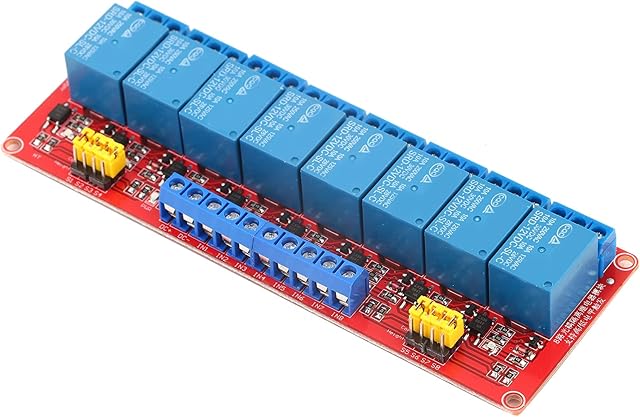
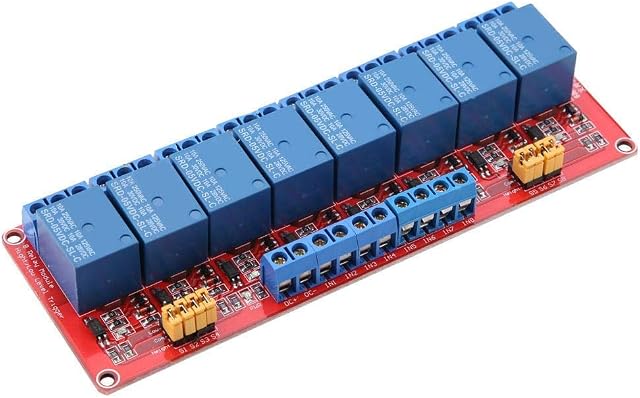

About Current Monitoring Relays
Current Monitoring Relays: Ensuring Safety and Efficiency in Industrial Electrical Systems
In the world of industrial electrical systems, safety and efficiency are of utmost importance. That's where current monitoring relays come into play. These small yet powerful devices play a crucial role in monitoring and controlling electrical currents, ensuring the smooth operation of machinery, and preventing potential electrical hazards.
What are Current Monitoring Relays?
Current monitoring relays, also known as current control relays or current protection relays, are electronic devices that monitor the flow of electrical current in a circuit. They are designed to detect abnormalities in current levels and trigger a response to protect the electrical system and the connected equipment.
These relays continuously monitor the current passing through a circuit and compare it to pre-set values. If the current exceeds or falls below the set limits, the relay will activate an alarm or trip the circuit, depending on the specific application. This timely response helps prevent equipment damage, production downtime, and even electrical accidents.
Importance of Current Monitoring Relays
In industrial settings, where heavy machinery and complex electrical systems are in operation, monitoring the current is vital for several reasons:
1. Equipment Protection: One of the primary functions of current monitoring relays is to protect electrical equipment from overload or underload conditions. By constantly monitoring the current levels, these relays can detect any abnormalities and shut down the circuit before any damage occurs.
2. Preventing Electrical Hazards: Faulty electrical currents can pose significant safety risks, such as electric shocks, fires, or explosions. Current monitoring relays play a crucial role in detecting and isolating faulty circuits, preventing potential hazards and ensuring the safety of workers and the facility.
3. Energy Efficiency: By monitoring the current levels, these relays can identify energy inefficiencies in electrical systems. Excessive current consumption or idle currents can be detected and addressed, leading to improved energy efficiency and reduced operating costs.
4. Troubleshooting and Maintenance: Current monitoring relays provide valuable data on the performance of electrical systems. By analyzing this data, technicians can diagnose any underlying issues, perform preventive maintenance, and optimize the system's overall performance.
Features and Types of Current Monitoring Relays
Current monitoring relays come in various types and offer different features to suit specific applications. Let's take a closer look at some common features and types of these relays:
1. Adjustable Current Range: Many relays allow users to set the desired current range for monitoring. This flexibility enables customization according to the specific requirements of the electrical system.
2. Trip Delay: Some relays offer a trip delay feature, allowing a brief surge in current without triggering an alarm or shutting down the circuit. This feature is useful in applications where momentary current spikes are expected but not necessarily indicative of a fault.
3. Communication Interfaces: Advanced current monitoring relays may come equipped with communication interfaces, such as RS485 or Wi-Fi, enabling remote monitoring and control. This feature is particularly beneficial in large industrial setups or distributed systems.
4. Multichannel Capability: Industrial electrical systems often require monitoring multiple circuits simultaneously. Multichannel current monitoring relays offer the convenience of monitoring multiple circuits from a single device, simplifying installation and reducing costs.
Common Applications of Current Monitoring Relays
Current monitoring relays find applications across a wide range of industries and electrical systems. Some common applications include:
1. Motor Control: Current monitoring relays are commonly used in motor control applications to protect motors from overload or underload conditions. They ensure that motors operate within the specified current range, preventing overheating and motor failure.
2. Electrical Panels: These relays are often installed in electrical panels to monitor the currents of individual circuits. They provide an added layer of protection by detecting abnormalities and preventing damage to the electrical system.
3. Power Distribution: Current monitoring relays play a crucial role in power distribution systems, ensuring that currents are distributed evenly across various circuits. They help balance the load and prevent overloading of individual circuits.
4. HVAC Systems: Heating, Ventilation, and Air Conditioning (HVAC) systems rely on current monitoring relays to protect compressors, fans, and other electrical components. By monitoring the current levels, these relays ensure the smooth operation of HVAC systems, preventing any potential damage.
Current monitoring relays are essential devices in industrial electrical systems, offering protection, efficiency, and peace of mind. By continuously monitoring the current levels, these relays help prevent equipment damage, electrical hazards, and unnecessary downtime. With their wide range of features and applications, current monitoring relays are indispensable tools for ensuring the safety and efficiency of industrial electrical systems.