32% OFF
Shop DJ Mixer products from multiple suppliers.


As the music industry continues to evolve, so do the tools used by DJs and VJs. With the rise of digital technology, there are now a wide variety of options available for those looking to mix audio in real-time. One popular option is the DJ mixer. In this blog post, we will explore what a DJ mixer is, how it works, and some key features to consider when selecting one for your needs.
What is a DJ Mixer?
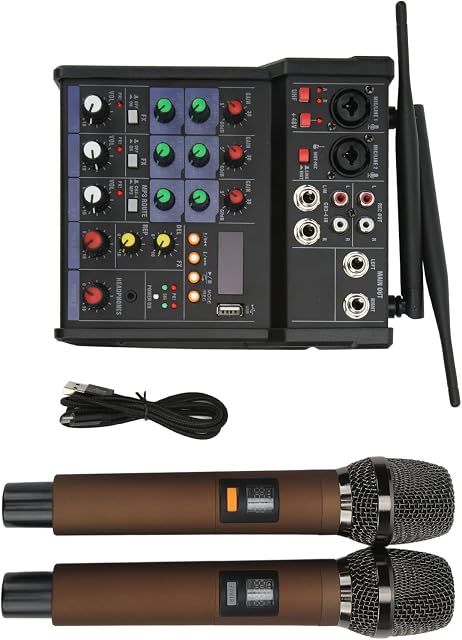
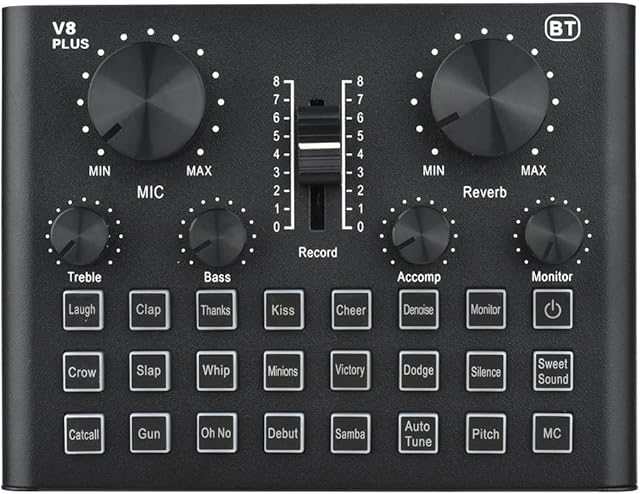
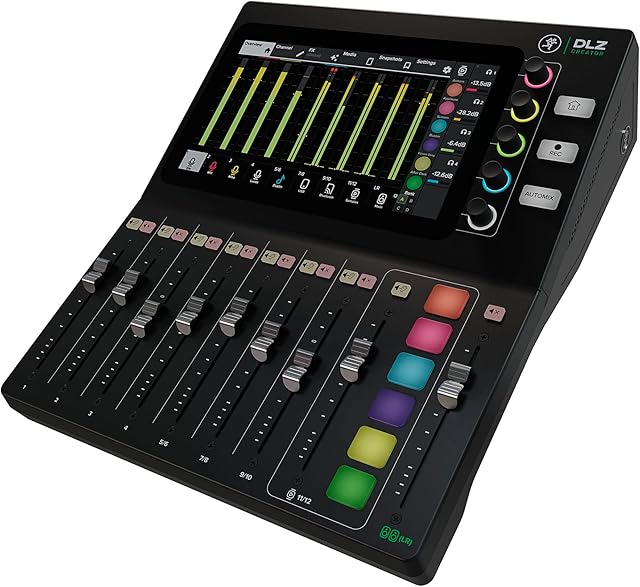
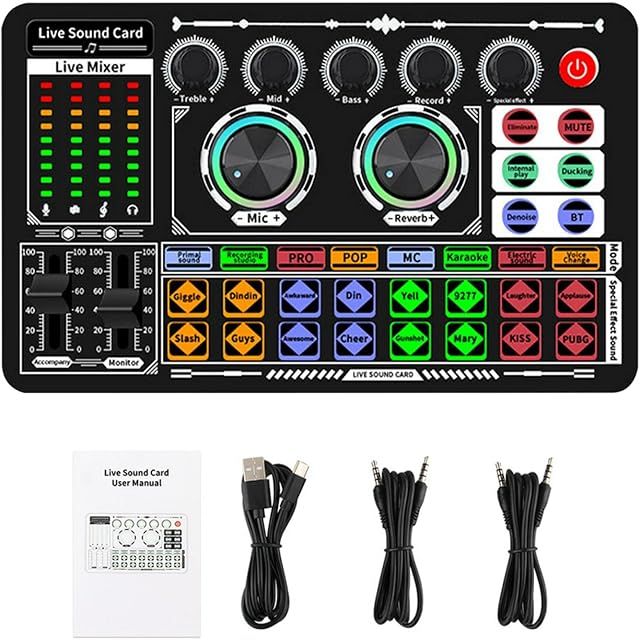
A DJ mixer is an electronic device that allows you to blend together multiple audio sources (such as CDs, vinyl records, or digital files) into a single output signal for live performance in clubs, bars, and other venues where music is played. The mixer has four channels (each with its own volume control and effects slot), allowing you to separately adjust the levels of different sounds.
How Does a DJ Mixer Work?
When you plug your audio sources into a DJ mixer, the device analyzes the incoming signal and creates a new output signal that is optimized for live performance. Each channel in the mixer has its own EQ (equalization) and reverb settings, which allow you to adjust the tone and ambiance of each sound. The mixer also includes effects like delay, chorus, and flanger, which can add texture and dynamics to your mixes.
Key Features to Consider When Selecting a DJ Mixer
When selecting a DJ mixer, there are several key features to consider. First, you'll want to look for a mixer with enough channels to accommodate all of the audio sources you plan to use. A good rule of thumb is to aim for at least four channels (one for each sound source). Additionally, you may want to consider factors like:
- Quality of build: Look for a mixer with sturdy construction and durable components that can withstand frequent use.
- Ease of operation: Consider how intuitive the controls are to use, especially if you're new to mixing.
- Compatibility: Make sure the mixer is compatible with your preferred audio software or hardware (such as Serato or Ableton Live).
- Effects options: Look for a mixer with enough effects slots to accommodate all of the sounds you plan to use (e.g. reverb, delay, chorus, flanger).
- Power source: Consider how portable the mixer is, and whether it requires batteries or can be powered by AC adapter.
- Price: DJ mixers can range from a few hundred dollars to several thousand, so it's important to find one that fits your budget and needs.
In conclusion, DJ mixers are an essential tool for anyone looking to perform live music in venues where audio is played. By considering factors like the number of channels, quality of build, ease of operation, effects options, power source, and price, you can select a mixer that meets your needs and helps you create dynamic and engaging performances.
More listings from DJ Mixer by experienced suppliers.