Granulate
Shop Granulate products from multiple suppliers.



About Granulate
Granulate: The Versatile Gardening Essential
When it comes to gardening, one of the key elements that often gets overlooked is the type of granulate used. Granulate, also known as granules, plays a crucial role in various gardening applications, providing benefits that go beyond just aesthetics. In this blog post, we will explore the different types of granulate available and how they can enhance your gardening experience.
Granulate is a loose, grainy material that is commonly used in gardening for its ability to improve soil drainage, retain moisture, and provide a stable base for plants. It is available in various forms, including clay granules, decorative gravel, horticultural potting grit, and vermiculite. Each type of granulate offers unique properties that cater to different gardening needs.
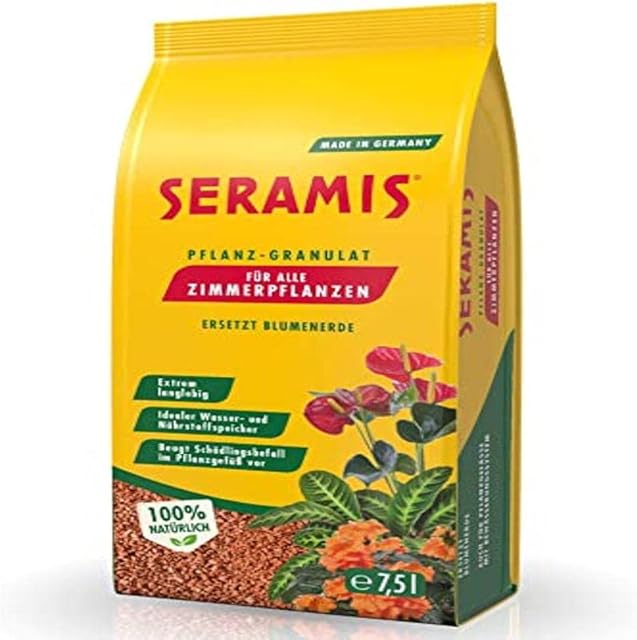
One popular type of granulate is clay granules. These granules are often used as a base in hydroponic systems due to their excellent drainage properties. They are also suitable for use as a drainage material in potted plants and can help prevent waterlogging. Clay granules, such as the Westland Hydroleca Clay Granules and the Seramis Clay Granules, are natural and free from chemical additives, making them an ideal choice for those who prefer organic gardening methods.
Decorative gravel is another type of granulate that is widely used in landscaping projects. These granules, like the 10mm Gold Decorative Garden Gravel by Jamieson Brothers, add a touch of elegance to outdoor spaces such as rockeries, pathways, and driveways. In addition to their visual appeal, decorative gravel also helps improve soil drainage and prevent erosion. They are available in different sizes and colors, allowing gardeners to create unique and eye-catching designs.
Horticultural potting grit, such as the Melcourt Horticultural Potting Grit, is a coarse granulate that is commonly used in potting mixes. Adding potting grit to soil or compost helps improve drainage and aeration, creating an optimal growing environment for plants. This type of granulate is particularly beneficial for plants that require well-drained soil, such as succulents and cacti. It also helps prevent soil compaction and allows for better root development.
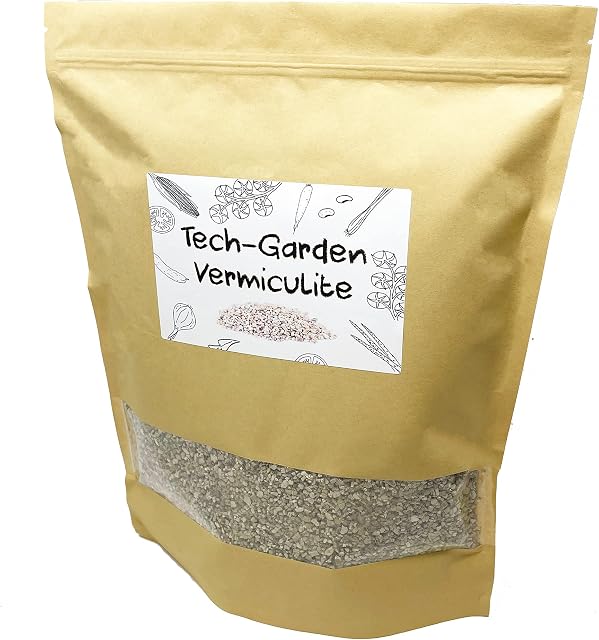
Vermiculite is a lightweight granulate that offers excellent moisture retention properties. It is often used as a hydroponic substrate or added to potting compost to improve water and nutrient retention. Vermiculite also provides thermal insulation for plant roots, protecting them from extreme temperatures. Premium quality vermiculite, like the one used for indoor and outdoor growing, ensures optimal growth and helps reduce the frequency of watering.
In addition to their specific benefits, granules in general offer a range of advantages for gardeners. They help maintain a healthy balance of air and water in the soil, preventing waterlogging and promoting root development. Granulate also acts as a barrier against weeds and pests, reducing the need for chemical interventions. Furthermore, granules can be easily mixed with other growing media, such as coco coir or potting compost, allowing gardeners to create custom blends tailored to their plant's needs.
To ensure the best results, it is essential to choose the right type of granulate for your gardening needs. Consider factors such as the specific requirements of your plants, the desired aesthetic effect, and the overall garden design. Whether you are looking to improve drainage, enhance visual appeal, or promote healthy plant growth, there is a granulate out there that can help you achieve your goals.
In conclusion, granulate is a versatile gardening essential that offers numerous benefits for both plants and gardeners. From clay granules to decorative gravel, horticultural potting grit, and vermiculite, there is a wide range of options to choose from. By incorporating granulate into your gardening routine, you can improve soil drainage, retain moisture, and create visually appealing landscapes. So, next time you embark on a gardening project, don't overlook the power of granulate.