
Picks
Shop Picks products from multiple suppliers.


About Picks
When it comes to gardening and landscaping, having the right tools is essential. One such tool that often goes overlooked but is incredibly useful is the pick. Picks are versatile hand tools that can be used for a wide variety of tasks in the garden and beyond. In this blog post, we will explore the different types of picks, their uses, and why every gardener should have one in their arsenal.
There are several types of picks available on the market, each designed for specific tasks. One of the most common types is the digging pick. This pick features a pointed end on one side and a broad, flat blade on the other. The pointed end is perfect for breaking up hard soil and digging holes, while the broad blade can be used for leveling and moving soil around. Digging picks are ideal for tasks such as planting trees, shrubs, or vegetables, as well as removing stubborn weeds.
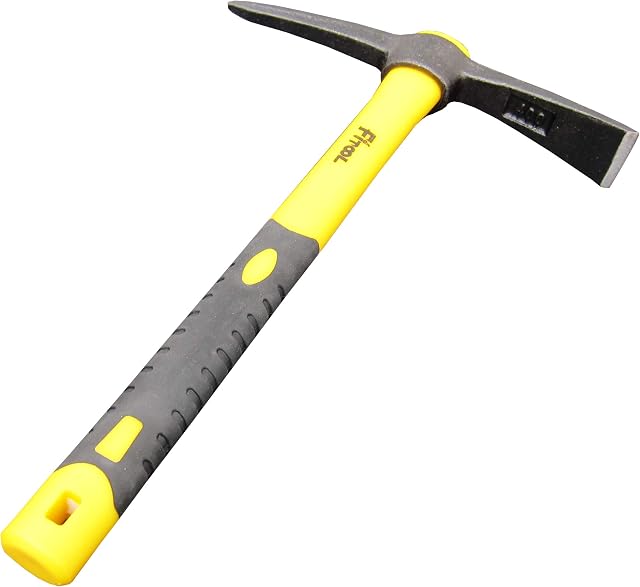
Another type of pick that is commonly used in gardening is the rock pick. As the name suggests, this pick is designed for breaking up rocks and hard surfaces. It features a chisel-like end that is perfect for prying rocks loose or breaking them into smaller pieces. Rock picks are particularly useful for gardeners who are dealing with rocky soil or need to clear a path or area of large rocks.
For those who are involved in landscaping or construction projects, the mattock pick is a valuable tool to have. This pick features a sharpened end on one side and an adze or hoe-like blade on the other. The sharpened end can be used for digging and breaking up compacted soil, while the adze blade is perfect for chopping roots and removing debris. Mattock picks are ideal for tasks such as trenching, digging ditches, or creating raised beds.
In addition to these specific types of picks, there are also multi-purpose picks available that combine features from different types. These picks are designed to be versatile and can handle a variety of tasks. They often feature a pointed end for digging and breaking up soil, as well as a flat blade for leveling and moving soil. Multi-purpose picks are a great option for gardeners who want a single tool that can handle a range of tasks.
Now that we've explored the different types of picks, let's discuss the various uses for these versatile tools. One of the primary uses of picks is for digging and breaking up soil. Whether you're planting new plants, creating a new garden bed, or simply preparing the soil for fertilization, a pick can make the job much easier. The pointed end of the pick allows you to break through hard or compacted soil, while the broad blade can be used to level and move the soil around.
Picks are also great for removing weeds and roots. The pointed end can be used to loosen the soil around the weed or root, making it easier to remove them entirely. This is particularly useful for stubborn weeds or invasive plant species that have deep roots. With a pick, you can dig around the root and pry it loose, ensuring that the entire root is removed and preventing regrowth.
In addition to gardening tasks, picks also have uses beyond the garden. For example, if you're planning a DIY project that involves digging or breaking up concrete, a pick can be a valuable tool. The sharp end of the pick can easily break through the concrete, allowing you to remove or modify it as needed. Picks can also be useful for construction projects, such as digging trenches or creating holes for fence posts.
Now that we understand the different types of picks and their uses, let's discuss why every gardener should have one in their arsenal. Firstly, picks are incredibly versatile tools that can handle a variety of tasks. By having a pick, you can save yourself the hassle and expense of purchasing multiple specialized tools. Instead, you can rely on a single tool that can handle everything from digging to leveling to breaking up rocks.
Secondly, picks can save you time and energy. With their pointed ends and sturdy blades, picks make quick work of tough gardening tasks. Whether you're digging a hole for a new plant or removing stubborn weeds, a pick can help you complete the task more efficiently. This means less time spent on manual labor and more time enjoying your garden.
Lastly, picks are durable and long-lasting tools. Made from high-quality materials such as steel or forged iron, picks are designed to withstand heavy use and abuse. This means that with proper care and maintenance, a pick can last for years, if not decades. Investing in a high-quality pick is a wise decision that will pay off in the long run.
In conclusion, picks are versatile hand tools that every gardener should have in their arsenal. Whether you're digging, leveling, breaking up rocks, or removing weeds, a pick can make these tasks much easier and more efficient. With the different types available, you can choose the pick that best suits your needs. So, if you're serious about gardening and landscaping, don't forget to add a pick to your collection of tools. It's a small investment that will yield big results.
Explore more from Hand Tools
- Bulb Planters
- Rakes
- Grass Shears
- Tool Sets
- Secateurs & Pruning Scissors
- Garden Twine & Twist Ties
- Forks
- Gardening Trowels
- Axe & Knife Sharpeners
- Sieves
- Hedge Shears
- Pick-Up Tools
- Hoes
- Axes
- Outdoor & Patio Brooms
- Shovels & Spades
- Post Hole Diggers
- Manual Weeders
- Loppers
- Cultivators & Tillers
- Manual Lawn Aerators
- Hand Edgers
- Spades
- Splitting Wedges
- Garden Tool Holders
- Gardening Knives
- Bonsai Tools
- Shovels
- Machetes
- Saws