Shovels
Shop Shovels products from multiple suppliers.
About Shovels
Shovels:
When it comes to gardening and landscaping, one tool that is essential for every gardener is a shovel. Shovels have been used for centuries to dig, lift, and move soil, making them a must-have for any gardening project. In this comprehensive guide, we will explore the different types of shovels available, their uses, and how to choose the right one for your gardening needs.
Types of Shovels:
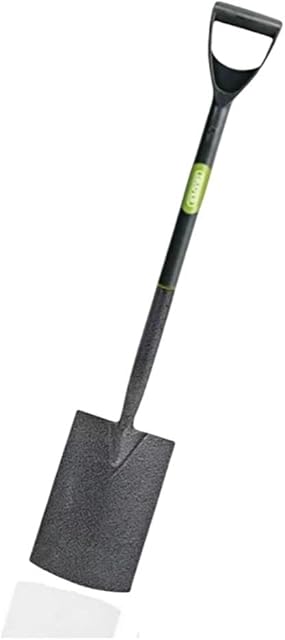
1. Spade Shovel: Spade shovels are the most common type of shovel used in gardening. They have a flat, rectangular blade with a sharp edge, perfect for digging and cutting through soil and sod. Spade shovels are versatile and can be used for various tasks like digging holes, edging flower beds, and cutting roots.
2. Round Point Shovel: This type of shovel has a rounded tip and a slightly concave blade. It is designed for digging and lifting soil, making it great for tasks like planting trees, shrubs, and perennials. The rounded point allows for easy penetration into the soil, while the concave blade holds the soil as you lift it.
3. Square Point Shovel: Square point shovels have a flat, square-shaped blade and are mainly used for moving loose materials like gravel, sand, and mulch. They are not ideal for digging, but their flat shape makes them perfect for scooping and leveling materials in your garden.
4. Trenching Shovel: As the name suggests, trenching shovels are specifically designed for digging trenches. They have a long, narrow blade that is ideal for creating deep and narrow holes in the soil. Trenching shovels are commonly used for installing irrigation systems or burying cables and pipes.
5. Garden Spade: A garden spade is similar to a spade shovel but has a shorter handle and a smaller blade. It is perfect for working in tight spaces, such as raised beds or containers. Garden spades are great for digging small holes, transplanting seedlings, and cultivating soil in smaller areas.
Choosing the Right Shovel:
When choosing a shovel, there are a few factors to consider to ensure you get the right tool for your needs:
1. Blade Material: Shovel blades are usually made of steel or stainless steel. Steel blades are strong and durable but may rust over time. Stainless steel blades, on the other hand, are rust-resistant and easy to clean but tend to be more expensive.
2. Handle Material: Shovel handles can be made of wood, fiberglass, or metal. Wooden handles are traditional and comfortable to grip but may be prone to cracking or splintering. Fiberglass handles are lightweight, durable, and resistant to weathering. Metal handles are strong and sturdy but can be heavier than other options.
3. Handle Length: The length of the handle determines the leverage and comfort while using the shovel. Longer handles provide more leverage, making it easier to dig and lift heavy loads. However, shorter handles offer better control and are more suitable for working in tight spaces.
4. Weight: Consider the weight of the shovel, as it can affect your comfort and ease of use. Lighter shovels are easier to maneuver and lift, especially when working for extended periods. However, heavier shovels may be more durable and suitable for heavy-duty tasks.
Caring for Your Shovel:
To ensure your shovel lasts for years to come, proper care and maintenance are essential. Here are a few tips to keep your shovel in top shape:
1. Clean the shovel after each use to remove any dirt or debris. Use a brush or hose to rinse off the blade and handle.
2. Dry the shovel thoroughly after cleaning to prevent rust. Wipe the blade and handle with a towel and store it in a dry place.
3. Sharpen the blade regularly to maintain its cutting efficiency. Use a file or sharpening stone to remove any nicks or dull edges.
4. Check the handle for any signs of damage or wear. Replace the handle if it is cracked, splintered, or loose.
Shovels are an essential tool for any gardener or landscaper. With their variety of types and uses, they can help you dig, lift, and move soil with ease. By choosing the right shovel and properly maintaining it, you can ensure that your gardening projects are a success. So, whether you're planting a new garden bed, installing a fence, or simply moving soil from one place to another, a trusty shovel will be your best friend!
Explore more from Hand Tools
- Bulb Planters
- Rakes
- Grass Shears
- Tool Sets
- Secateurs & Pruning Scissors
- Garden Twine & Twist Ties
- Forks
- Gardening Trowels
- Axe & Knife Sharpeners
- Sieves
- Hedge Shears
- Pick-Up Tools
- Hoes
- Axes
- Outdoor & Patio Brooms
- Shovels & Spades
- Post Hole Diggers
- Manual Weeders
- Loppers
- Cultivators & Tillers
- Manual Lawn Aerators
- Hand Edgers
- Spades
- Splitting Wedges
- Garden Tool Holders
- Gardening Knives
- Bonsai Tools
- Picks
- Machetes
- Saws