Handsaw Blades
Shop Handsaw Blades products from multiple suppliers.




About Handsaw Blades
Handsaw Blades: A Comprehensive Guide to Choosing the Right One for Your Needs
When it comes to cutting through various materials, a handsaw is an essential tool to have in your arsenal. However, the effectiveness of a handsaw heavily relies on the quality and type of blade used. With so many options available in the market, it can be overwhelming to choose the right handsaw blade for your specific needs. In this blog post, we will provide you with a comprehensive guide to help you make an informed decision.
1. Understanding the Different Types of Handsaw Blades
There are various types of handsaw blades available, each designed for specific applications. Let's take a closer look at some of the most common types:
- Metal Hacksaw Blades: These blades are specifically designed for cutting through metal, such as steel, aluminum, and copper. They are usually made from high-carbon steel or bi-metal, which offers durability and longevity.
- Coping Saw Blades: Coping saw blades are known for their versatility and are primarily used for intricate and curved cuts. They are commonly used in woodworking and are available in different TPI (teeth per inch) options.
2. Factors to Consider When Choosing a Handsaw Blade
Now that we have a basic understanding of the different types of handsaw blades, let's explore the important factors to consider when choosing the right one for your needs:
- Material: Consider the type of material you will be cutting. Different blades are designed for specific materials, such as metal, wood, or plastic. Using the wrong blade can lead to inefficiency and potential damage to the material or the blade itself.
- TPI (Teeth Per Inch): The TPI refers to the number of teeth on the blade. Blades with higher TPI provide smoother and more precise cuts, making them ideal for delicate work. On the other hand, blades with lower TPI are better suited for rough and fast cuts.
- Blade Length: The length of the blade will determine the depth of the cut you can achieve. Longer blades are suitable for cutting through thicker materials, while shorter blades are more maneuverable and ideal for intricate cuts.
- Blade Quality: Investing in a high-quality handsaw blade is crucial for achieving optimal performance and durability. Look for blades made from high-carbon steel or bi-metal, as they tend to last longer and provide better cutting performance.
3. Top Handsaw Blades in the Market
To save you time and effort in researching, we have compiled a list of highly recommended handsaw blades:
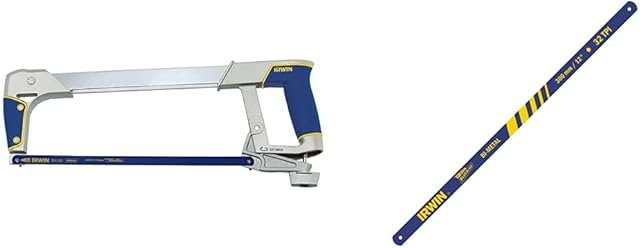
- Irwin 10504407 I-125 New Professional Metal Hacksaw and Blade with Soft Grip, 300mm & 10504525 300mm/ 12-inch x 32tpi Bi-Metal Hacksaw Blades (Pack of 2): This set offers a professional-grade metal hacksaw with a comfortable soft grip handle and durable bi-metal blades.
- Weikeya Certain Coping Saw Blades, GomBoy Curve 150mm High-Carbon Steel: These coping saw blades are perfect for intricate and curved cuts in woodworking projects. The high-carbon steel construction ensures longevity and precision.
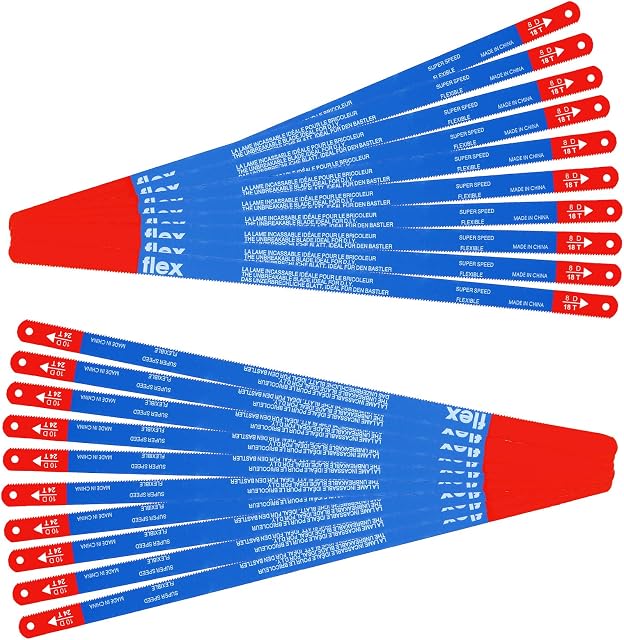
- JatilEr Metal Cutting Hacksaw Blades with 14 Teeth, 18 Teeth, and 24 Teeth Per Inch: This set of hacksaw replacement blades provides versatility with different TPI options, making it suitable for various cutting tasks.
- C.K T0835 Hacksaw Blades, Grey, 150 mm, Set of 10 Pieces: These blades offer excellent value for money with their durable construction and affordability. They are perfect for light to medium-duty cutting tasks.
- NEISH TOOLS Junior Hacksaw Blades 6" X 32tpi (to BS6271) Pack of 10: Ideal for small-scale cutting tasks, these junior hacksaw blades are made to British standards and provide reliable performance.
- Draper 43860 FPS210 Folding Garden/Gardening Cutting/Pruning Saw, 230mm, Blue: This folding pruning saw is perfect for outdoor cutting tasks such as pruning trees and shrubs. The compact design and high-quality blade make it a must-have for garden enthusiasts.
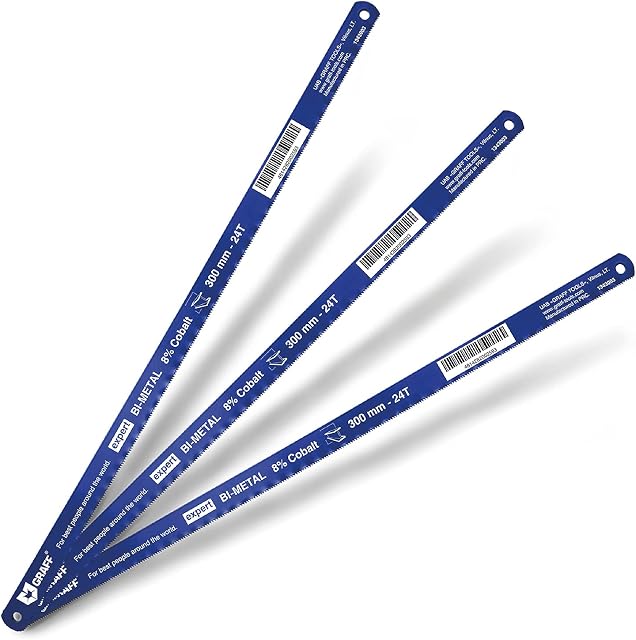
- GRAFF 8% Cobalt Hacksaw Blades 12 Inch for Metal and Stainless Steel cutting - 300mm Hacksaw Blades 24 tpi - Handsaw Blades Replacement Bi-Metal - Pack of 3: These cobalt hacksaw blades are specifically designed for cutting metal and stainless steel. The bi-metal construction ensures durability and longevity.
4. Maintenance Tips for Handsaw Blades
To ensure the longevity and optimal performance of your handsaw blades, here are a few maintenance tips to keep in mind:
- Clean the Blades: After each use, wipe down the blades with a clean cloth to remove any debris or residue. This will prevent build-up and ensure smooth cutting.
- Store Properly: Store your handsaw blades in a dry and secure location. Avoid exposing them to moisture or extreme temperatures, as this can lead to rust or damage.
- Sharpen Regularly: Over time, handsaw blades can become dull. Invest in a blade sharpening tool or seek professional sharpening services to maintain the sharpness of your blades.
- Replace When Necessary: If you notice signs of wear and tear, such as bent or damaged teeth, it's time to replace the blade. Using a dull or damaged blade can lead to inefficient cuts and potential accidents.
Choosing the right handsaw blade is essential for achieving clean and precise cuts in various materials. Consider factors such as the material you will be cutting, TPI, blade length, and blade quality when making your decision. By investing in high-quality handsaw blades and practicing proper maintenance, you can ensure the longevity and optimal performance of your cutting tool. Whether you're a DIY enthusiast or a professional, having the right handsaw blade in your toolbox will make all the difference in your cutting tasks.
More from Handsaw Blades
More listings from Handsaw Blades by experienced suppliers.