9% OFF
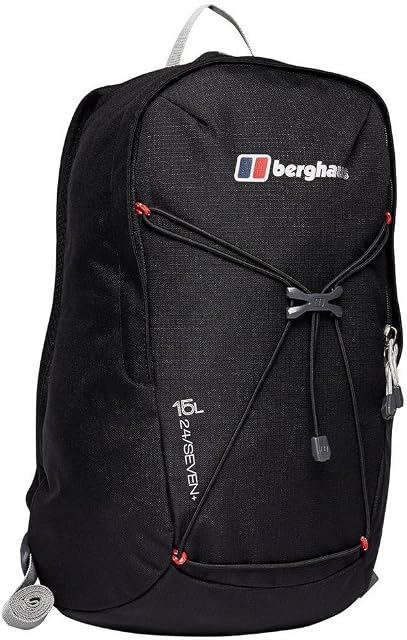
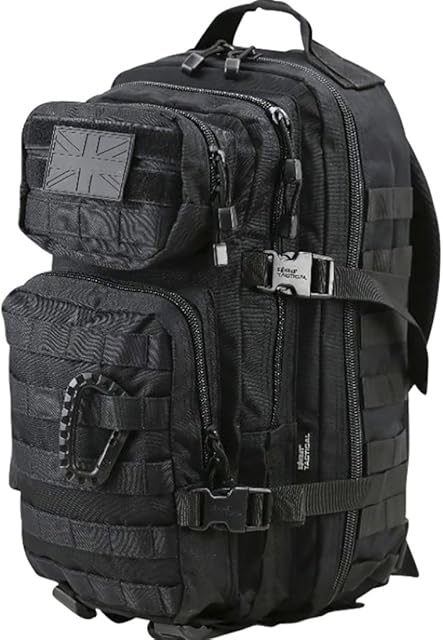
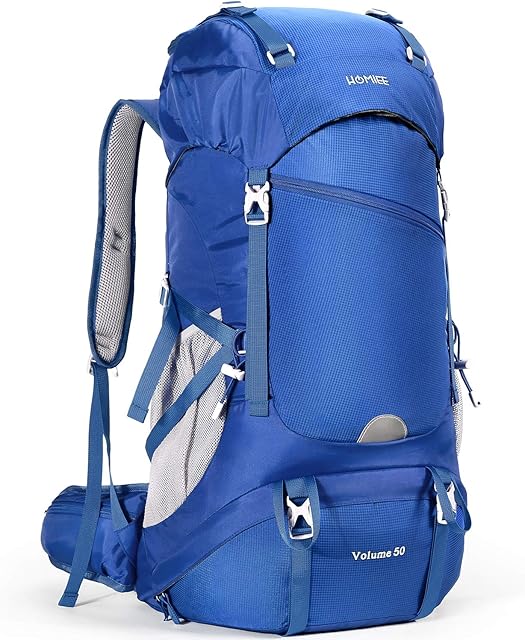
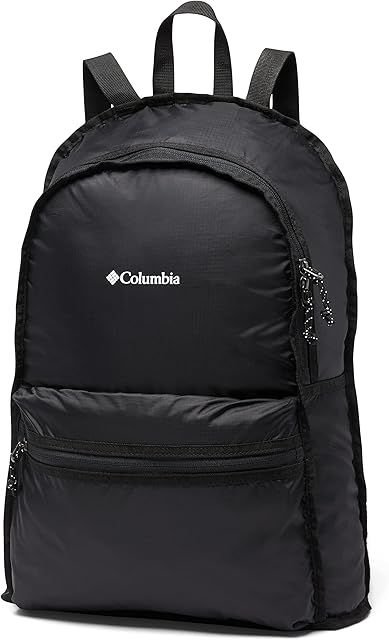
Shop Internal Frame Backpacks products from multiple suppliers.


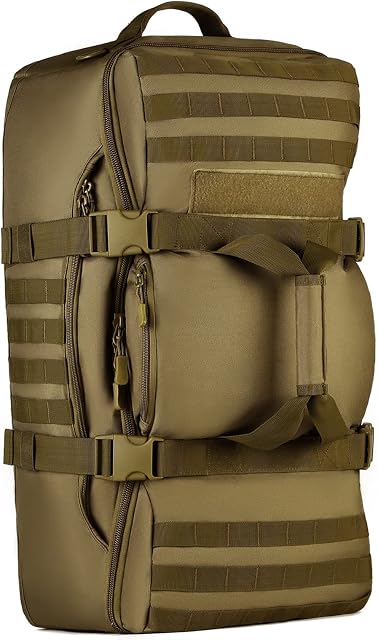


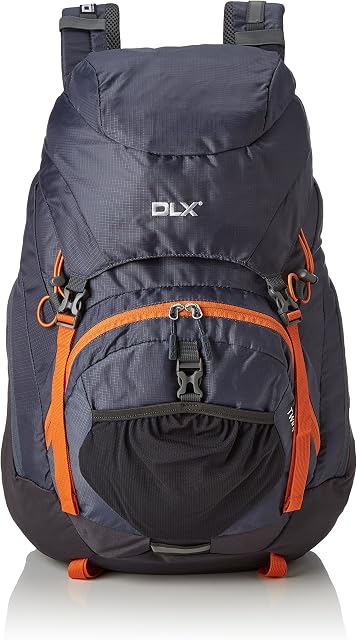

If you're an avid hiker or camper, then you know the importance of having a reliable and comfortable backpack. While external frame backpacks have their advantages, internal frame backpacks offer several benefits that make them a popular choice among outdoor enthusiasts. In this blog post, we will explore the pros and cons of internal frame backpacks and why they are worth considering for your next adventure.
Pros of Internal Frame Backpacks:
1. Comfort: Internal frame backpacks provide better support and comfort than external frame backpacks because they distribute weight evenly across the body, reducing pressure on the shoulders and back. This makes them ideal for long hikes or camping trips where you'll be carrying your gear for an extended period of time.
2. Organization: Internal frame backpacks typically have multiple compartments and pockets that can be easily accessed from the main opening, making it easier to find what you need quickly without having to dig through every pocket or compartment. This is especially useful when you're in a hurry or need something specific during your hike or camping trip.
3. Security: Internal frame backpacks have a more secure fit than external frame backpacks because they are designed to hug the body, providing better support and preventing items from shifting around while you're on the move. This is especially important if you're carrying valuable or fragile items that could get damaged during transit.
4. Versatility: Internal frame backpacks can be used for a variety of activities beyond hiking and camping, such as traveling, school, or work. They are also available in different sizes to fit your needs, from small daypacks to large capacity bags that can hold everything you need for an extended trip.
Cons of Internal Frame Backpacks:
1. Limited Expandability: While internal frame backpacks offer good support and organization, they may not be as expandable as external frame backpacks. This means you may run out of space quickly if you're carrying a lot of gear or need to transport larger items like camping equipment or bicycles.
2. Less Customization: Internal frame backpacks are designed with a specific shape and size in mind, which can limit your ability to customize the fit or add additional features that may be important for your needs. This means you may have to make do with what's available rather than getting exactly what you want.
3. More Expensive: Internal frame backpacks tend to be more expensive than external frame backpacks, especially if you're looking at high-quality models that offer good support and organization. While this may not be a dealbreaker for some people, it can be a consideration when choosing the right backpack for your needs.
4. Less Durable: Internal frame backpacks are generally less durable than external frame backpacks because they rely on seams and stitching to hold everything together rather than an internal frame that provides additional support. This means you may need to replace them more frequently if you're using them heavily or in harsh conditions.
In conclusion, while internal frame backpacks offer several benefits over external frame backpacks, they also have some drawbacks that are worth considering before making a purchase decision. By weighing these pros and cons against your specific needs and preferences, you can choose the right backpack for your next adventure and enjoy greater comfort, organization, security, versatility, expandability customization durability!
More listings from Internal Frame Backpacks by experienced suppliers.