8% OFF
Shop Motor Drivers products from multiple suppliers.


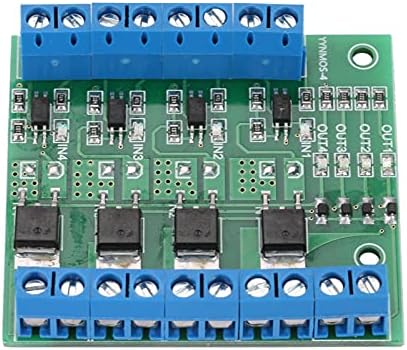


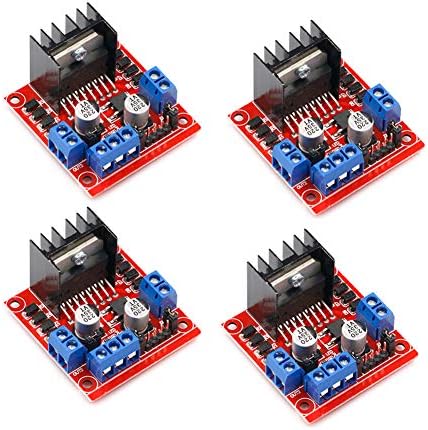

Motor Drivers: A Comprehensive Guide
In the world of industrial electrical equipment, motor drivers play a crucial role in controlling and powering various types of motors. From stepper motors to DC motors, motor drivers are essential components that ensure smooth and efficient operation. In this blog post, we will delve into the world of motor drivers, exploring their functions, types, and applications.
What are Motor Drivers?
Motor drivers, also known as motor controllers, are electronic devices that control the speed, direction, and torque of electric motors. They act as an interface between the motor and the control system, translating the control signals into the appropriate voltage and current levels required to operate the motor.
Function of Motor Drivers
The primary function of motor drivers is to provide the necessary power and control signals to the motor. They convert low-voltage control signals from the control system into high-voltage and high-current signals required by the motor. By modulating the voltage and current levels, motor drivers enable precise control over motor speed, direction, and torque.
Types of Motor Drivers
1. Stepper Motor Drivers:
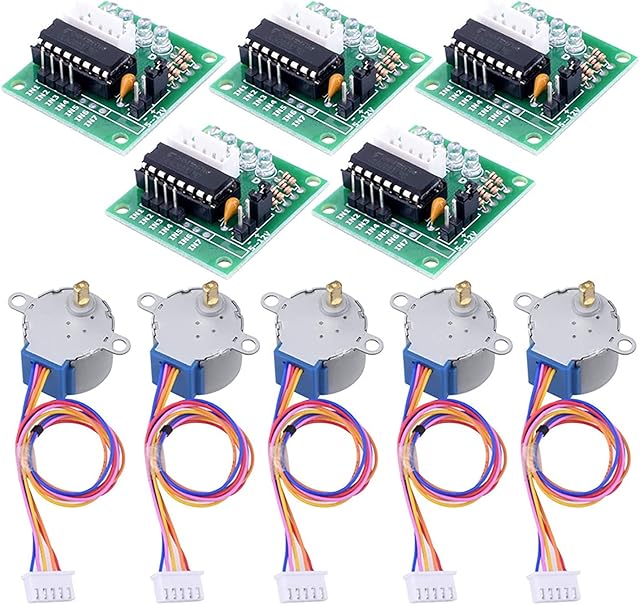
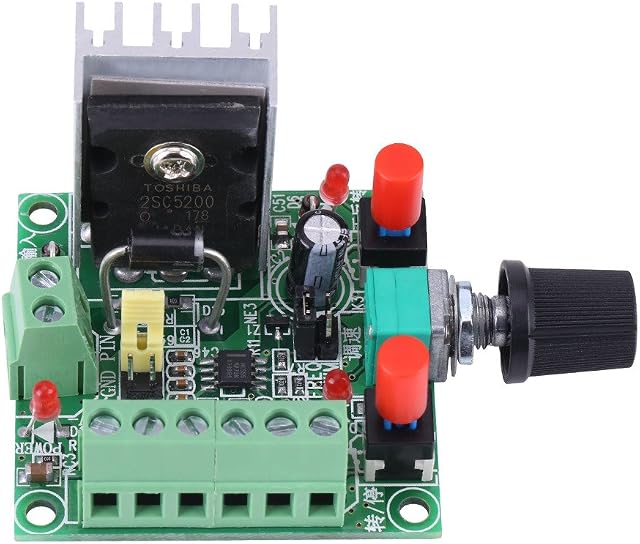
Stepper motors are widely used in applications that require precise positioning and motion control. Stepper motor drivers, such as the Akozon Motor Driver Module or the ULN2003 Stepper Motor Driver Board Module, provide the necessary pulses and currents to drive the stepper motor. These drivers offer various control modes, including full-step, half-step, and microstepping, allowing for precise control over the motor's movement.
2. DC Motor Drivers:
DC motors are commonly used in applications that require continuous rotation, such as robotics and automation. DC motor drivers, like the HALJIA L9110S Dual-Channel H-bridge Stepper Motor Dual DC Motor Driver Controller Board Module, control the speed and direction of DC motors. They use an H-bridge configuration to control the motor's rotation by changing the polarity of the voltage applied to the motor terminals.
3. Servo Motor Drivers:
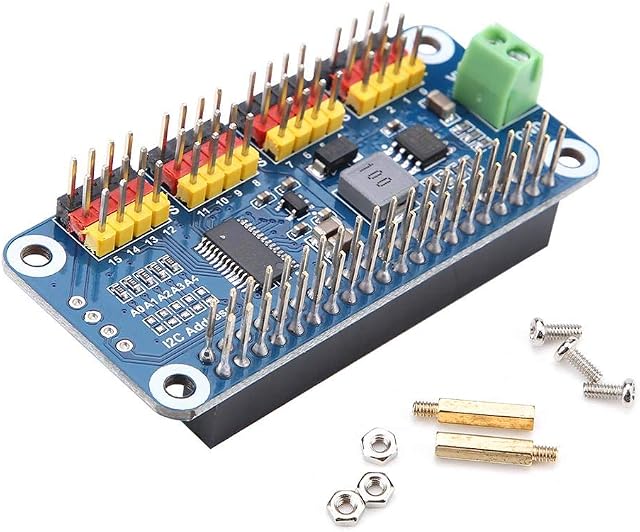
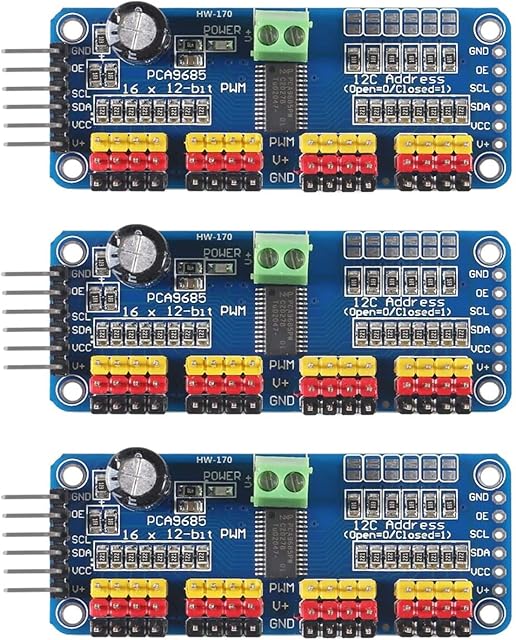
Servo motors are widely used in applications that require precise control over position, speed, and torque. Servo motor drivers provide the necessary pulse-width modulation (PWM) signals to control the position and speed of the servo motor. These drivers, often integrated into servo motor systems, ensure accurate and smooth motion control.
4. Brushless DC Motor Drivers:
Brushless DC motors offer high efficiency and reliability, making them popular in applications such as aerospace, automotive, and industrial automation. Brushless DC motor drivers control the commutation of the motor using electronic circuits. These drivers, equipped with advanced control algorithms, provide smooth and efficient operation of brushless DC motors.
Applications of Motor Drivers
Motor drivers find applications in various industries and fields. Some common applications include:
1. Robotics:
Motor drivers are extensively used in robot motion control systems. They enable precise control over the movement of robotic arms, joints, and wheels, allowing robots to perform complex tasks with accuracy and efficiency.
2. Industrial Automation:
In industrial automation, motor drivers play a vital role in controlling conveyor belts, pumps, fans, and other motor-driven equipment. They ensure smooth operation and precise control over the speed and torque of the motors, improving overall productivity and efficiency.
3. CNC Machines:
Motor drivers are essential components in computer numerical control (CNC) machines. They control the movement of the machine's axes, enabling accurate and repeatable positioning and machining operations.
4. Automotive:
Motor drivers are integral to the functioning of various automotive systems, including power windows, door locks, seat adjustments, and windshield wipers. They provide the necessary control signals to drive the motors responsible for these functions.
Choosing the Right Motor Driver
When selecting a motor driver for your application, several factors need to be considered:
1. Motor Type:
Different motors require different types of drivers. Stepper motors, DC motors, servo motors, and brushless DC motors each have specific driver requirements. Ensure that the motor driver you choose is compatible with the motor you intend to use.
2. Power Requirements:
Consider the voltage and current requirements of your motor and select a driver that can provide the necessary power levels. It is crucial to ensure that the driver can handle the maximum current and voltage ratings of the motor.
3. Control Features:
Different motor drivers offer different control features, such as speed control, direction control, and torque control. Determine the specific control requirements of your application and choose a driver that meets those requirements.
4. Integration and Communication:
If your application requires integration with a control system or communication with other devices, consider motor drivers that offer the necessary interfaces, such as UART, SPI, or I2C.
Motor drivers are essential components in the world of industrial electrical equipment. They provide the necessary power and control signals to various types of motors, enabling precise control over their speed, direction, and torque. By understanding the functions, types, and applications of motor drivers, you can make informed decisions when selecting the right driver for your specific needs. Whether you are building a robot, automating industrial processes, or designing a CNC machine, motor drivers are the key to unlocking the full potential of electric motors.
More listings from Motor Drivers by experienced suppliers.