11% OFF
Shop Mouldings & Trim products from multiple suppliers.


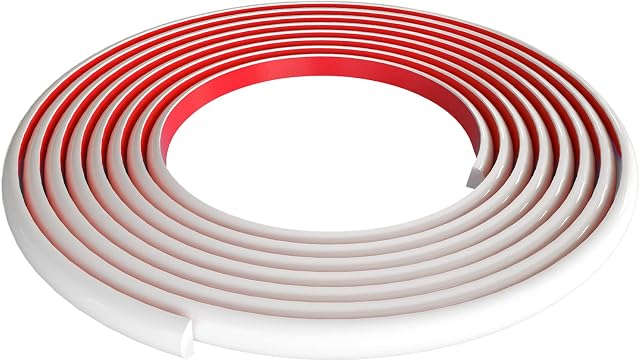


Mouldings and trim may seem like insignificant details in a home or building, but they can actually make a significant impact on the overall aesthetic and functionality of a space. From enhancing the visual appeal of a room to providing protection and durability, mouldings and trim play a crucial role in the construction and design industry.
One of the key advantages of mouldings and trim is their ability to add a touch of elegance and sophistication to any space. Whether it's crown mouldings, baseboards, or chair rails, these decorative elements can instantly elevate the look of a room. They create a sense of craftsmanship and attention to detail, giving the space a polished and finished appearance. Mouldings and trim can also be used to define and accentuate architectural features, such as arches or columns, adding depth and character to the design.
But mouldings and trim are not just about aesthetics. They also serve practical purposes. For example, baseboards provide a protective barrier between the wall and the floor, preventing damage from furniture or vacuum cleaners. Chair rails protect walls from scuffs and dents caused by chairs being pushed back. And crown mouldings can hide imperfections in the junction between walls and ceilings, giving the room a seamless look.
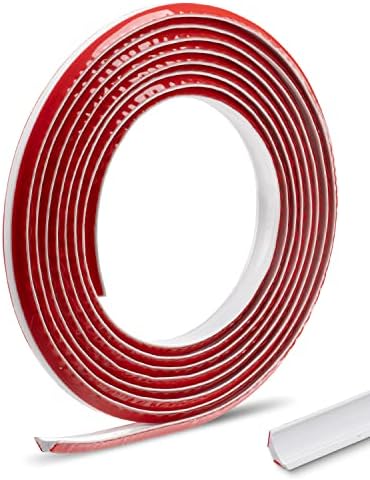
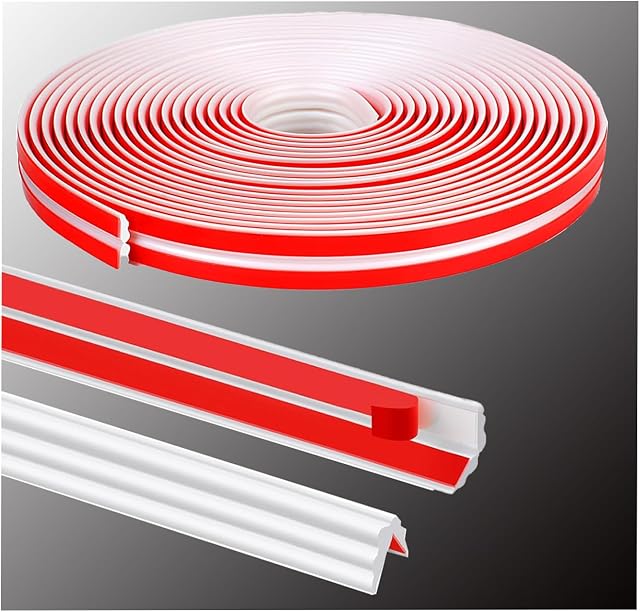
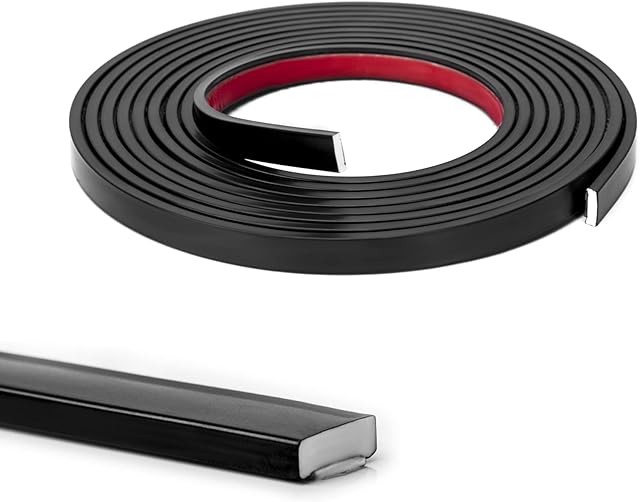
When it comes to choosing mouldings and trim, there are a variety of options available to suit different styles and preferences. One popular choice is flexible trim, which offers versatility and ease of installation. Flexible trim can be easily bent and shaped to fit curved surfaces, making it ideal for rounded corners or irregular shapes. It can also be used to create unique designs and patterns, adding a personalized touch to the space. Additionally, flexible trim is often made from durable materials such as PVC or polyurethane, ensuring long-lasting performance and resistance to wear and tear.
Another important consideration when selecting mouldings and trim is the material. Wood has been a traditional choice for mouldings and trim due to its natural beauty and timeless appeal. However, wood may require regular maintenance and can be susceptible to warping or rotting in moist environments. Alternatively, there are synthetic options available, such as PVC or polyurethane, which offer the look of wood but with added durability and resistance to moisture and insects. These materials are also often pre-finished, eliminating the need for painting or staining.
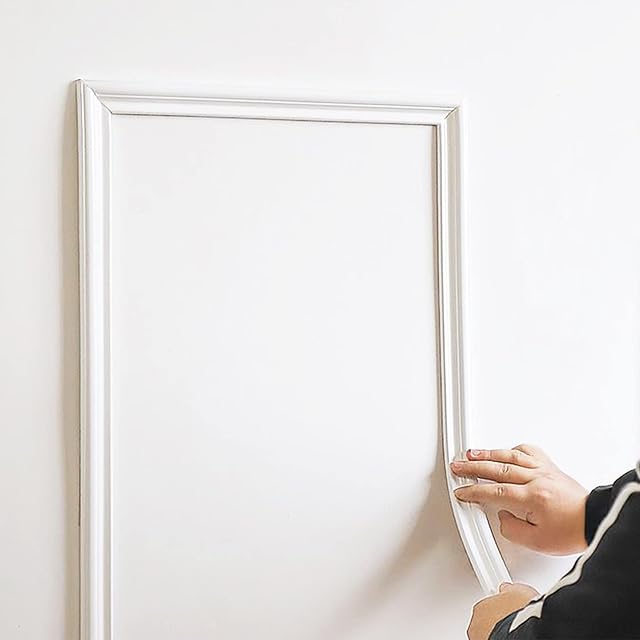
In addition to the material, the installation method is another factor to consider. Peel and stick trim, for example, offers a convenient and hassle-free solution for DIY enthusiasts. With adhesive backing, it can be easily applied to any clean and smooth surface, eliminating the need for nails or screws. This makes it a great option for temporary installations or for those who prefer a quick and easy update. On the other hand, traditional trim may require professional installation, but it offers a more permanent and secure solution.
When it comes to using mouldings and trim, the possibilities are endless. They can be used in various areas of a home or building, including walls, ceilings, floors, and even furniture. They can be painted or stained to match the existing décor or left natural for a rustic or minimalist look. Mouldings and trim can also be combined with other architectural elements, such as wainscoting or medallions, to create a cohesive and harmonious design.
In conclusion, mouldings and trim are essential components in the world of construction and design. They not only enhance the visual appeal of a space but also provide practical benefits such as protection and durability. With a wide range of materials, styles, and installation methods available, there is a moulding or trim option to suit every taste and requirement. So next time you're renovating or building, don't overlook the importance of these small but impactful details.
More listings from Mouldings & Trim by experienced suppliers.