12% OFF
Shop Anchors products from multiple suppliers.

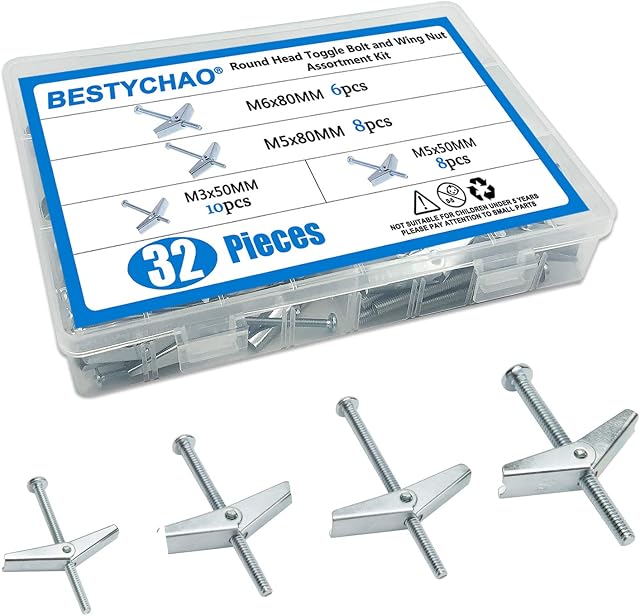


Are you planning to undertake a construction project? Whether it's building a deck, installing shelving units, or hanging heavy artwork, proper anchoring is crucial to ensure the stability and safety of your structure. However, many people overlook the importance of using high-quality anchors for their construction projects. In this blog post, we will discuss why it's essential to choose the right type of anchor for your project and how it can save you time, money, and hassle in the long run.
Why High-Quality Anchors Matter?
High-quality anchors are designed to provide maximum holding power and durability, ensuring that your structure remains stable over time. They come with a variety of features such as corrosion resistance, high tensile strength, and adjustable lengths, which make them ideal for different types of construction projects. For instance, if you're building a deck in an area prone to heavy winds or rain, using anchors that are resistant to corrosion will help prevent structural failure due to weather conditions.
Types of Anchors and Their Uses
There are several types of anchors available on the market, each designed for specific applications. Some common types include:
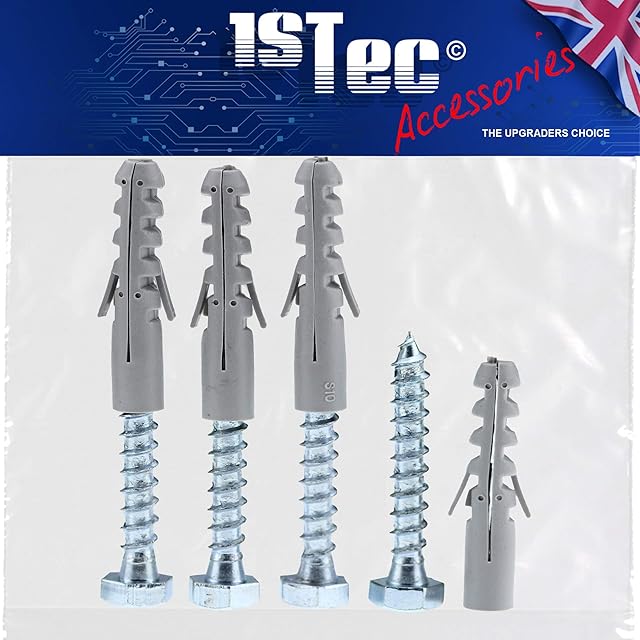
1. Plastic anchors - These are lightweight and versatile, making them ideal for hanging lighter loads such as shelving units or picture frames.
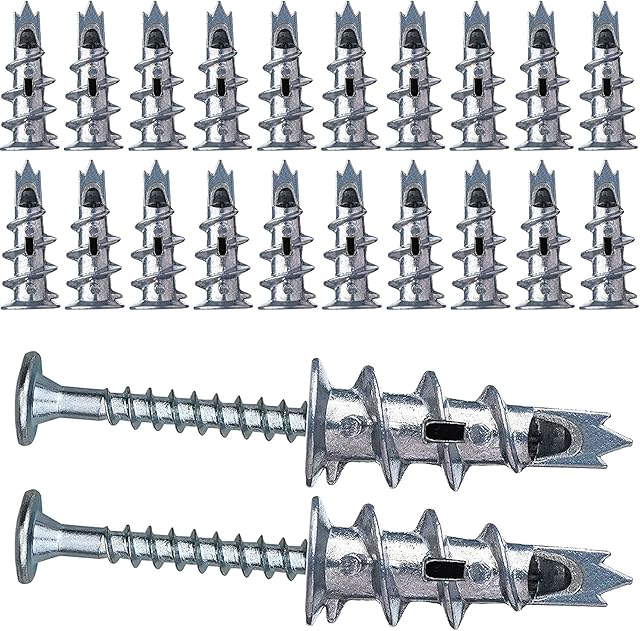
2. Metal anchors - With higher holding power than plastic anchors, they're perfect for heavier loads like large pieces of artwork or bookshelves.
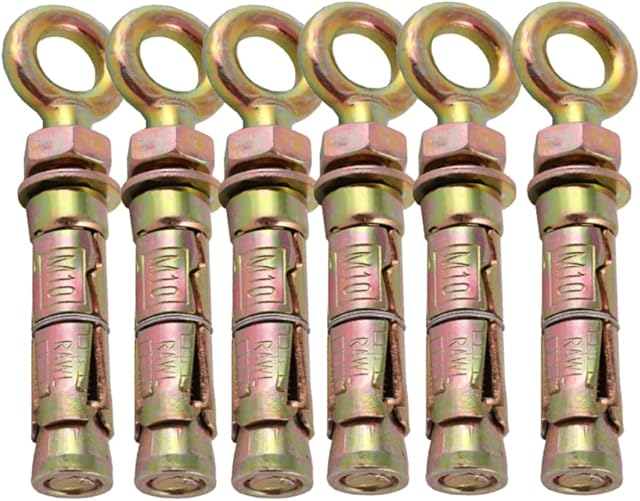
3. Concrete anchors - These are designed to hold heavy structures like decks and fences in place. They come with a variety of settings, including adjustable lengths and torque-controlled screws.
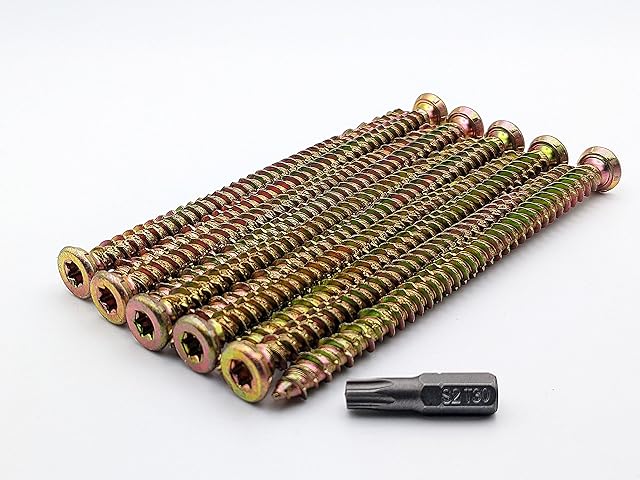
4. Wood anchors - Ideal for securing wood components together or to concrete subfloors, these anchors have a soft grip that won't damage surrounding surfaces.
How to Choose the Right Anchor?
Choosing the right anchor depends on several factors such as load weight, surface type, and installation method. Here are some tips to help you make an informed decision:
1. Determine the weight of your load - This will help you choose the appropriate type of anchor based on its holding power.
2. Consider the surface material - Different types of anchors work better with different materials such as wood, metal, or concrete.
3. Think about installation method - Some anchors require drilling while others can be installed without any tools. Choose an anchor that fits your installation needs.
4. Check the durability and lifespan - Look for high-quality anchors made from durable materials with a long lifespan to ensure your structure remains stable over time.
In conclusion, using high-quality anchors is crucial for any construction project that requires stability and safety. By choosing the right type of anchor based on load weight, surface material, installation method, and durability, you can avoid costly repairs or even structural failure in the long run. Always prioritize quality over price to ensure your structure remains secure and functional for years to come.
More listings from Anchors by experienced suppliers.