
Braces
Shop Braces products from multiple suppliers.




About Braces
Welcome to today's blog post where we will be diving into the world of braces! Braces are an essential component in the world of hardware and fasteners, providing support and stability to various structures. Whether you're a DIY enthusiast or a professional contractor, having a good understanding of braces and their applications can significantly enhance your projects. So let's explore the different types of braces, their uses, and some tips for selecting the right ones for your needs.
Braces, also known as brackets, are typically made of metal, such as steel or aluminum, and come in various shapes and sizes. They are designed to provide reinforcement and support to different objects, ensuring their stability and longevity. Braces are commonly used in construction, carpentry, furniture making, and other similar fields where structural integrity is crucial.
One of the most common types of braces is the corner brace. As the name suggests, these braces are primarily used to reinforce corners and joints, preventing them from coming apart under stress. Corner braces are commonly found in furniture construction, providing stability and preventing wobbling or shaking. They are available in different sizes, allowing you to choose the one that best suits your project's requirements.
Another type of brace is the T-brace. This brace features a T-shaped design, with one end attached to a vertical structure and the other end bracing against a horizontal surface. T-braces are widely used in construction to provide support and prevent sagging or bending of beams, joists, and other load-bearing elements. These braces are often adjustable, allowing for easy installation and flexibility in various applications.
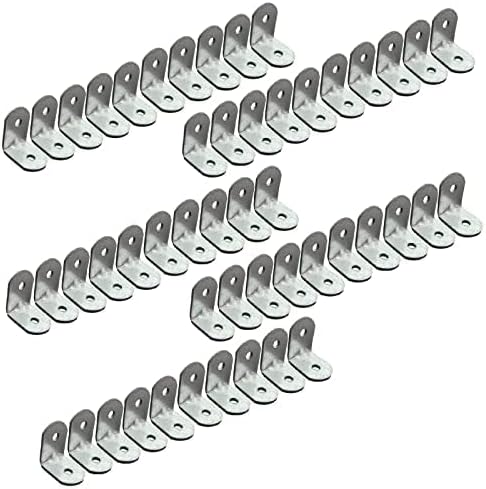
L-braces, also known as angle braces, are another popular choice. These braces have an L-shaped design, with one side attached to a vertical surface and the other side bracing against a horizontal surface. L-braces are commonly used to reinforce corners, shelves, and other structures that require additional support. They are available in different sizes and thicknesses to accommodate various load-bearing requirements.
When selecting braces for your project, it's essential to consider the material and finish. Steel braces are known for their strength and durability, making them suitable for heavy-duty applications. Aluminum braces, on the other hand, are lightweight and corrosion-resistant, making them ideal for outdoor projects or areas exposed to moisture. Additionally, some braces come with a powder-coated or galvanized finish, providing extra protection against rust and corrosion.
It's also important to consider the size and load-bearing capacity of the braces. Choosing the right size ensures a proper fit and adequate support for your project. The load-bearing capacity determines how much weight the brace can handle without compromising its integrity. It's crucial to match the braces' load-bearing capacity with the anticipated weight or load your structure will bear.
When installing braces, it's essential to use appropriate hardware, such as screws or nails, to secure them in place. Make sure to choose hardware that is compatible with the material and size of the braces. Using the wrong hardware can weaken the brace or cause damage to the surrounding materials. It's also important to follow the manufacturer's instructions for proper installation techniques to ensure optimal performance.
In addition to their functional uses, braces can also be used decoratively. Some braces come in decorative designs and finishes, allowing you to add a touch of style to your projects. These decorative braces are often used in furniture-making or architectural applications where aesthetics play a significant role.
In conclusion, braces are an essential component in the world of hardware and fasteners. They provide support and stability to various structures, ensuring their longevity and structural integrity. Understanding the different types of braces, their uses, and how to select the right ones for your project is crucial for any DIY enthusiast or professional contractor. So next time you embark on a construction or furniture-making project, don't forget to consider the power of braces in enhancing the strength and longevity of your creations.