7% OFF
Shop Grinders products from multiple suppliers.
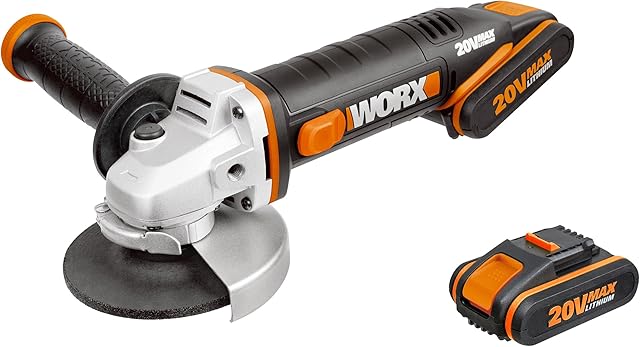


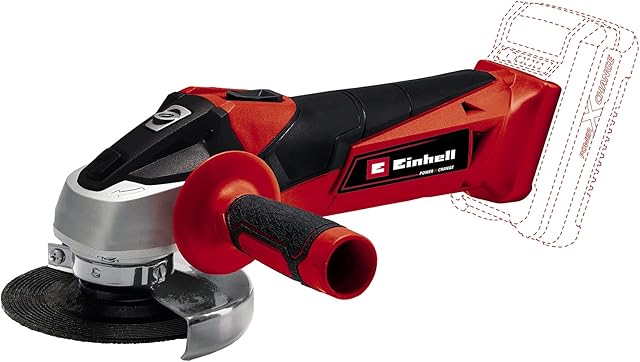
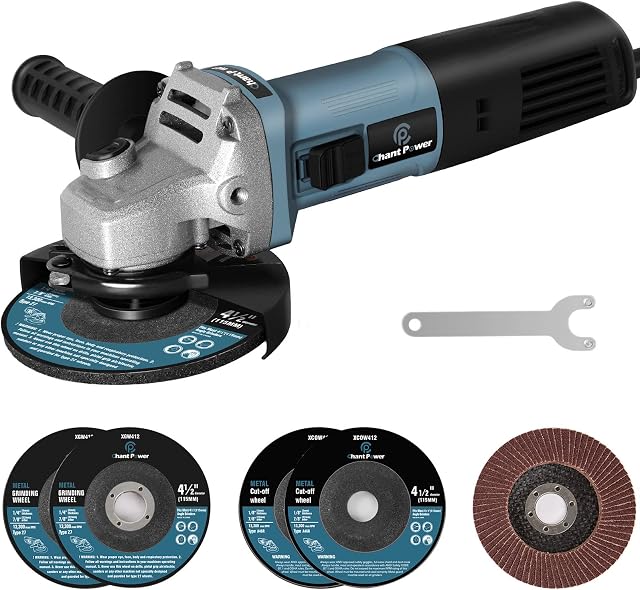

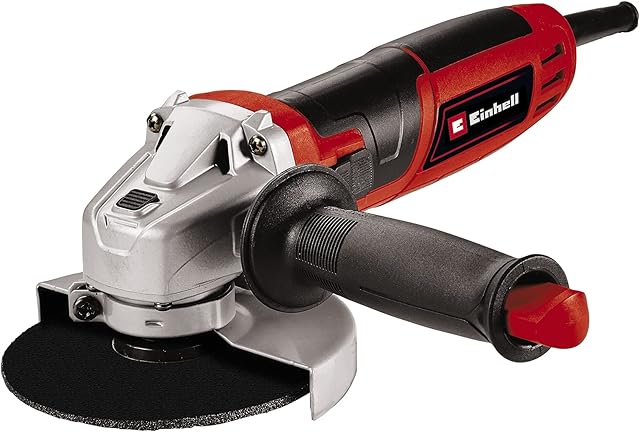


Grinders are versatile power tools that can be used for a variety of tasks. They come in different sizes and shapes to suit specific needs. In this blog post, we will explore the different types of grinders available on the market today. We will also discuss their features, applications, and how they can benefit your work.
Types of Grinders:
There are several types of grinders available in the market, each designed for specific tasks. Here are some of the most common types of grinders:
1. Die Grinder: A die grinder is a small, handheld power tool used for shaping and polishing metal parts. It has a rotating wheel with abrasive grains that remove material from the workpiece. The 90-degree angle allows it to reach tight spaces easily.
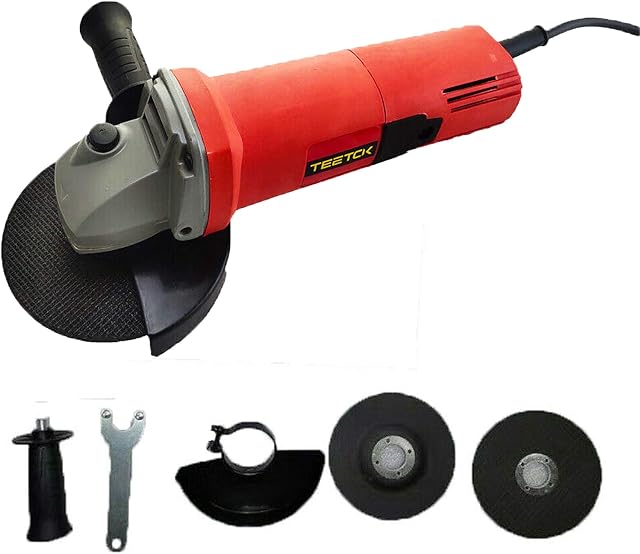
2. Angle Grinder: An angle grinder is similar to a die grinder but has a larger size and more power. It can be used for heavy-duty grinding tasks such as removing rust, paint, or metal from large surfaces. The 90-degree angle allows it to reach tight spaces easily.
3. Pneumatic Angle Grinder: A pneumatic angle grinder is powered by compressed air and is ideal for heavy-duty grinding tasks such as removing rust, paint, or metal from large surfaces. It has a longer lifespan compared to electric grinders due to the lower heat generated during operation.
4. Rotary Grinder: A rotary grinder is similar to an angle grinder but has a continuous rotation motion instead of a 90-degree angle. This type of grinder is ideal for polishing and buffing metal surfaces, as well as removing rust or paint from large areas.
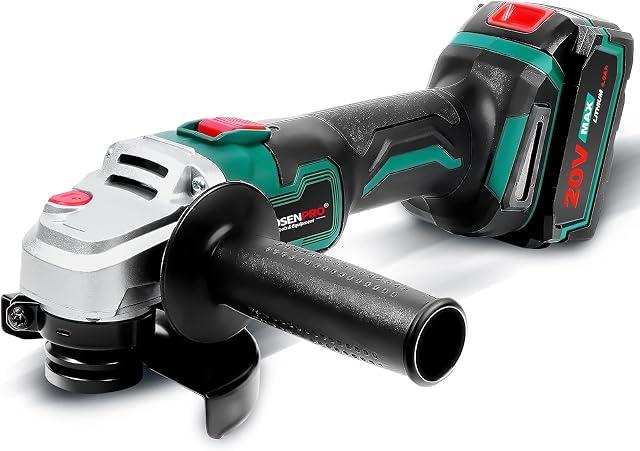
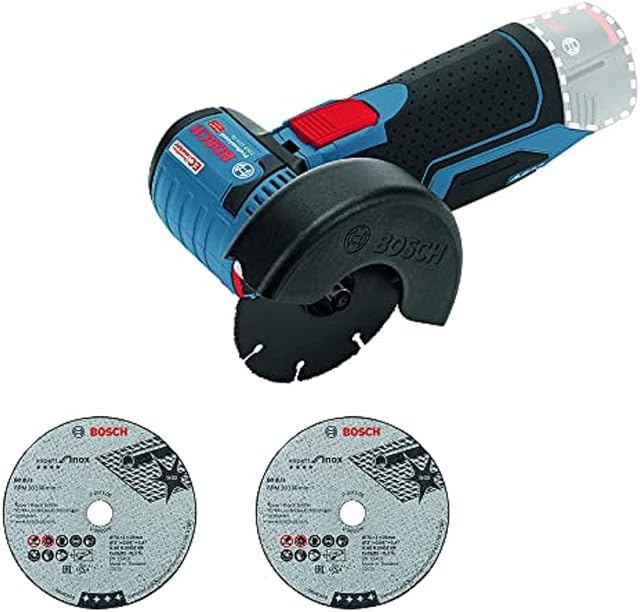
5. Cordless Angle Grinder: A cordless angle grinder is powered by rechargeable batteries and offers more convenience than traditional electric grinders. It allows you to work in tight spaces without the hassle of cords getting in the way.
Features to Consider When Choosing a Grinder:
When choosing a grinder, there are several features to consider. Here are some key factors to keep in mind:
1. Speed: The speed of the grinder is an essential factor to consider. Faster speeds generate more heat and can damage the workpiece. Look for a grinder with adjustable speed settings to ensure you have control over the amount of material being removed.
2. Power Source: Electric, pneumatic, or cordless - each type has its advantages and disadvantages. Electric grinders are convenient but may generate more heat than pneumatic ones. Pneumatic grinders are powerful but require compressed air, which can be expensive to operate. Cordless grinders offer convenience without the hassle of cords.
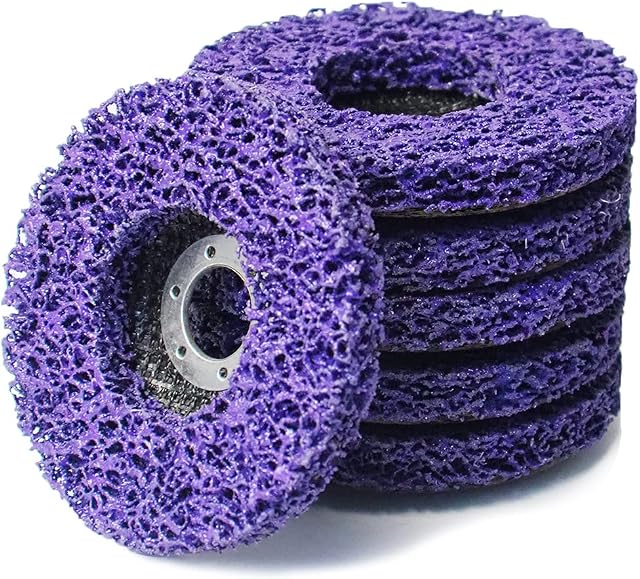
3. Abrasive Type: The type of abrasive used in a grinder depends on the material being ground and its surface finish requirements. Look for high-quality abrasives that are designed specifically for your task at hand.
4. Grip Type: Some grinders come with ergonomic grips, which provide better control over the tool. This is particularly important when working in tight spaces or on uneven surfaces.
5. Safety Features: Always prioritize safety when using power tools. Look for features such as automatic shut-off, speed adjustment, and anti-slip handles to ensure your safety while grinding.
Grinders are versatile power tools that can be used for a variety of tasks in different industries. When choosing the right grinder for your needs, consider factors such as speed, power source, abrasive type, grip type, and safety features. By selecting the appropriate tool based on these factors, you can ensure efficient and safe grinding operations. Whether you're working with metal, wood, or any other material, a high-quality grinder is an essential addition to your workshop arsenal.
More listings from Grinders by experienced suppliers.