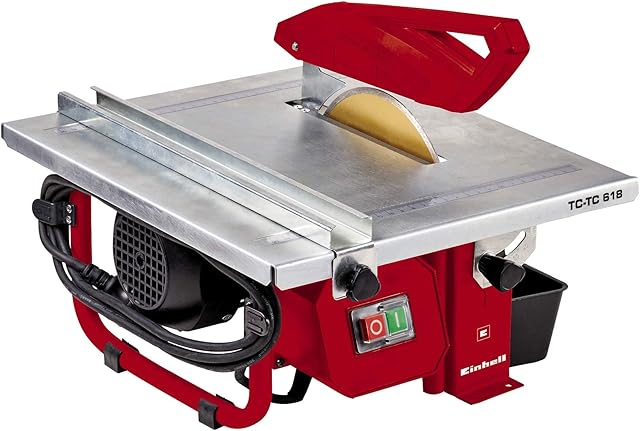
Tile Cutters
Shop Tile Cutters products from multiple suppliers.

About Tile Cutters
Tile Cutters: The Perfect Tool for Your DIY Tiling Projects
When it comes to home improvement projects, tiling is often on top of the list. Whether you're renovating your bathroom, upgrading your kitchen backsplash, or adding a touch of elegance to your living room floor, tiling can transform the look and feel of any space. However, to achieve professional-looking results, you need the right tools, and one tool that should not be overlooked is the tile cutter.
Tile cutters are essential for any DIY enthusiast or professional tiler. They allow you to cut tiles with precision and accuracy, ensuring that they fit perfectly into your desired space. In this blog post, we will explore the different types of tile cutters available, their features, and how to choose the right one for your tiling projects.
Types of Tile Cutters
There are several types of tile cutters available on the market, each designed for different tile materials and sizes. Here are the three main types of tile cutters:
1. Manual Tile Cutters: Manual tile cutters are the most common type used by DIYers and professionals alike. They consist of a scoring wheel that is used to score the tile's surface and a breaking mechanism that snaps the tile along the scored line. Manual tile cutters are versatile and can handle most types of tiles, including ceramic, porcelain, and glass. They are also portable and easy to use, making them ideal for small to medium-sized tiling projects.
2. Electric Tile Cutters: Electric tile cutters are a great choice for larger tiling projects or if you're working with harder tile materials such as stone or marble. These cutters use a motorized cutting wheel that allows you to make straight or curved cuts with ease. Electric tile cutters are more powerful than manual ones and can handle thicker tiles. However, they are bulkier and less portable, making them better suited for stationary use.
3. Wet Tile Saws: Wet tile saws are the go-to choice for professionals and those working with large quantities of tiles. They use a diamond-coated blade that spins rapidly through a water bath, providing cooling and lubrication to prevent overheating and ensure clean cuts. Wet tile saws are incredibly precise and can handle any type of tile material, including natural stone and mosaic tiles. However, they are expensive and require a dedicated workspace.
Features to Consider
When choosing a tile cutter, there are several features to consider to ensure you select the right tool for your specific needs:
1. Cutting Capacity: The cutting capacity refers to the maximum size of tiles the cutter can handle. Consider the tile sizes you will be working with and choose a cutter that can accommodate them.
2. Cutting Angle: Some tile cutters allow you to make angled cuts, which is useful when working with corners or creating intricate designs. If you plan to incorporate angled cuts in your projects, look for a cutter with this feature.
3. Cutting Depth: The cutting depth determines how thick of a tile the cutter can handle. If you're working with thicker tiles, make sure to choose a cutter with a sufficient cutting depth.
4. Portability: If you will be working on different projects or need to transport your cutter to different locations, consider its portability. Manual tile cutters are generally more portable than electric or wet tile saws.
5. Safety Features: Look for safety features such as blade guards, non-slip surfaces, and ergonomic handles to ensure safe and comfortable operation.
Choosing the Right Tile Cutter
Now that you are familiar with the different types of tile cutters and their features, it's time to choose the right one for your tiling projects. Here are a few considerations to keep in mind:
1. Project Size: Consider the size of your tiling project. If you're tackling a small to medium-sized project, a manual tile cutter should suffice. For larger projects or if you're working with harder tile materials, an electric or wet tile saw may be a better choice.
2. Tile Material: Think about the types of tiles you will be working with. If you're primarily using ceramic or porcelain tiles, a manual tile cutter will work well. However, if you're using natural stone or glass tiles, an electric or wet tile saw is recommended.
3. Budget: Tile cutters come in a range of prices, so it's essential to determine your budget beforehand. Manual tile cutters are generally more affordable, while electric and wet tile saws can be more expensive.
4. Personal Preference: Consider your experience level and personal preferences. If you're a beginner or prefer a more hands-on approach, a manual tile cutter may be the best choice. However, if you're a professional or value precision and efficiency, an electric or wet tile saw may be more suitable.
Tile cutters are an indispensable tool for any tiling project, whether you're a DIY enthusiast or a professional tiler. They allow you to achieve precise cuts, ensuring that your tiles fit perfectly into your desired space. By understanding the different types of tile cutters available and considering their features, you can choose the right tool for your specific needs. So, the next time you embark on a tiling project, make sure to have a tile cutter by your side for professional-looking results.
Explore more from Power Tools
- Welding Equipment
- Soldering & Desoldering Equipment
- Grinders
- Drills
- Rotary Tools
- Oscillating Tools
- Jointers
- Saws
- Drill Presses
- Sanders
- Impact Wrenches
- Air Compressors
- Tool Sets
- Glue Guns
- Dust Collectors & Air Cleaners
- Concrete Tools
- Engraving Tools
- Routers
- Rotary Hammers
- Brazing Equipment
- Jobside Radios
- Planers
- Sand Blasters
- Polishers
- Hot Air Guns
- Combo Kits
- Nailers & Staplers
- Others
- Augers & Posthole Diggers
- Chasers
- Stirrers
- Nibblers
- Scraper
- Shears