7% OFF
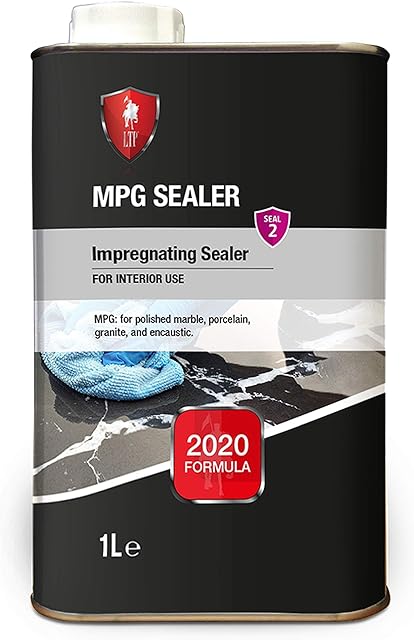
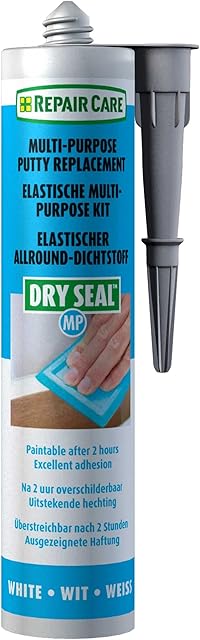
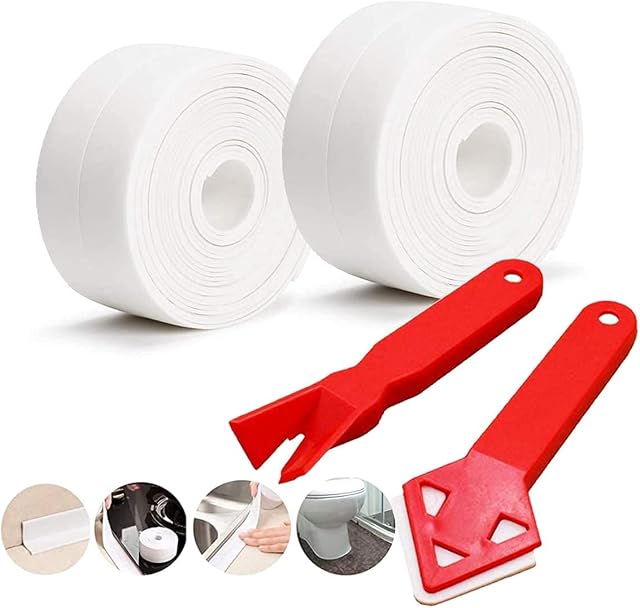
Shop Sealers products from multiple suppliers.



When it comes to home improvement projects, choosing the right sealer is crucial. A good quality sealer can make a significant difference in your project's final result and increase its lifespan significantly. In this blog post, we'll explore what makes a great sealer and how you should choose one for your next big DIY job.
What Makes an Excellent Sealer?
An excellent sealer is made up of several key ingredients that work together to create the perfect finish on wood surfaces:
1. Adhesive - The adhesive helps ensure that the sealant sticks well, even in wet conditions like rain or snow. It also provides a strong bond between the surface and the sealant for added durability.
2. Penetrant - A penetrant is an ingredient that allows moisture to penetrate into the wood grain before applying the sealer. This prevents water from evaporating quickly after application, which can cause dry spots on your project's finish.
3. Solvent - The solvent helps dissolve any remaining adhesive or other impurities in the surface of the wood. It also provides a smooth and even coating for the final result.
4. Resin - A resin is added to create an extra layer of protection against moisture, UV rays, and environmental factors that can damage your project's finish over time. This helps ensure long-lasting durability on all types of surfaces including hardwoods, softwoods, and laminated wood.
5. Viscosity Control - The sealer should have a consistent viscosity to avoid drips or runs during application. A higher viscosity is better for thicker coats that cover larger areas while lower viscosities are ideal for thin applications on smaller surfaces like trimwork.
6. pH Adjustment - Some sealers may require an adjustment of the wood's natural acid levels before applying, which can affect their performance and longevity in certain environments such as high humidity or moisture-prone climates. It is important to consult with a professional if you are unsure about this process for your specific project.
7. Compatibility With Your Project - The sealer should be compatible with any other materials used on the surface of your wood, including paint, varnishes, and stains. This ensures that there will not be any adverse reactions or discoloration caused by incompatible products in contact with each other during application.
8. Durability Testing: It is essential to test a small area of your project's finish before applying sealer on the entire surface for durability testing purposes. A professional can perform this process using specialized equipment and techniques that ensure even coverage, adhesion strength, and resistance against environmental factors such as UV rays or moisture exposure over time.
9. Maintenance: Proper maintenance is crucial to maintain a long-lasting finish on your project's wood surfaces. Regular cleaning with soap and water followed by application of the sealer can help prevent damage from dirt particles, oil stains, or other contaminants that may affect its longevity in high traffic areas like kitchens, bathrooms, and outdoor patios.
10. Safety: Always use caution when applying any product to your project's wood surfaces as it is a hazardous material if not used properly. It is essential to follow the manufacturer's instructions carefully for safety precautions such as wearing protective gear or using appropriate tools during application process.
More listings from Sealers by experienced suppliers.