Power Steering Pumps
Shop Power Steering Pumps products from multiple suppliers.
About Power Steering Pumps
When it comes to the smooth and effortless steering of your car, power steering pumps play a crucial role. These devices are responsible for providing the necessary hydraulic pressure that allows you to turn the steering wheel with ease, even when your vehicle is stationary or moving at low speeds. Without a properly functioning power steering pump, maneuvering your car can become a tiresome and challenging task.
So, what exactly is a power steering pump? Let's dive into the details. A power steering pump is a mechanical device that is typically driven by the engine via a belt or pulley system. Its primary function is to generate hydraulic pressure by circulating power steering fluid, which is then transmitted to the power steering gearbox or rack and pinion. This hydraulic pressure assists in the movement of the steering components, making it easier for you to control the direction of your vehicle.
Now that we understand the importance of power steering pumps, let's explore some key aspects related to them.
Types of Power Steering Pumps:
There are two main types of power steering pumps commonly found in vehicles: hydraulic and electric. Hydraulic power steering pumps have been the traditional choice for many years. They rely on a hydraulic system to generate pressure and assist in steering. On the other hand, electric power steering pumps, as the name suggests, utilize an electric motor to provide the necessary assistance. Electric power steering pumps are becoming increasingly popular due to their improved efficiency and reduced energy consumption.
Signs of a Failing Power Steering Pump:
Just like any other mechanical component, power steering pumps can develop issues over time. It's important to be aware of the signs that indicate a failing power steering pump, as addressing the problem early on can save you from costly repairs down the line. Here are a few common signs to watch out for:
1. Difficulty in Steering: If you notice that it's becoming harder to turn the steering wheel, especially at low speeds or when the vehicle is stationary, it could be a sign of a failing power steering pump.
2. Whining or Squealing Noises: Unusual noises, such as whining or squealing, during steering maneuvers can indicate a problem with the power steering pump. These noises may be more noticeable when the engine is running at low speeds.
3. Leaking Fluid: Power steering pumps rely on a special fluid called power steering fluid to operate effectively. If you notice any fluid leaks under your vehicle or around the power steering pump, it could be a sign of a leaky pump or a damaged hose.
4. Vibrations in the Steering Wheel: Vibrations or excessive play in the steering wheel can be indicative of a failing power steering pump. This may occur due to a lack of hydraulic pressure or worn-out components within the pump.
Maintaining Your Power Steering Pump:
To ensure the longevity and optimal performance of your power steering pump, regular maintenance is essential. Here are a few tips to help you maintain your power steering pump:
1. Check Fluid Levels: Regularly check the power steering fluid levels and top them up if necessary. It's important to use the recommended type of power steering fluid for your specific vehicle.
2. Flush the System: Over time, contaminants can accumulate in the power steering fluid, affecting the pump's performance. Periodically flushing the power steering system and replacing the fluid can help prevent damage to the pump and other steering components.
3. Inspect for Leaks: Routinely inspect the power steering pump, hoses, and connections for any signs of leakage. Addressing leaks promptly can prevent further damage and ensure proper functioning of the pump.
4. Follow Manufacturer Guidelines: Always refer to your vehicle's owner manual for specific guidelines and recommendations regarding power steering pump maintenance. Following the manufacturer's instructions will help you keep your power steering pump in optimal condition.
Replacing a Power Steering Pump:
If your power steering pump is beyond repair or has completely failed, it may need to be replaced. While some DIY enthusiasts may attempt to replace the pump themselves, it's often best to leave this task to a professional mechanic. Power steering pump replacement can be a complex procedure, requiring specialized tools and knowledge of the specific vehicle's steering system.
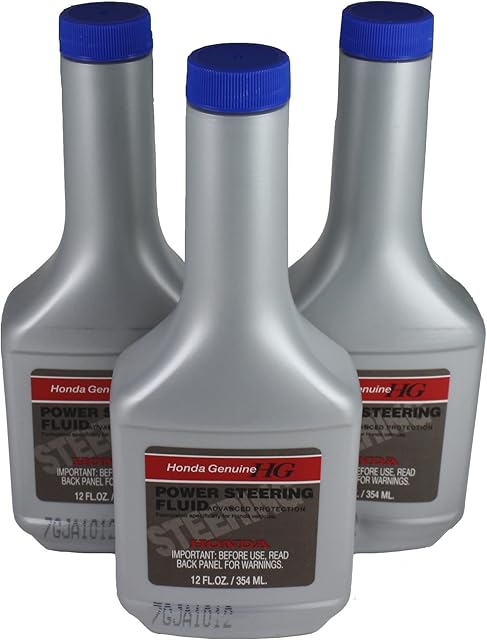
When replacing a power steering pump, it's essential to choose a high-quality replacement part. Look for reputable brands and ensure that the replacement pump is compatible with your vehicle's make and model. For example, the Honda 08206-9002PE Power Steering Fluid Pack of 3 is a reliable option for Honda vehicles.
In conclusion, power steering pumps are fundamental components of a car's steering system. Their proper functioning ensures smooth and effortless steering, enhancing your driving experience. Regular maintenance, prompt identification of issues, and timely repairs or replacements are key to keeping your power steering pump in optimal condition. By taking care of this vital component, you can enjoy a safer and more enjoyable driving experience.