Shock Absorbers & Accessories
Shop Shock Absorbers & Accessories products from multiple suppliers.




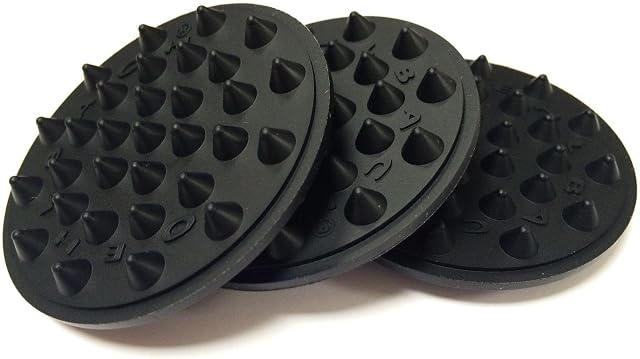
About Shock Absorbers & Accessories
Shock absorbers are an essential component of any vehicle's suspension system. They play a crucial role in reducing the impact of vibrations and bumps on the road, providing a smoother ride for passengers and improving handling. In this blog post, we will explore the different types of shock absorbers available in the market today, their features, and how to choose the right one for your vehicle.
Types of Shock Absorbers:
There are several types of shock absorbers available in the market, each designed to suit specific needs and preferences. The most common types include:
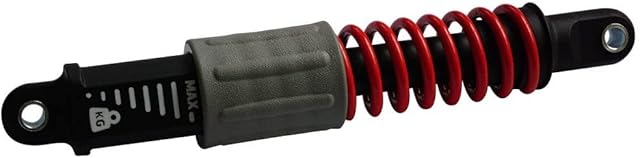
1. Coil Springs: These are the most traditional type of shock absorber, using a coiled spring inside a cylindrical body to absorb vibrations. They are relatively affordable but may not provide as much damping as other types.
2. Gas-Filled Shock Absorbers: These use a gas-filled chamber inside the shock absorber to provide more damping than coil springs. The gas can be adjusted to suit different driving conditions, providing better control over handling and ride quality.
3. Oil-Filled Shock Absorbers: Similar to gas-filled shocks, these use oil instead of gas for damping. They provide a smoother ride but may require more maintenance than other types.
4. Coated Shock Absorbers: These have a layer of material coating the inside of the shock absorber, providing additional friction to absorb vibrations and improve handling.
5. Adjustable Shock Absorbers: As the name suggests, these can be adjusted to suit different driving conditions, allowing for customized damping and control over ride quality.
Choosing the Right Shock Absorber:
When choosing a shock absorber, there are several factors to consider, including your vehicle's make, model, and year, as well as your personal preferences regarding ride quality and handling. Here are some tips to help you choose the right one for your needs:
1. Consult Your Vehicle's Manual: Check your owner's manual or consult with a mechanic to determine what type of shock absorber is recommended for your vehicle.
2. Consider Your Driving Style: If you drive aggressively or in rough terrain, you may want to opt for a more heavy-duty shock absorber that can handle the extra stress. On the other hand, if you mostly drive on smooth roads, a lighterweight option may be sufficient.
3. Check the Quality of Your Vehicle's Suspension: If your vehicle has a weak or worn-out suspension system, it may benefit from a higher quality shock absorber that can provide better support and stability.
4. Consider Additional Features: Some shock absorbers come with additional features such as adjustable damping or anti-roll bars. These can be useful for improving handling and ride quality but may also increase the cost of the product.
Shock absorbers are a crucial component of any vehicle's suspension system, providing a smoother ride and better handling on the road. With so many types available in the market today, it can be overwhelming to choose the right one for your needs. By considering your vehicle's make, model, and year, as well as your personal preferences regarding ride quality and handling, you can find the perfect shock absorber for your vehicle. Remember to consult with a mechanic or refer to your owner's manual before making any changes to your suspension system.
More from Shock Absorbers & Accessories
More listings from Shock Absorbers & Accessories by experienced suppliers.