8% OFF
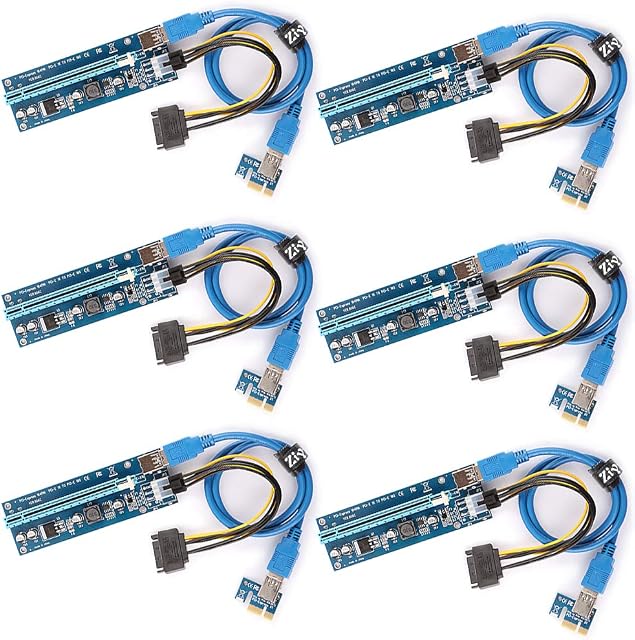
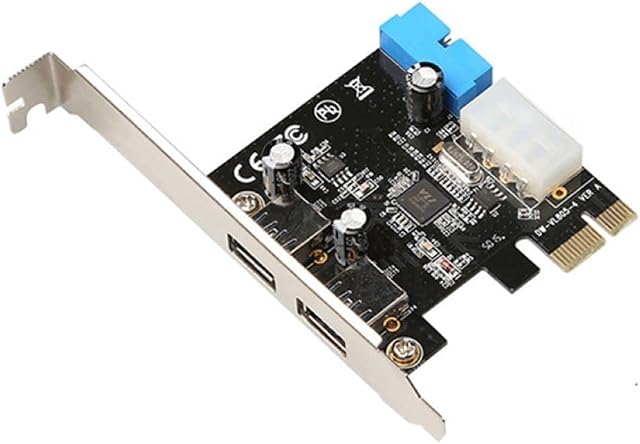
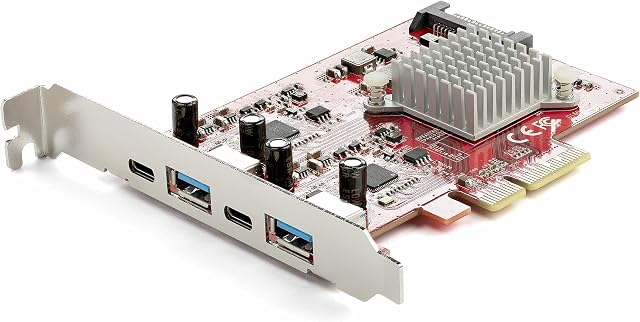
Shop I/O Port Cards products from multiple suppliers.


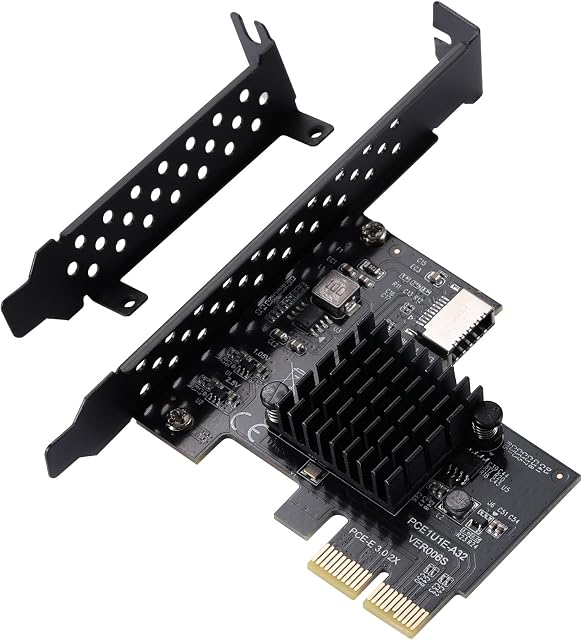
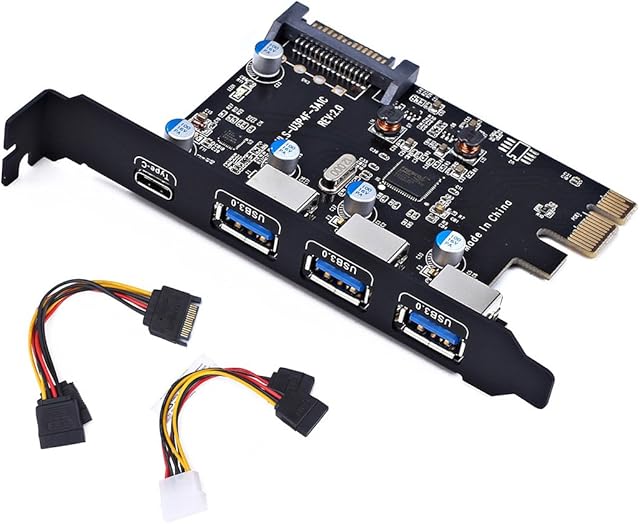


When it comes to building a computer system, choosing an appropriate I/O card is crucial. These cards are responsible for connecting your hardware components and ensuring that they communicate with each other seamlessly. In this blog post, we will discuss some of the factors you should consider when selecting an I/O port card for your computer system.
1. Compatibility: The first thing to check before purchasing any I/O card is its compatibility with your motherboard's specifications. Make sure that it supports all necessary features and interfaces required by your hardware components, such as USB ports or SATA connections. You can find this information on the manufacturer's website or in their documentation.
2. Speed: The speed of an I/O port card determines how fast data is transferred between different devices connected to a computer system. Look for cards that support high-speed interfaces like PCIe Gen3, which offer faster transfer speeds compared to older versions such as PCIe Gen1 and 2.0. You can also consider the number of lanes supported by your motherboard's I/O ports when selecting an appropriate card.
3. Form Factor: The form factor refers to how a device is packaged inside its enclosure. Different types of cards have different dimensions, which affect their compatibility with certain components or systems. For example, if you are using a laptop that has limited space for expansion cards, look for I/O port cards in compact formats like Mini-PCIe (MCPE) and CompactPCI (cPCI).
4. Power Consumption: The power consumption of an I/O card is another important factor to consider when selecting one for your computer system. Look for low-power options that consume less energy, especially if you plan on using a laptop with limited battery life or in areas where electricity costs are high. You can also choose cards based on their maximum current draw and voltage requirements according to the specifications of your motherboard's power supply unit (PSU).
5. Cost: Finally, consider cost when selecting an I/O port card for your computer system. While some higher-end options may offer better performance or features than lower-cost alternatives, you should also keep in mind that they can be more expensive to purchase and maintain over time compared to budget-friendly cards with similar specifications.
Conclusion: Choosing the right I/O port card is crucial for ensuring your computer system runs smoothly and efficiently. By considering factors such as compatibility, speed, form factor, power consumption, cost, and features when selecting an appropriate card, you can make a well-informed decision that will help ensure optimal performance in your hardware setup.
More listings from I/O Port Cards by experienced suppliers.