
11% OFF
Shop Tequila products from multiple suppliers.



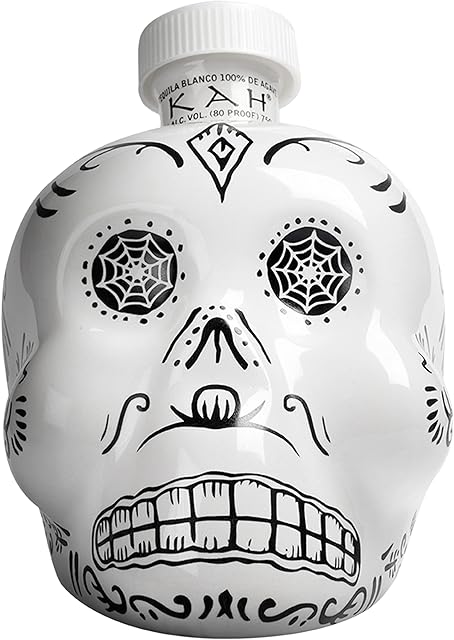

Tequila: A Journey into Mexico's Iconic Spirit
When it comes to iconic spirits, few can match the allure and mystique of tequila. Originating from Mexico, tequila has gained worldwide recognition for its unique flavor profile and cultural significance. Whether enjoyed as a shot, mixed into a cocktail, or sipped neat, tequila has become a staple in bars and households around the globe. In this blog post, we will explore the history, production process, and different types of tequila, giving you a comprehensive understanding of this beloved spirit.
History of Tequila
To truly appreciate tequila, it's important to understand its historical roots. The drink can be traced back to the ancient Aztecs, who fermented the juice of the agave plant to produce a beverage known as pulque. However, it wasn't until the Spanish arrived in Mexico in the 16th century that the distillation process was introduced, giving birth to what we now know as tequila.
Tequila gets its name from the town of Tequila, located in the state of Jalisco, Mexico. The region's volcanic soil and unique climate create the perfect conditions for growing the blue agave plant, the sole ingredient used in tequila production. In fact, tequila can only be produced in specific regions of Mexico, making it a protected designation of origin spirit.
Production Process
The production of tequila is a meticulous and time-consuming process. It all starts with the harvest of the blue agave plant, which takes around 8 to 10 years to reach maturity. The leaves of the plant are skillfully removed, revealing the heart, or piña, which resembles a large pineapple. These piñas are then cooked in traditional brick ovens or modern autoclaves to convert the starches into fermentable sugars.
Once cooked, the piñas are crushed to extract the juice, which is then fermented using yeast. The fermentation process can take anywhere from a few days to a few weeks, depending on the desired flavor profile. The resulting liquid, known as the must, is then distilled at least twice to reach the desired alcohol content.
Types of Tequila
Tequila is often categorized into different types based on its aging process and the percentage of blue agave used. The main categories are blanco (silver), reposado (rested), and añejo (aged).
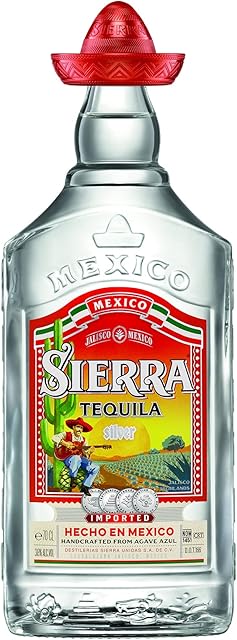
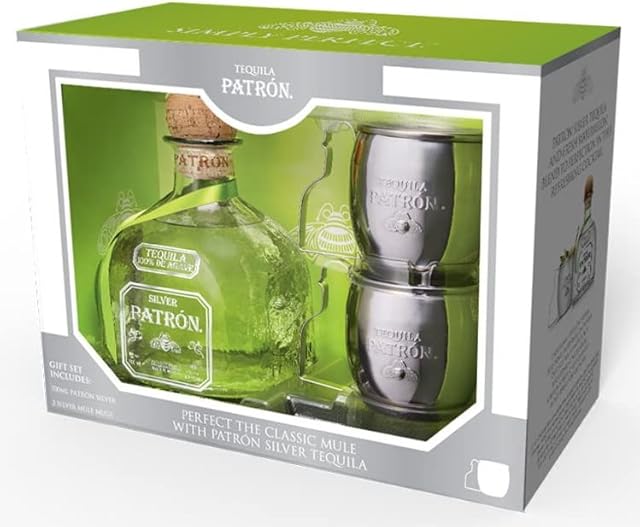
Blanco tequila is typically unaged or aged for a short period, resulting in a clear and vibrant spirit. It is known for its crisp and fresh flavors, with notes of citrus and pepper. Blanco tequila is often used in cocktails, such as the classic Margarita, as its clean taste allows other ingredients to shine.
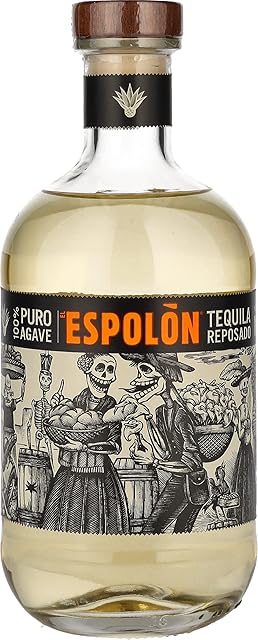
Reposado tequila is aged in oak barrels for a minimum of two months but less than a year. This aging process imparts a golden hue and a smoother, more complex flavor profile. Reposado tequila often exhibits notes of vanilla, caramel, and oak, making it a popular choice for sipping.
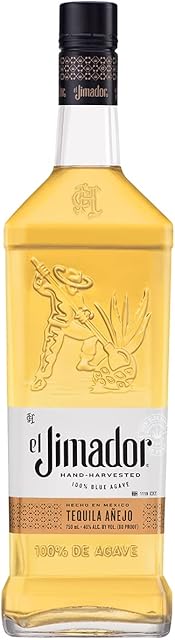
Añejo tequila undergoes extensive aging, spending at least one year in oak barrels. The prolonged aging gives the spirit a deep amber color and a rich, velvety texture. Añejo tequila boasts complex flavors of chocolate, dried fruit, and spice, making it a favorite among tequila connoisseurs.
In recent years, the tequila market has expanded to include ultra-premium and super-premium offerings. These tequilas, often labeled as "super premium" or "extra añejo," are aged for a minimum of three years and can fetch a hefty price tag. These spirits are crafted with great care and attention to detail, resulting in a truly exceptional drinking experience.
Choosing the Right Tequila
With so many tequila options available, it can be overwhelming to choose the right one. The key is to consider your personal preferences and the occasion. If you're looking for a tequila to mix into cocktails, a quality blanco or reposado tequila will do the trick. For sipping and special occasions, investing in an añejo or ultra-premium tequila will elevate the experience.
It's also worth considering the brand and production methods. Some tequila producers are known for their commitment to sustainable practices, using organic agave and traditional production methods. Researching the brand's reputation and reading reviews can help you make an informed decision.
Tequila is more than just a spirit; it's a cultural emblem that represents the rich history and traditions of Mexico. From its humble origins to its modern-day popularity, tequila has captivated the hearts and palates of people worldwide. Whether you're a tequila enthusiast or a curious beginner, exploring the different types and brands of tequila can be a fascinating journey. So raise your glass, savor the flavors, and toast to the spirit of Mexico. Salud!
More listings from Tequila by experienced suppliers.


